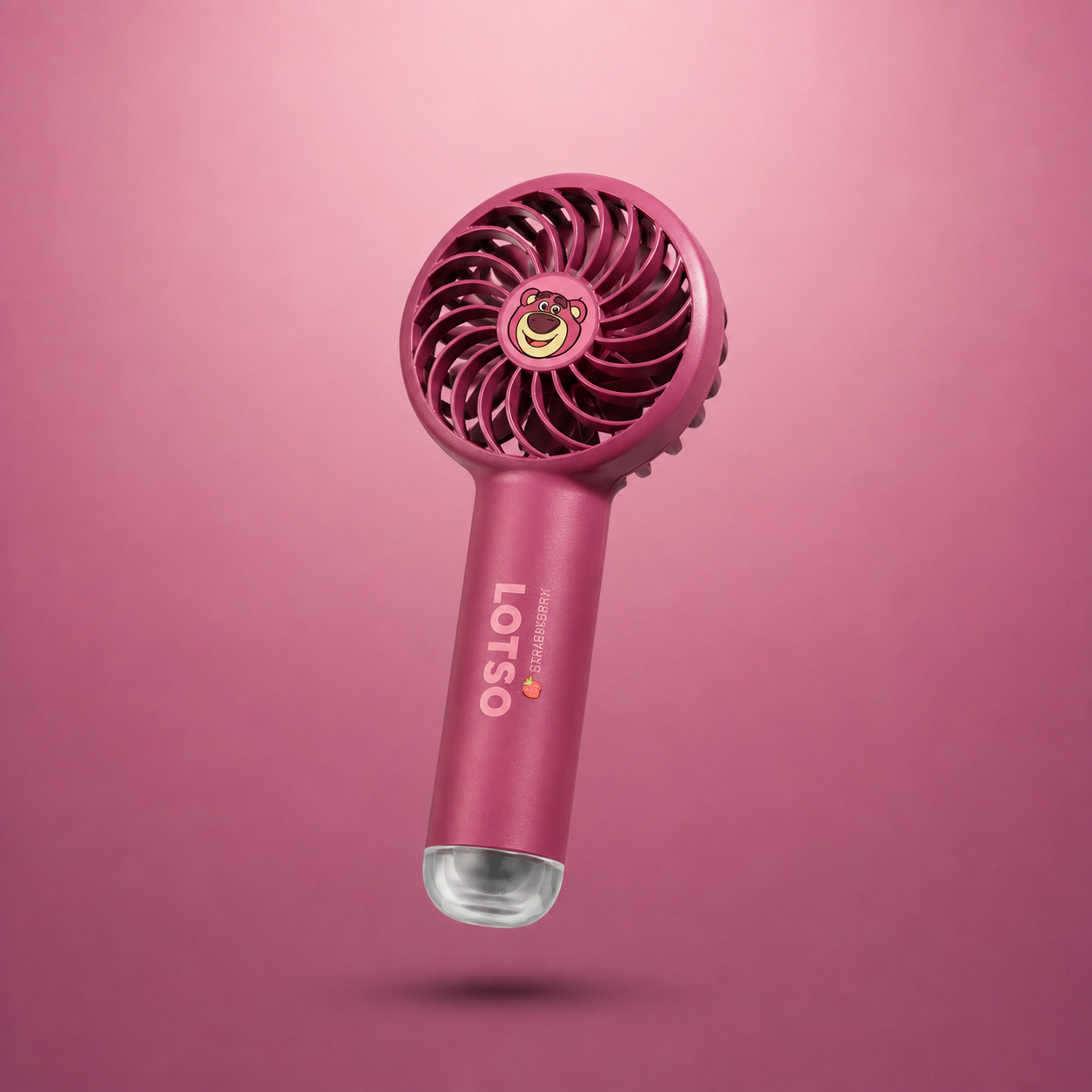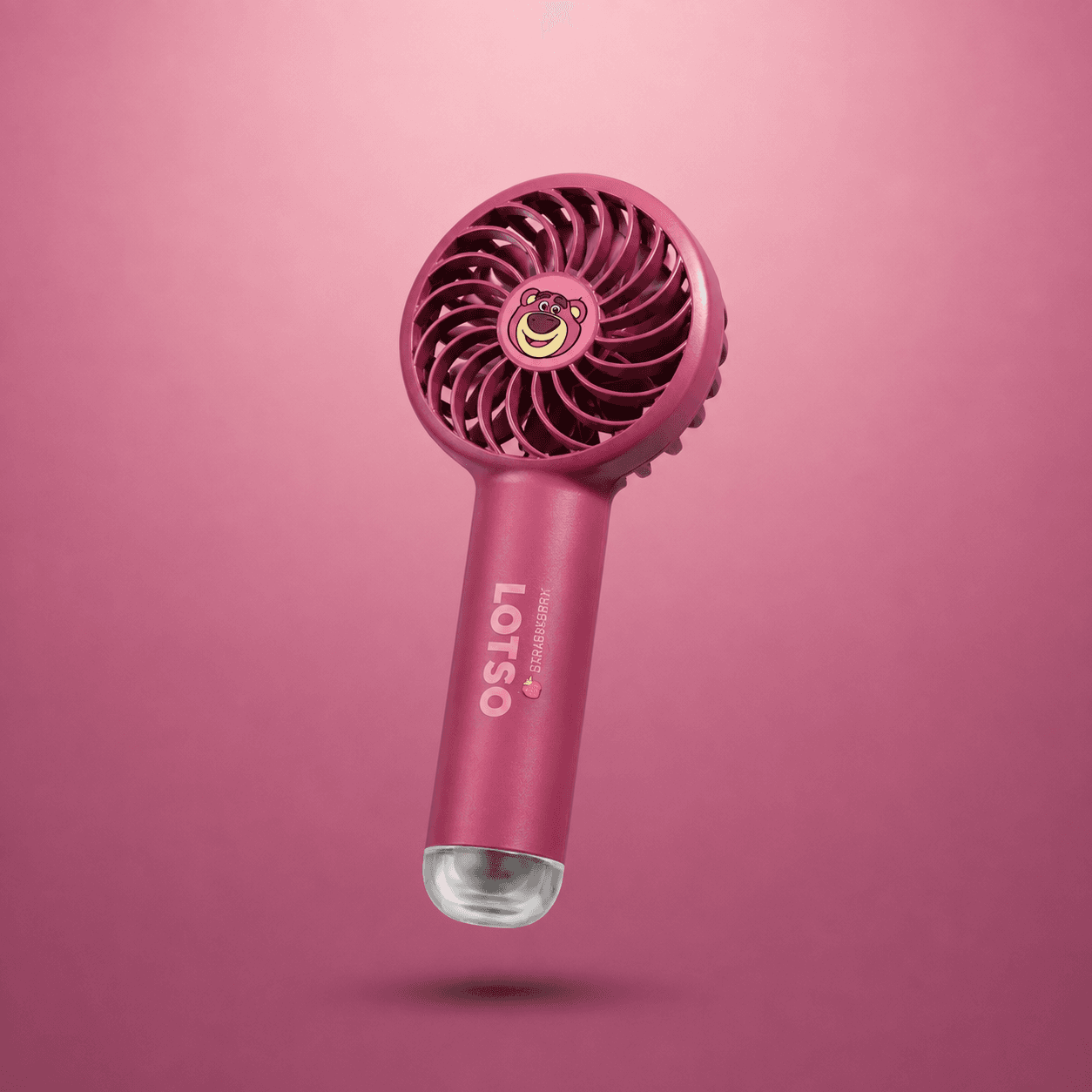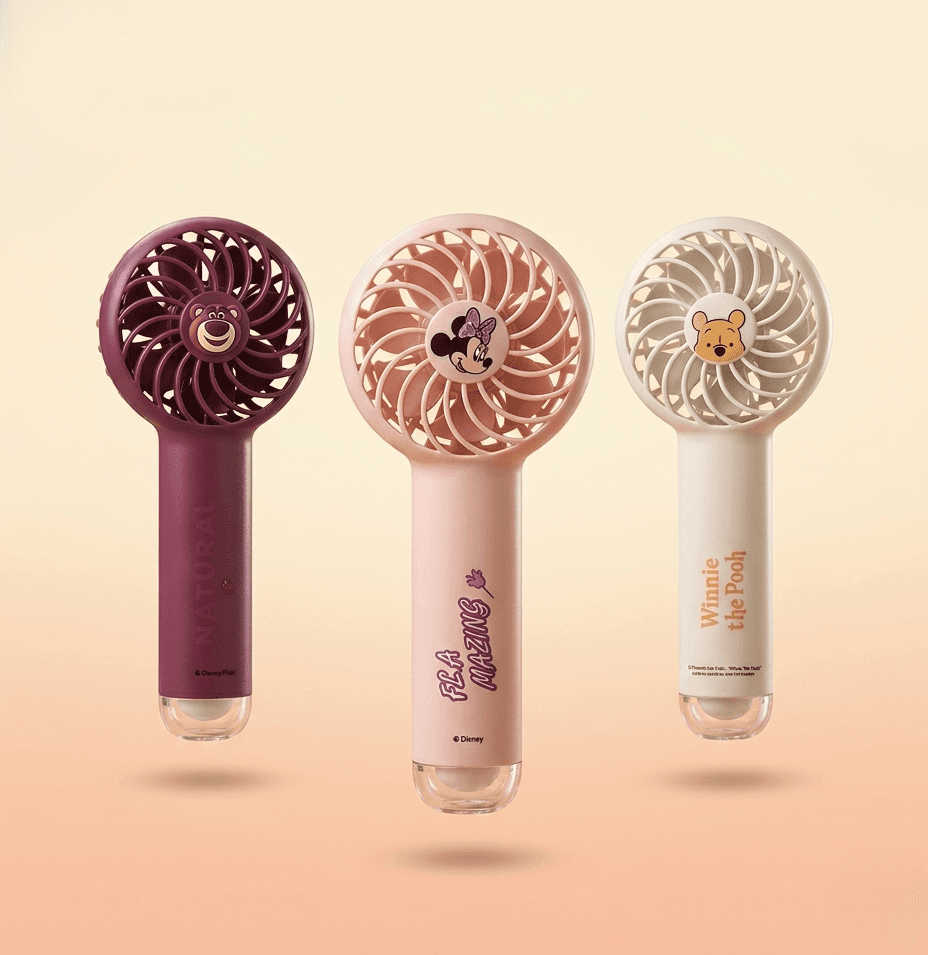
A portable fan does not cool the air. It cools you. That is the whole trick, and once you understand how portable fans work you stop expecting an AC and start using the fan the way it actually does its job. The short answer: moving air strips away the thin layer of hot, humid air sitting on your skin, speeds up evaporation of your sweat, and your body reads that as cooler even when the thermometer has not moved a single degree. In Dhaka's September humidity, that difference is real but limited, and knowing the limit is what stops you from wasting money on the wrong fan.
Why a fan feels cool when the air itself is already warm
Your body is constantly losing heat through your skin, mostly by sweating. Sweat only cools you when it evaporates, and evaporation needs two things: air movement and room in the air for more water vapour.
Advertisement
When you sit still, a microscopically thin layer of air right against your skin gets saturated with moisture and warmed by your body. That layer acts like a blanket. A fan breaks it up and replaces it with drier air, so the next bit of sweat can evaporate. This is why a fan feels good even when it is blowing 34°C air at you. The air is not cool. It is just not stuck to you anymore.
There is a second effect people miss. Moving air increases the rate of convective heat loss from your skin, which matters more the more your skin temperature sits above the air temperature. In a 30°C room with your skin at around 33 to 35°C, you are still warmer than the air, so airflow genuinely pulls heat off you. In a 40°C room, that reverses and the fan starts pushing heat into you. That is the honest ceiling on any fan.
Why humidity is the real villain in Bangladesh

Here is the number that matters: relative humidity. At 90% humidity, the air is already nearly full of water vapour. Your sweat has nowhere to go. It pools on your skin instead of evaporating, which is why a 32°C Dhaka afternoon feels worse than a 38°C dry day in Rajasthan.
A fan in that condition still helps, but through airflow and convection more than evaporation. You get the comfort of moving air on your face and the removal of that saturated skin layer, but you do not get the big evaporative chill you would feel in dry heat. Anyone who has used a fan in Chattogram in monsoon versus in winter knows this in their body already.
This is also why the old trick of wetting a cloth and holding it in front of a fan works so well here. The fan pushes air through the damp cloth, the water evaporates into that airstream, and the air arriving at your face is genuinely a few degrees cooler. It is a crude evaporative cooler. It stops working once the cloth dries out, and in high humidity it works less well than in dry heat, but it is free and it is noticeable.
How much airflow do you actually need?

Airflow is measured in cubic feet per minute, or CFM, though almost no local seller will tell you this number. What you can judge instead is blade size, blade pitch, and motor speed. A bigger blade moving slowly pushes more air than a tiny blade screaming at high RPM, and it does it more quietly.
For personal cooling, you do not need to move a room's worth of air. You need a directed stream hitting your face, neck, and wrists. Those are the spots with high blood flow close to the surface, so cooling them cools the blood returning to your core. A fan that focuses a narrow stream beats one that spreads a weak breeze over your whole body.
| Fan type | Realistic airflow feel | Battery reality | Best for |
|---|---|---|---|
| Handheld mini fan, 2000mAh | Narrow stream, face only | Roughly 3 to 5 hours on low, 1 to 2 on high | Commutes, rickshaw rides, queues |
| Neckband fan | Two weak streams at your collarbones | Often 4 to 8 hours, lower draw | Long days out, hands-free work |
| USB desk fan, 5 to 7 inch blade | Broad, genuinely room-moving | Mains powered, no battery worry | Desk, study table, load shedding at home |
| Rechargeable table fan, 12 inch | Whole-room circulation | 4 to 10 hours depending on speed | Bedroom during load shedding |
Notice the pattern. The smaller and more portable the fan, the more you are trading airflow for battery and convenience. There is no handheld fan that will cool a whole room, and any listing that implies otherwise is lying to you.
Why your ৳500 fan dies in two hours
Battery capacity is the honest spec, and it is the one sellers hide. A 1200mAh cell in a cheap handheld fan running at full speed can be flat in under 90 minutes. A 2000mAh fan on low might stretch to four or five hours. A 4000mAh unit can genuinely last a full workday on low, but it will be heavier and cost more.
The tradeoff is always the same triangle: airflow, battery life, weight. Pick two. If you want strong airflow and long battery, the fan gets heavier and you will not want it in your pocket. If you want it light, you accept weaker airflow or shorter runtime.
Two things shorten battery life faster than the spec sheet suggests. Running on high constantly drains a cell much faster than the linear math implies, and heat degrades lithium cells, so a fan left in a parked car in April will lose capacity permanently. Charge it before storage, not after.
Does a fan actually lower the temperature?
No. A fan moves air. It does not refrigerate it. The only exceptions are evaporative coolers and fans with a water misting function, which genuinely drop the air temperature by a few degrees through evaporation, at the cost of adding humidity to the room and needing refills.
What a fan does is lower your skin temperature and your perception of heat. That is not a placebo. It is measurable in how much you sweat and how fast your heart rate settles when you stop moving. But it is also why a fan in a sealed, unventilated room eventually just moves hot, humid air around. Open a window or door so the fan has somewhere to push that air.
Positioning matters more than people think. Point the fan at yourself, not into the middle of the room. If you can, set it near a window so it pulls cooler outside air in, or place it so it pushes hot air out. A fan aimed at a wall is doing nothing for you.
What to look for before you buy
Skip the marketing and check these in order.
- Battery capacity in mAh, written on the box. Under 1500mAh means short runtime, full stop.
- Blade size and whether the guard is removable for cleaning. Dust-caked blades move noticeably less air.
- Charging port. USB-C charges faster and the cable is easier to find than micro-USB in 2025.
- Noise at low speed. A fan you cannot stand next to on a call is useless at a desk.
- Build quality at the hinge or neck. This is the part that snaps first on cheap handhelds.
For most people in Bangladesh, a mid-range handheld with a 2000 to 3000mAh cell and a USB-C port covers commutes and load shedding without much fuss. DearBuys' mini fans sit in that practical range, and the ones built for humid conditions are the ones worth carrying, because they prioritise a focused airstream over gimmicks like coloured lights that just drain the battery.
If your main problem is a hot bedroom during load shedding, a handheld fan is the wrong purchase. Buy a 12-inch rechargeable table fan instead. It moves far more air, runs off its own battery, and one unit can cover a small room. The handheld is for when you are moving. The table fan is for when you are not.
The practical takeaway
Buy for your actual use, not for the fantasy. If you commute, queue, or sit in traffic, a 2000mAh handheld with a narrow focused stream and USB-C will earn its place in your bag. If you are cooling a room at home during load shedding, spend the money on a rechargeable table fan and accept that it is heavier and needs a flat surface. And in high humidity, remember the wet-cloth trick: it is the cheapest way to turn moving air into genuinely cooler air, and it costs you nothing but a piece of cloth and a bit of water.