If you're shopping for tech gifts for teens, the safest answer is this: buy for the phone they already own, not for a new gadget they have to learn. The gifts that get used daily are the ones that solve a small, specific annoyance, like a dead battery at 4pm or earbuds that fall out on the bus. The ones that end up in a drawer are almost always the same three things: subscriptions they didn't ask for, devices that need a second device to work, and anything that looks like a gift for a younger kid.
That sounds obvious. It isn't, which is why so many gift guides just list popular products and let you guess. This one is built around what teens actually do with tech: scroll, listen, photograph, and carry everything in a bag that's already too full. Below are the categories that hold up, the specs that matter, and the traps that don't show up in the product photos.
What tech gifts for teens actually get used every day?
Advertisement
The honest answer is that the daily-use list is short. In order of how often I've seen them actually leave the house: a phone, wireless earbuds, a portable charger, and a phone grip or stand. Everything else competes for space in a bag that already holds a water bottle and a laptop.
That short list matters because it tells you where to spend. A $30 portable charger that gets used five days a week beats a $120 smart speaker that gets used twice and then becomes furniture. If you want a rule of thumb, ask whether the gift replaces something they already carry. If yes, it's probably a hit. If it adds a new item to the bag, it needs to be small enough to earn its spot.
A few categories that reliably clear that bar:
- Power banks in the 10,000mAh range. Enough for roughly two full phone charges, light enough to forget about. Anything above 20,000mAh is a brick they'll leave at home.
- Earbuds with a case that actually clips or pockets flat. The spec that matters is not driver size, it's whether the case fits a jeans pocket.
- A phone grip or stand. Cheap, unglamorous, and used constantly for video and photos.
- A compact camera or a lens clip if they're genuinely into photography. Only if they've already shown the interest. Otherwise it's a gift for your idea of them.
Style, portability, and social media appeal: how much do they matter?
More than the spec sheet, honestly. A teen will choose the earbuds that match their case over the ones with marginally better sound. That's not shallow, it's how the object gets used. If it doesn't look right, it doesn't come out of the bag, and if it doesn't come out of the bag, it doesn't matter how good the battery is.
So when you compare two similar products, weight the decision like this:
- Portability first. A device that lives in a pocket gets used ten times more than one that lives in a backpack.
- Look second, but don't dismiss it. Color and finish are legitimate features for a gift.
- Social appeal third, and be careful here. "Instagram-worthy" is real, but the bar is lower than marketing suggests. A cute object that works in a photo is enough. A gadget that exists mainly to be filmed gets old in a week.
That last point is where a lot of gift guides go wrong. They sell the unboxing moment, not the third week of ownership. Ask yourself what the gift looks like on day 21, not day one.
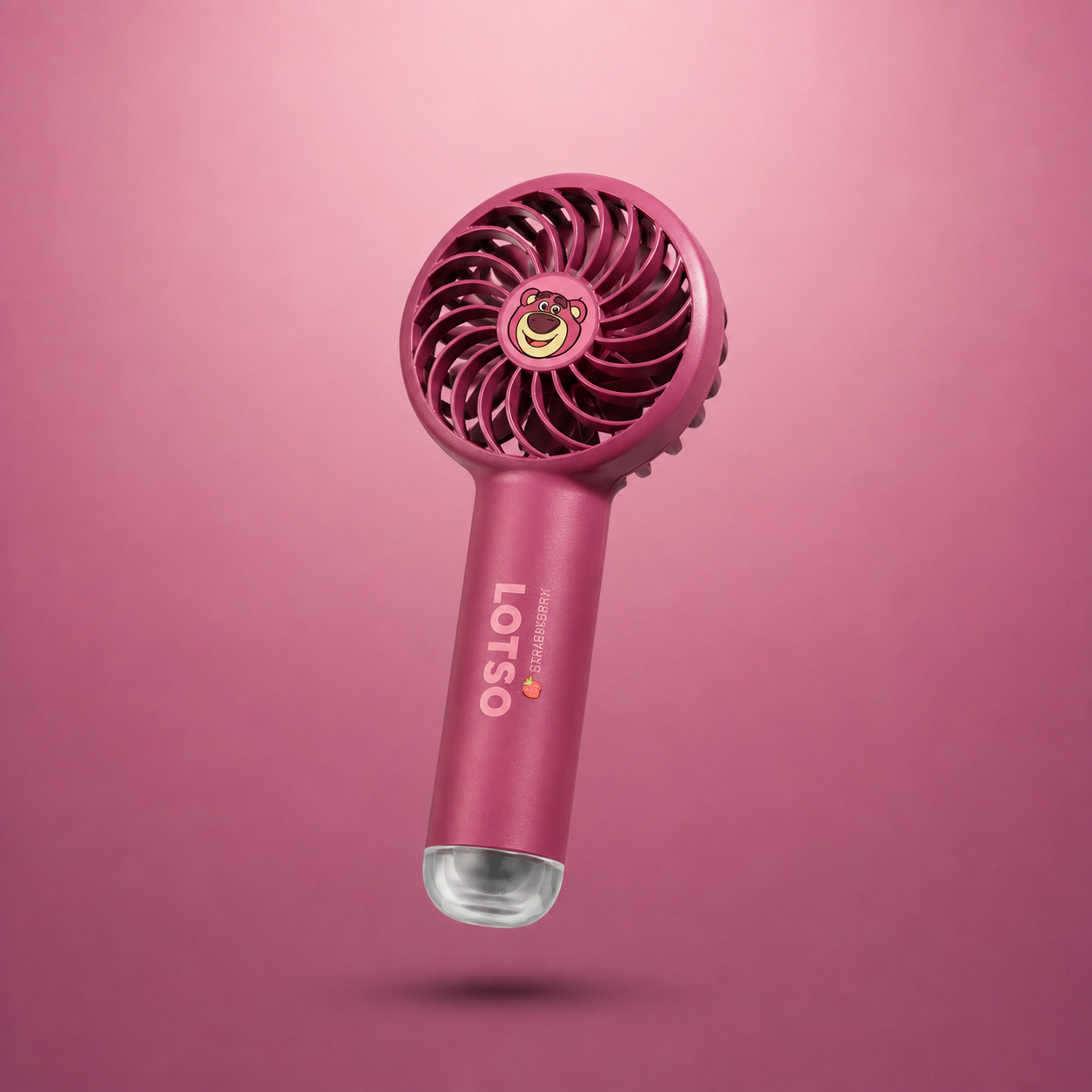
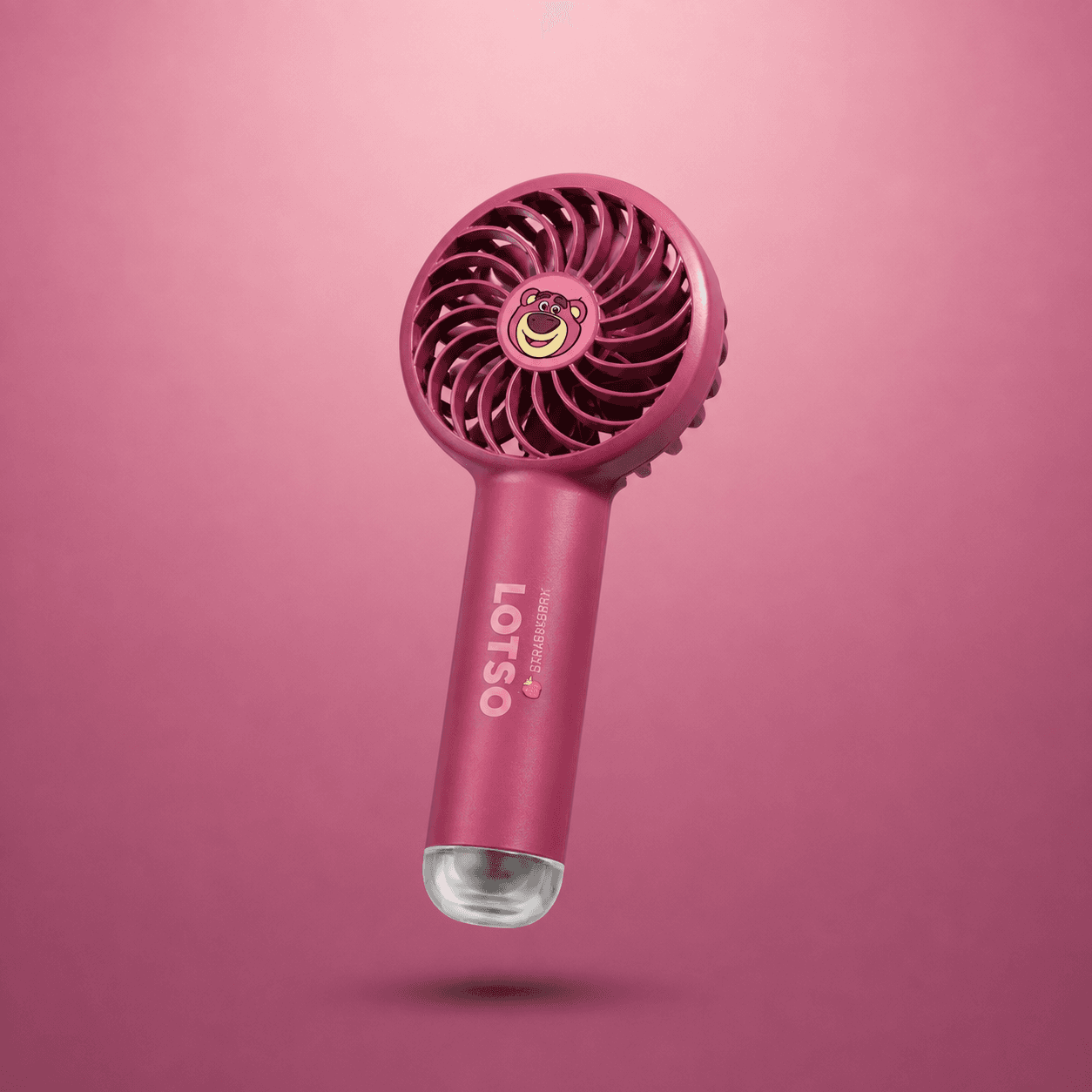
One small example of a gift that gets this balance right: the Disney Mini Handheld Fans are the kind of thing that fits in a bag, costs very little, and photographs well because the character design does the work. They're not a serious cooling device. They're a fun, affordable extra that a teen will actually pull out on a hot day or at a theme park, and that's the correct expectation to set. Buy it as a stocking filler or a small add-on, not as the main gift.
Which specs actually matter when you're comparing two options?

This is where you can save yourself a lot of money. Most tech gift specs are noise. A handful are not. Here's the short version for the categories that come up most.
| Category | Spec that matters | Spec that's mostly noise |
|---|---|---|
| Power bank | Capacity in mAh, weight, USB-C in/out | "Fast charge" claims without wattage |
| Wireless earbuds | Fit, case size, battery per charge | Driver size, codec names |
| Handheld fan | Battery life on low, blade guard | Number of speed settings |
| Phone grip/stand | Adhesive quality, thickness | "Military grade" anything |
| Compact camera | Sensor size, lens, ease of transfer | Megapixel count |
A few numbers to anchor you. A 10,000mAh power bank gives most phones roughly two charges, sometimes a little less once you account for conversion loss. A small handheld fan with a 2000mAh battery runs about four hours on low, which is one afternoon out, not a full day. Earbuds in the $30 to $60 range typically give four to six hours per charge with another two or three charges in the case. None of these are huge numbers, and that's fine. The question is whether the number matches how the person will use it.
One more spec that never appears on the box: whether it needs an app. Anything that requires a download and an account before it works is a gift with homework attached. Teens will do it once, then forget the login. Prefer devices that work out of the box.
What should you avoid buying a teenager?
A short list, drawn from the things that get quietly returned or never opened.
- Subscriptions as the main gift. A year of a streaming service is a bill, not a present. It also puts the cost on them next year.
- Anything that needs a second device to be useful. A smart scale that only works with a phone, a tracker that needs a subscription, a camera that only uploads through a laptop.
- Kids' versions of adult products. A teen knows the difference between a kids' tablet and a real one, and the gift reads as a judgment about their age.
- Fitness trackers bought as a hint. Unless they asked, this lands badly. Buy the thing they want, not the thing you want them to want.
- Cheap earbuds with no fit options. The number one reason earbuds get abandoned is that they fall out. If there are no alternate tips in the box, skip it.
- Novelty gadgets with one trick. A mini drone, a robot arm, a light-up anything. Fun for a weekend, then it's clutter.
Notice that none of these are about price. A $15 gift that gets used beats a $150 gift that sits in a drawer, and teens are better than adults at telling the difference.
How do you pick a gift without asking and ruining the surprise?
You can get most of the way there by looking at what they already carry. The case on their phone, the earbuds in their bag, the charger they borrow, all of it tells you the category. If they're always asking to borrow a charger, buy a power bank. If their earbuds are held together with tape, buy earbuds. If they're always taking photos of their friends, buy something that makes that easier.
A few practical moves that don't spoil anything:
- Check the phone model. Cases, grips, and chargers are model-specific. Getting this wrong is the most common gift failure and it's completely avoidable.
- Ask a sibling or a friend, not the teen. One question to the right person gets you further than a month of guessing.
- Buy from somewhere with a real return window. Teens change their minds, and a gift they can swap is a gift that stays useful. Keep the receipt.
- Set a budget and stick to it. The difference between a $40 gift and a $90 gift is usually features they won't notice, not quality they will.
If you're still stuck, go back to the short list at the top. Power, sound, photos, and something to hold the phone. That covers most teens and most budgets.
The practical takeaway
Buy one thing that replaces something they already carry, check the phone model before you check out, and keep the receipt. If you want a small add-on to round out a gift, pick something portable and fun rather than something expensive and serious. The best test is simple: picture them using it on a normal Tuesday, not on their birthday. If you can't picture it, it's probably the wrong gift.