You live in Dhaka, the AC is either too expensive to run all day or your landlord won't let you install one. So what's the actual answer to surviving a 35°C day with 80% humidity, when the power cuts at 2 PM and the fan turns into a hair dryer? To survive Dhaka summer without AC, you need a layered system: you cool the person, not the room, using fans, hydration, and timing. This guide shows you exactly how, with tech gadgets as supplements, not saviors.
Why your ceiling fan feels useless in a Dhaka summer
A ceiling fan only works if it can evaporate sweat from your skin. In Dhaka's monsoon humidity, sweat doesn't evaporate; it just sits on you, and the fan blows hot, wet air around. That's why you feel sticky even with the fan on full blast.
Advertisement
The fix is to lower the humidity around you or increase airflow directly on your skin. A pedestal fan on the floor, aimed at your torso, works better than a ceiling fan because it moves air across a larger surface area. But even that fails if the room is above 32°C. That's when you need to change your approach entirely.
What is the best fan setup for a Dhaka bedroom at night?
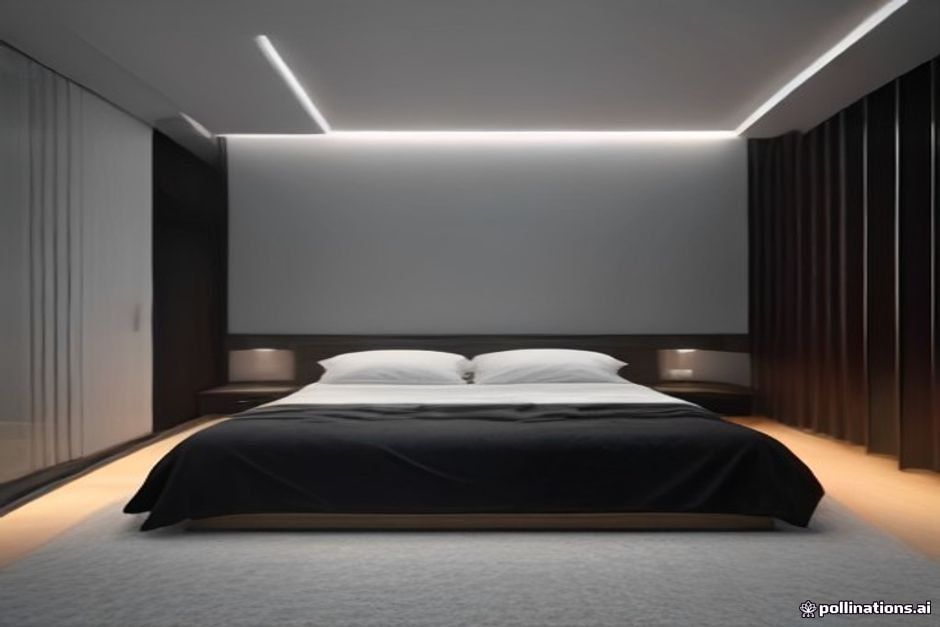
Nighttime is when you actually get a chance to sleep, but the heat and humidity make it miserable. The trick is to create a cross-breeze. Open two windows on opposite sides of the room, even if it's just a crack. Then place a box fan in one window facing inward, and another facing outward on the other side. This pulls cooler night air in and pushes hot air out. You can drop the room temperature by 2-3°C this way, enough to make a difference.
If you don't have two windows, use a single window with a fan blowing inward. Point a second fan at yourself, but not directly at your face; aim it at your chest or legs. Your body's core temperature drops faster when air moves over your limbs.
For the actual fan, a pedestal fan with a 16-inch blade moves more air than a table fan. But a table fan placed on a stool at bed level works surprisingly well if you sleep on a low mattress. The key is to have the fan at the same height as your body, not up on a dresser.
How long does a 2000mAh handheld fan actually last?
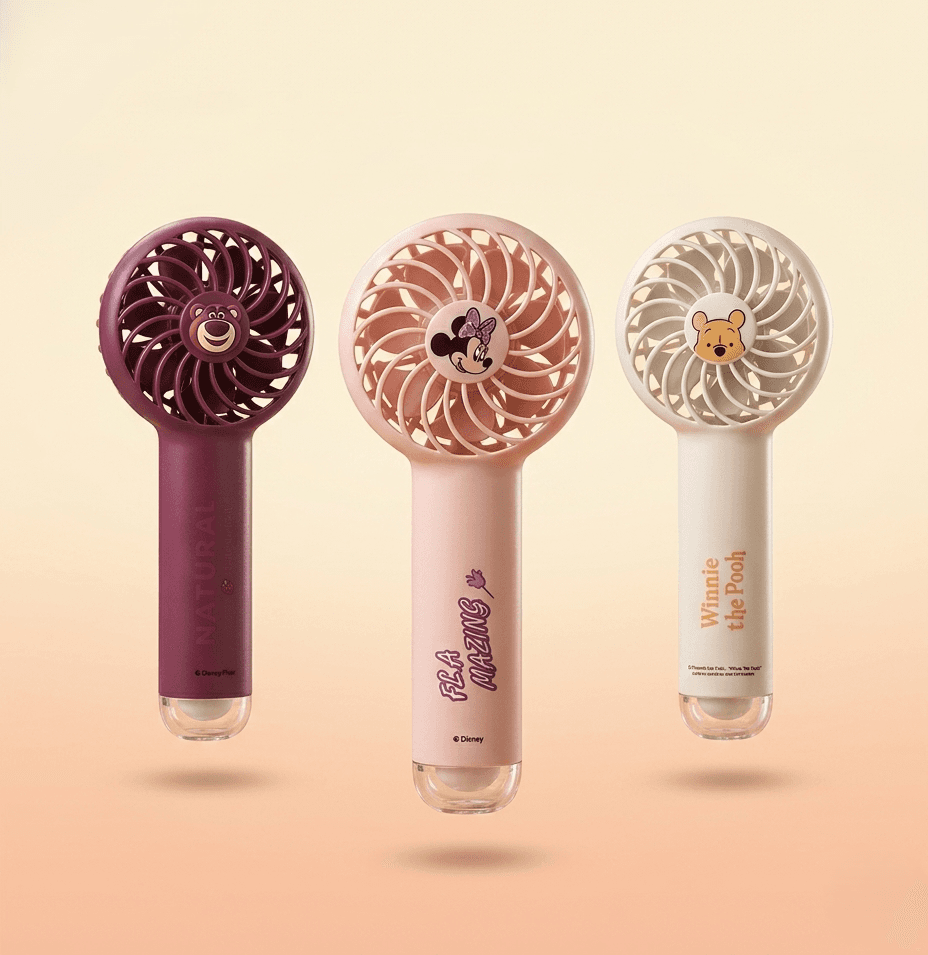
You've seen those mini handheld fans everywhere, from New Market to online stores. They're cute, but the battery life is a joke if you don't know what you're buying. A typical 2000mAh fan runs about 4 hours on low, 2 hours on medium, and barely 1 hour on high. That's enough for one load-shedding block, not a full workday.
If you're a commuter or outdoor worker, a mini handheld fan is a must-have, but you need to manage expectations. For a 9-to-5 office day, you'll need to charge it at your desk or carry a power bank. Some fans come with a built-in battery indicator, which helps you plan. Others die without warning, so test yours at home first.
A better option for outdoor use is a neck fan, which leaves your hands free. But those have smaller batteries, typically 1800mAh, and they blow air right at your neck, which can feel clammy in humidity. For walking between places, a handheld fan you can point at your face is more effective.
Does a cooling towel actually work in Dhaka's humidity?
You've seen those cooling towels that you wet, wring, and snap. They work by evaporative cooling, which means they only work if the air is dry. In Dhaka's monsoon, with humidity above 70%, a cooling towel will stay wet and cold for maybe 20 minutes, then turn into a damp rag that does nothing.
But in the dry pre-monsoon months of April and May, when humidity drops below 50%, they're brilliant. You can drop your skin temperature by 5-6°C for up to an hour. The trick is to wring it out well, so it's damp, not dripping. If it's dripping, it's just wet clothing.
For a more consistent effect, soak a bandana in cold water and tie it around your neck. The carotid artery runs there, and cooling that blood helps lower your core temperature. It's not as high-tech, but it works better than a towel that dries out.
How can you sleep through load shedding without an AC?
Load shedding is the real enemy. The fan stops, the heat builds, and you're lying there in a pool of sweat. The answer is to prepare before the power goes out.
First, take a cool (not cold) shower right before bed. Cold water makes your blood vessels constrict, which actually traps heat inside. Cool water at 25-30°C helps your body release heat.
Second, use a rechargeable fan. A 12-inch rechargeable fan with a 5000mAh battery can run on low for 6-8 hours, which covers a typical load-shedding block. Look for one with a DC motor, as they're more efficient and quieter than AC motor fans.
Third, wet a thin cotton sheet and wring it out, then use it as a top sheet. The evaporation will cool you for a couple of hours, even without a fan. It's an old trick but it works.
Finally, if you have a power bank, you can run a small USB fan off it. A 10000mAh power bank can run a 5V USB fan on low for about 10 hours. That's a solid backup.
What should you drink to stay cool without AC?
Cold water is good, but iced drinks are a trap. They cool your mouth, but your body has to warm them up, which uses energy and generates heat. Room-temperature water is better for hydration.
But the real trick is to drink something with electrolytes, like ORS or a homemade nimbu pani with salt and sugar. In Dhaka's heat, you sweat out salt, and plain water can leave you feeling weak. A glass of nimbu pani every few hours keeps your energy up.
Also, avoid hot tea and coffee in the afternoon. They're diuretics, and they make you lose more water. If you need a caffeine fix, have it in the morning.
For a tech supplement, a smart water bottle that reminds you to drink is overkill. You don't need a gadget to tell you to drink when you're sweating. Just keep a 1-liter bottle at your desk and finish it by noon.
Are smart plugs worth it for managing heat in Dhaka?
You might think a smart plug can turn on your fan before you get home, but if the fan is on and you're not there, it's just wasting electricity. The only real use is if you have a window AC in one room and you want to pre-cool it before you arrive. But you're reading an article about surviving without AC, so that's moot.
A more useful gadget is a smart thermometer, like a small indoor weather station. It tells you the actual temperature and humidity in your room, so you know when to open windows, when to close them, and when to switch to a fan. They cost around 1500-2000 taka and are more useful than you'd think.
But honestly, the most underrated tech is a simple timer plug for your fan. Set it to turn off after you fall asleep, so you don't wake up freezing at 3 AM. That's a 300 taka gadget that improves sleep quality.
The bottom line
You don't need an AC to get through a Dhaka summer. You need a strategy: manage humidity, create airflow, cool your body directly, and time your activities around the heat. Start with a good pedestal fan, a rechargeable fan for load shedding, and a bottle of nimbu pani. The gadgets are just tools; the knowledge is what keeps you cool.