You can stay cool without AC by cooling your body instead of the room. A fan aimed at bare skin, a damp cloth on your neck, and blocking sun before it enters will do more for how you feel than a bigger unit turned up. The trick is layering cheap methods and knowing which ones are worth the effort.
I've spent multiple summers doing this on purpose, partly to save money and partly because a window unit in an old apartment barely kept up anyway. Here's what held up and what turned out to be a waste of time.
Why cooling your body beats cooling the room
Advertisement
Your body doesn't care about the number on a thermostat. It cares about how fast heat leaves your skin. That happens through sweat evaporating, blood vessels near your skin widening, and air moving across your body. Every method below targets one of those three things.
This matters because cooling a room is expensive and slow. Cooling your skin is cheap and fast. A 20-inch box fan running on medium pulls roughly 50 to 100 watts, which is a fraction of what a window AC unit uses, and it starts working the second you turn it on.
The catch: fans don't lower air temperature. They only help if air can move across your skin and evaporate sweat. Once indoor air gets above roughly 95°F (35°C), a fan stops helping and can actually add heat stress, because it's blowing air that's warmer than your skin. That's the point where you need wet skin or a different strategy entirely.
What actually works to stay cool without AC
Move air across your skin, not around the room
A ceiling fan or box fan set to blow directly on you beats a fan pointed at the wall. Sounds obvious, but most people set fans to circulate air in the room rather than aim them at their body. Aim it at your torso and legs, not your face. Your core holds most of your heat.
Get your skin wet, then let air do the rest
This is the single biggest lever. Dampen a towel or your shirt at the neck, wrists, and behind the knees, then sit in front of a fan. Evaporation pulls heat out of your skin directly. It works even when the air is warm, as long as it's not humid. In dry heat this can drop how you feel by several degrees. In humid heat it's much weaker, because your sweat already isn't evaporating well.
A cold shower or a basin of cool water on your feet does the same job faster. Feet and wrists have lots of blood flow close to the surface, so cooling them cools you down quickly.
Block sun before it gets inside
A window with direct sun coming through can add real heat to a room. Close blinds or curtains on the sunny side during the day. If you can, hang a light-colored shade or a white sheet outside the window rather than inside. Blocking sun before it passes through glass works far better than trying to block it after.
Cook, shower, and do laundry at the right times
Anything that adds heat or humidity indoors makes the rest of your cooling harder. Boiling pasta for 20 minutes in a closed kitchen is a small sauna. Grill outside, use a microwave, or cook in the morning. Same with showers: a hot shower raises indoor humidity, and humid air makes sweat evaporate more slowly for hours afterward.
Time your day around the heat
Do errands and chores early or after sunset. If you work from home, front-load the tasks that need focus before the hottest part of the afternoon. This isn't about willpower, it's about not fighting physics.
Portable fans and targeted cooling

A full-size fan cools a whole room, which is inefficient if you're sitting in one chair. A small handheld or clip-on fan aimed at your face, neck, or chest gives you the same evaporative effect in a much smaller package, and it's easy to move from desk to bed to kitchen.
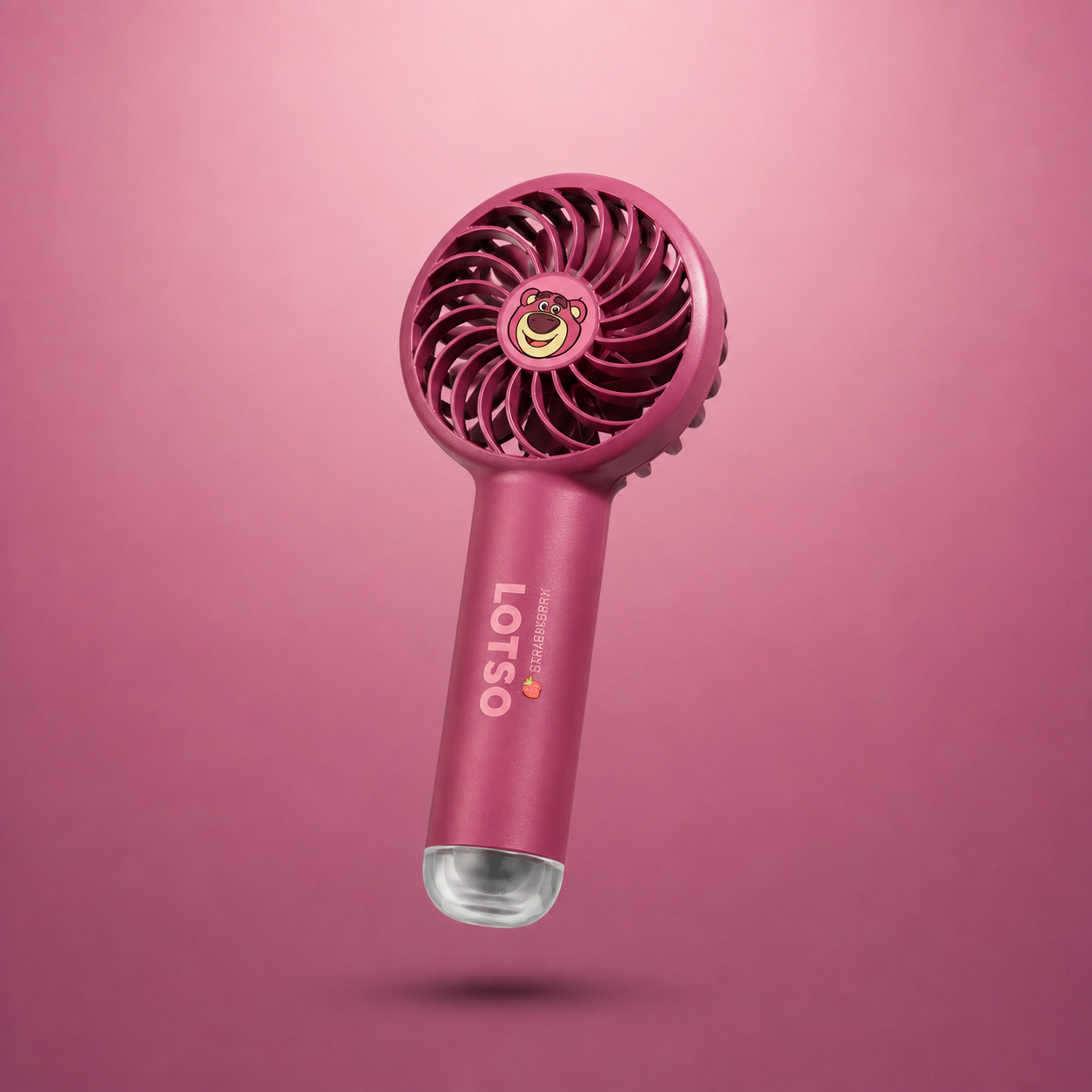
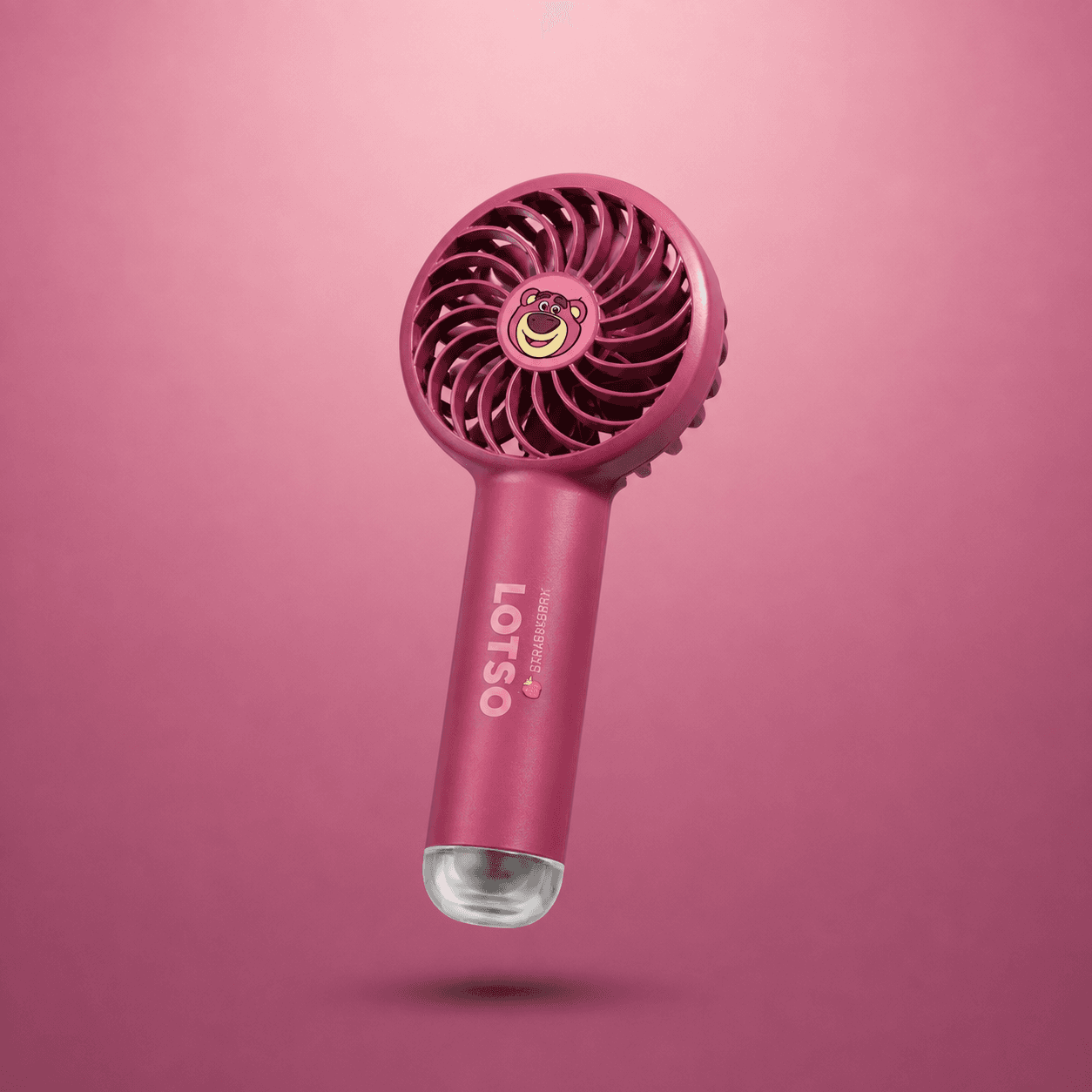
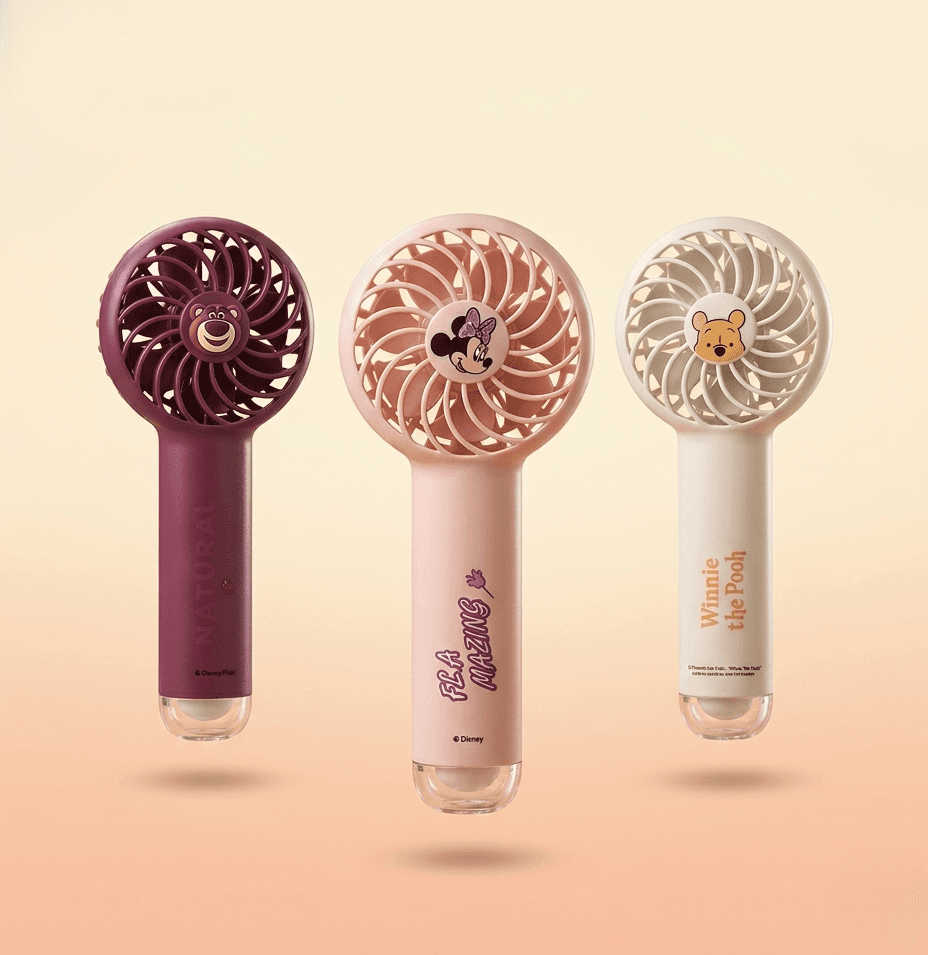
This is where something like a Disney Mini Handheld Fan earns its place. It won't cool a room and it won't replace a box fan for sleeping. But for sitting at a desk, riding in a hot car, or standing in a kitchen, a small directed airflow on damp skin does more than a distant fan running at full power. The tradeoff is battery life: most handheld fans in this size run a few hours on low and noticeably less on high, so they're for targeted use, not all-day cooling.
If you're trying to keep a window AC set higher, this is the practical version of that strategy. Set the AC to 78°F instead of 72°F and use a personal fan on your skin. You'll feel close to the same and the compressor runs less.
What doesn't work as well as people think
| Method | Does it work? | Why |
|---|---|---|
| Fan pointed at the room | Weak | Moves air but doesn't cool your skin directly |
| Fan on dry skin in dry heat | Moderate | Helps, but evaporation is the real mechanism |
| Fan on dry skin in humid heat | Weak | Sweat already isn't evaporating |
| Wet towel plus fan | Strong | Direct evaporative cooling on skin |
| Cold shower | Strong but temporary | Cools you for maybe 20 to 40 minutes |
| Closing blinds on sunny side | Strong and free | Stops heat before it enters |
| Opening windows at night | Strong if it cools below ~70°F | Flushes stored heat from walls and furniture |
| Ice in front of a fan | Mild | Cools a small area briefly, melts fast |
A few things on that list get oversold. Ice in front of a fan sounds clever but the cooling effect is small and short-lived, and you're left with a puddle. Fans alone in humid weather are the most common mistake people make.
How to sleep when it's hot
Sleep is where heat hurts most, because your body needs to drop its core temperature slightly to fall asleep. Three things help more than anything else:
- Cool your feet and hands. These areas dump heat fast. A cool damp cloth on your feet or wrists before bed works.
- Use a damp sheet, not a dry one. A light cotton sheet slightly dampened and draped over you with a fan on it is genuinely effective in dry heat. In humid climates, skip this.
- Get air moving over the bed. A fan aimed along the length of your body, not across the room, does more.
If it's humid where you are, the damp-sheet trick backfires and makes things worse. Stick to airflow and cool water on your skin instead.
The math on keeping the AC higher
If you do have AC and just want to use less of it, the strategy is simple: raise the setpoint and make up the difference on your skin. Every degree you raise the thermostat reduces runtime, and the savings compound over a month. Pairing a higher setpoint with a fan on your body and a damp cloth gets you most of the comfort for a fraction of the cost.
This is the honest tradeoff: you'll feel slightly warmer than a cold room, you'll need to manage the fan and water, and on the hottest, most humid days it won't be enough. On the other 80% of summer days, it's plenty.
What to actually do tonight
Pick one thing and start there: get a fan aimed at your skin, dampen a cloth for your neck and wrists, and close the blinds on whichever side of your place faces the sun. That combination costs almost nothing and works better than most people expect. Add a small personal fan if you want targeted cooling while you work or sleep, and keep the AC set higher than you normally would. The goal isn't to be perfectly cool. It's to be comfortable enough for a lot less money.