Your phone hits 42°C while charging in a 35°C Dhaka afternoon, and the battery health percentage quietly drops another point. The fix is not a new phone. Smartphone battery care in Bangladesh comes down to changing when, where and how you charge, plus a few cheap habits that keep the battery below the temperature where permanent damage starts. Lithium batteries in Bangladeshi conditions lose capacity faster than the same phones used in cooler countries, and most of that loss comes from heat, not age.
Why does heat damage your phone battery more than heavy use?
A lithium-ion battery is happiest between roughly 15°C and 35°C. Above that, the chemical reactions inside speed up, and some of them are not reversible. Charge a phone at 40°C and it ages faster than a phone charged at 25°C, even if both are used the same way.
Advertisement
The damage compounds. Heat while charging is worse than heat while gaming, because charging already generates internal heat. Add a 34°C room, a thick case and a fast charger, and the battery sits in the worst possible zone for 45 minutes.
What you will actually notice:
- Battery health drops faster than the usual one percent every few weeks.
- The phone throttles performance, so apps feel slow even at 60 percent charge.
- It shuts down or refuses to charge until it cools.
- The back panel feels warm even when idle.
In Dhaka, the problem is not just air temperature. It is humidity. High humidity slows the phone's ability to shed heat through the surface, so a phone that would cool in 10 minutes in dry 35°C air can take 20 to 25 minutes in humid 35°C air. That matters during load shedding, when you are charging from a power bank in a room with no fan.
What charging habits actually protect a battery in Bangladeshi summers?
Most advice online is written for mild climates. Here is what changes in practice.
Charge in the coolest room, not the most convenient one. If you charge overnight in a bedroom with the AC on 26°C, that is a far better environment than charging at your desk at 2pm with the afternoon sun on the wall. A 5 to 8 degree difference in ambient temperature is meaningful over a year.
Stop charging at 80 to 85 percent on normal days. Keeping the battery between 20 and 80 percent reduces stress. You do not need to do this every day. Do it on days when the phone is already warm, and charge to 100 percent only before long travel days.
Skip fast charging when the phone is hot. If the phone is above roughly 38°C, a 33W or 67W charger pushes heat in faster than the phone can shed it. Use a standard 10W or 18W charger, or wait 15 minutes.
Never charge under a pillow, on a bed or inside a bag. This is the single fastest way to cook a battery. The phone needs airflow on all sides.
Take the case off during fast charging. A thick silicone or leather case traps heat. A 5-minute difference in cooling time sounds small until you do it daily for two years.
Do not charge and game at the same time. PUBG or Free Fire while plugged in can push internal temperatures past 45°C within 20 minutes, and that combination is the most common cause of rapid battery health loss we see in Bangladesh.
Is it safe to charge your phone during load shedding?

This is the question most people in Dhaka actually have, and the answer is: it depends on what you are charging from.
Charging from a power bank is fine, but power banks themselves heat up. A 10,000mAh power bank charging a phone in a 33°C room can reach 40°C or more. If you are doing this daily, you are shortening the life of both devices.
Charging from an IPS or generator-backed socket is usually fine, but voltage swings during generator changeover can stress the charger, not the battery directly. A basic surge protector is cheap insurance.
What you should avoid:
- Charging from a car socket in a parked car in the sun. Cabin temperatures can exceed 50°C.
- Charging from a laptop USB port while the laptop is also hot and working hard.
- Leaving the phone plugged in on a windowsill or near a window where direct sun hits it.
If load shedding hits and you must charge, charge to 50 or 60 percent and stop. That is enough for calls, bKash and Nagad transactions, and a few hours of standby.
How do you cool a phone down quickly without damaging it?
Do not put a hot phone in the fridge or freezer. Condensation forms inside, and the sudden temperature change stresses the battery and the display. Do not put it in front of an AC vent at full blast either, for the same reason.
The safe method is gradual airflow. Put the phone on a hard surface, screen up, case off, and point a fan at it. Room-temperature air moving across the surface cools it in 10 to 15 minutes.
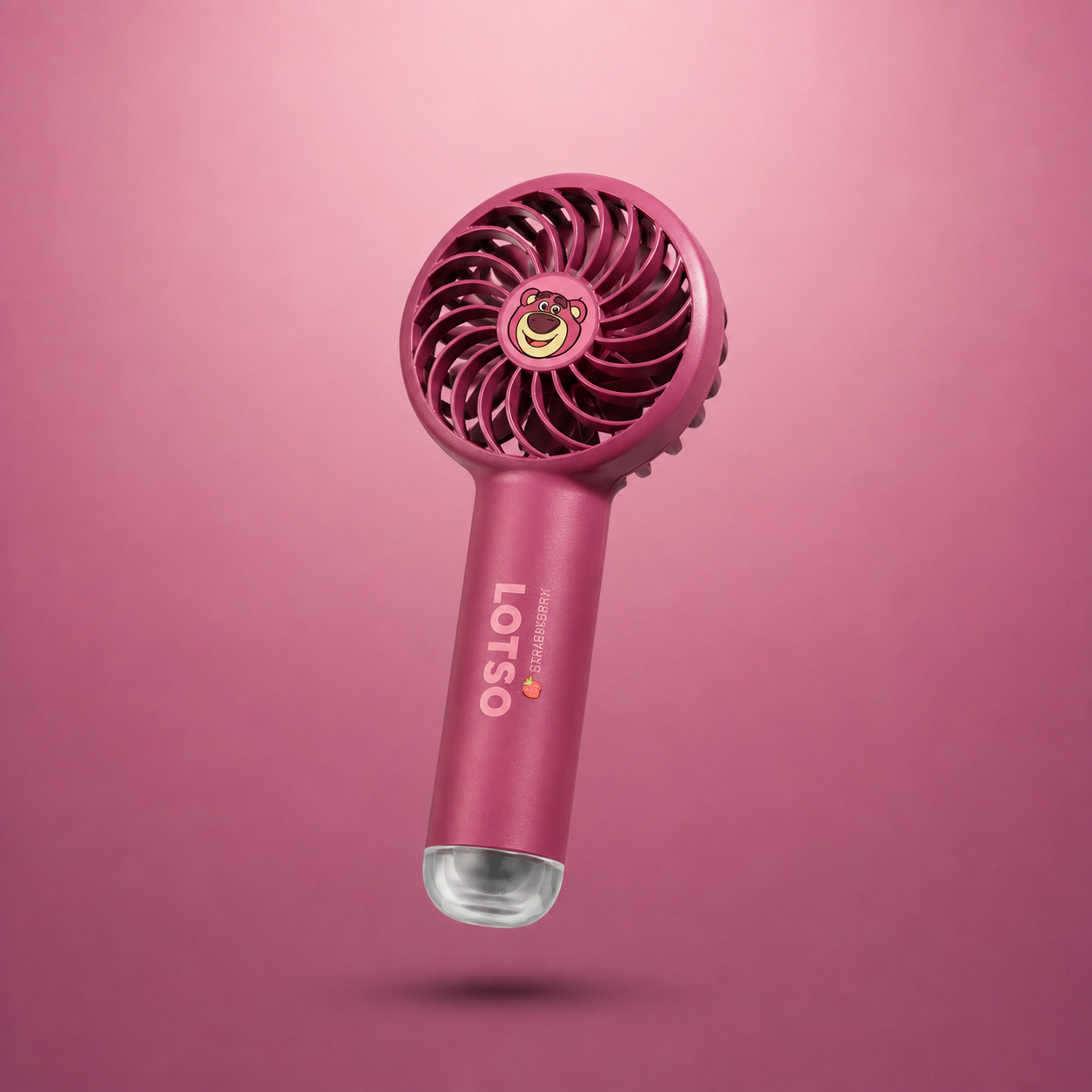
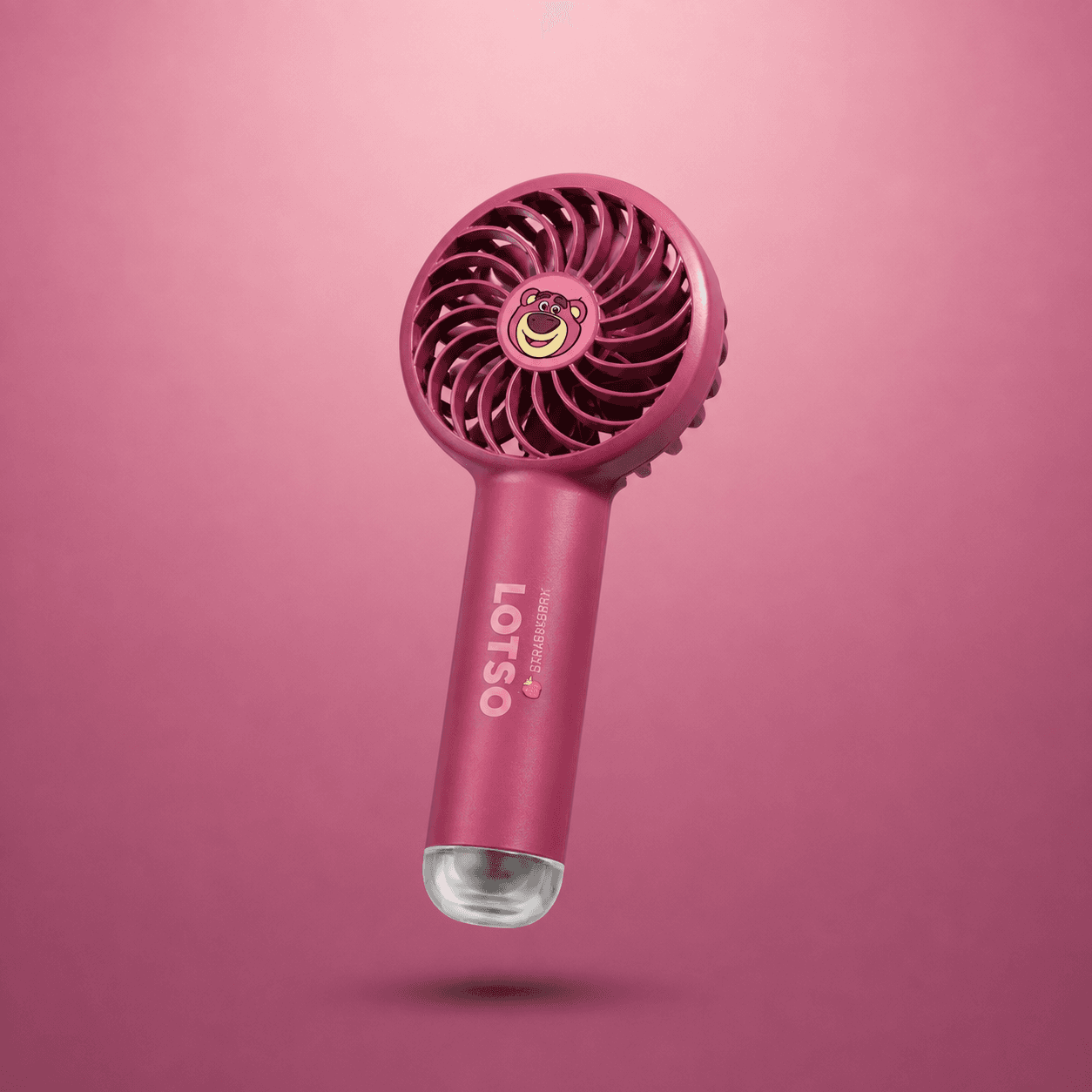
If you are out and about, or if the power is out and the ceiling fan is not running, a small handheld fan pointed at the back of the phone does the same job. A Disney Mini Handheld Fan is small enough to keep in a bag and moves enough air to bring a warm phone down from uncomfortable to normal in roughly the time it takes to finish a cup of tea. It is not a substitute for proper charging habits, but on a hot September afternoon with no AC, it is the difference between charging safely and charging while cooking the battery.
Other things that help:
- Remove the case before charging in hot weather.
- Charge on a tile or metal surface rather than a mattress or cushion.
- Lower screen brightness while charging. The display is a heat source too.
- Turn on airplane mode if you need a fast, cool charge.
Which habits cause the most damage, ranked
| Habit | How bad it is | What it does |
|---|---|---|
| Gaming while charging | Worst | Pushes internal temp past 45°C, rapid capacity loss |
| Charging under a pillow or on a bed | Very bad | Traps heat, no airflow, real overheating risk |
| Fast charging a hot phone | Bad | Adds heat faster than the phone can shed it |
| Overnight charging every night | Moderate | Keeps battery at 100 percent for hours, mild stress |
| Charging in direct sun | Moderate to bad | Ambient heat plus charging heat |
| Charging to 100 percent daily | Mild | Normal wear, not worth worrying about if the phone stays cool |
Notice that the top of the list is about heat, not about charge percentage. That is the pattern. If you fix the heat, most other habits matter far less.
What about battery health apps and replacement?
Battery health apps on Android are mostly guessing. They read voltage and estimate capacity, and the number moves around. iPhone's built-in Battery Health is more reliable, but even that is an estimate.
A better signal is behaviour. If your phone drops from 100 to 60 percent in three hours of light use, or shuts down at 20 percent, the battery is done regardless of what an app says.
A replacement battery for most mid-range phones in Dhaka costs a few hundred to a couple of thousand taka depending on the model and whether you go original or aftermarket. Original is worth it. Aftermarket batteries often lose noticeable capacity within six to eight months in this climate.
If you are still under warranty, check whether heat damage is covered. Usually it is not, because manufacturers classify it as normal wear. That is another reason to prevent it rather than rely on a claim.
Practical takeaway
Pick two things and do them consistently: charge in the coolest room you have, and never charge while gaming or under a pillow. Those two changes alone will do more for your battery in a Dhaka summer than any app, any charger upgrade or any battery-saving mode. If you want a third, keep a small fan nearby for the days when the power is out and the room is hot. Your battery will last longer, and you will not be replacing the phone a year earlier than you should.