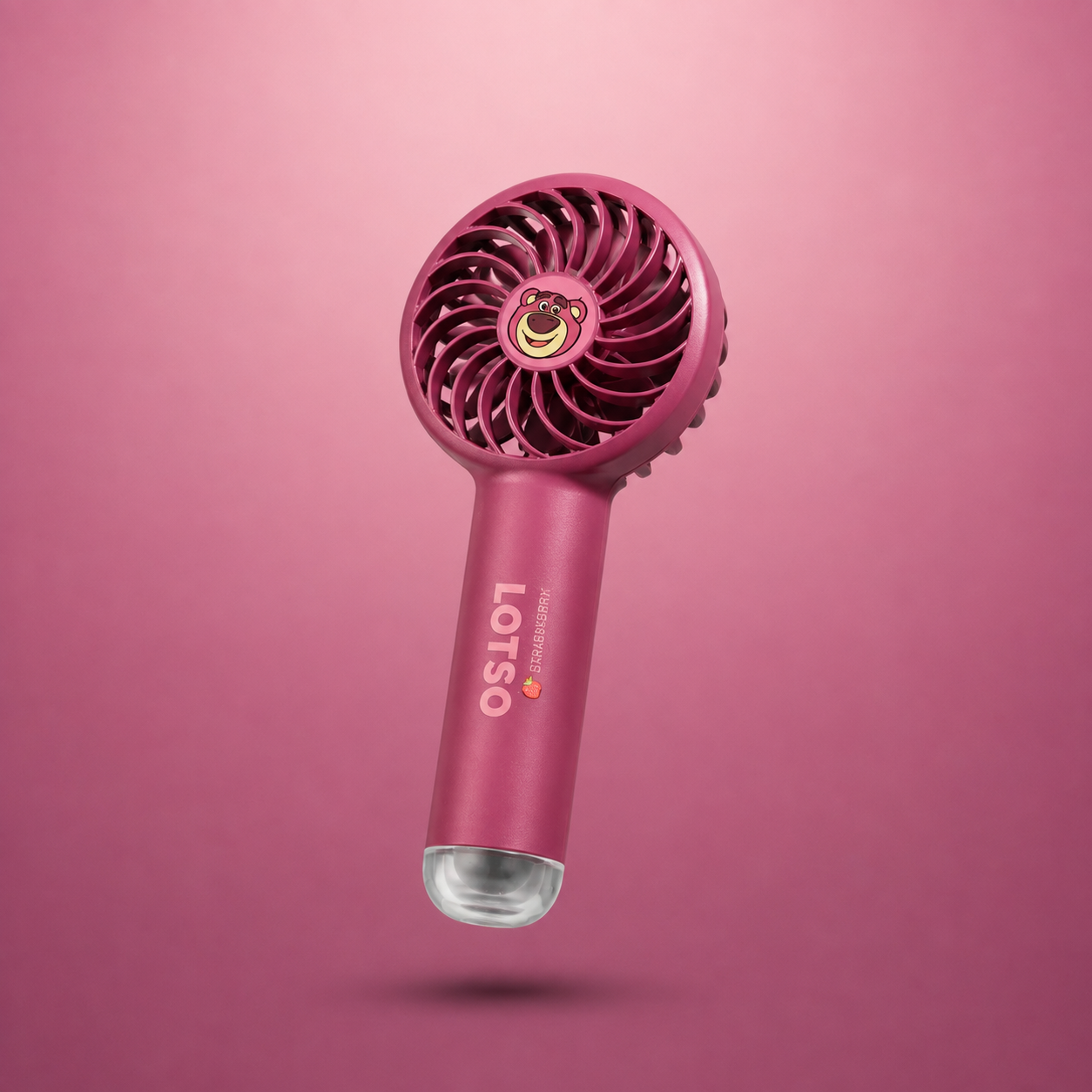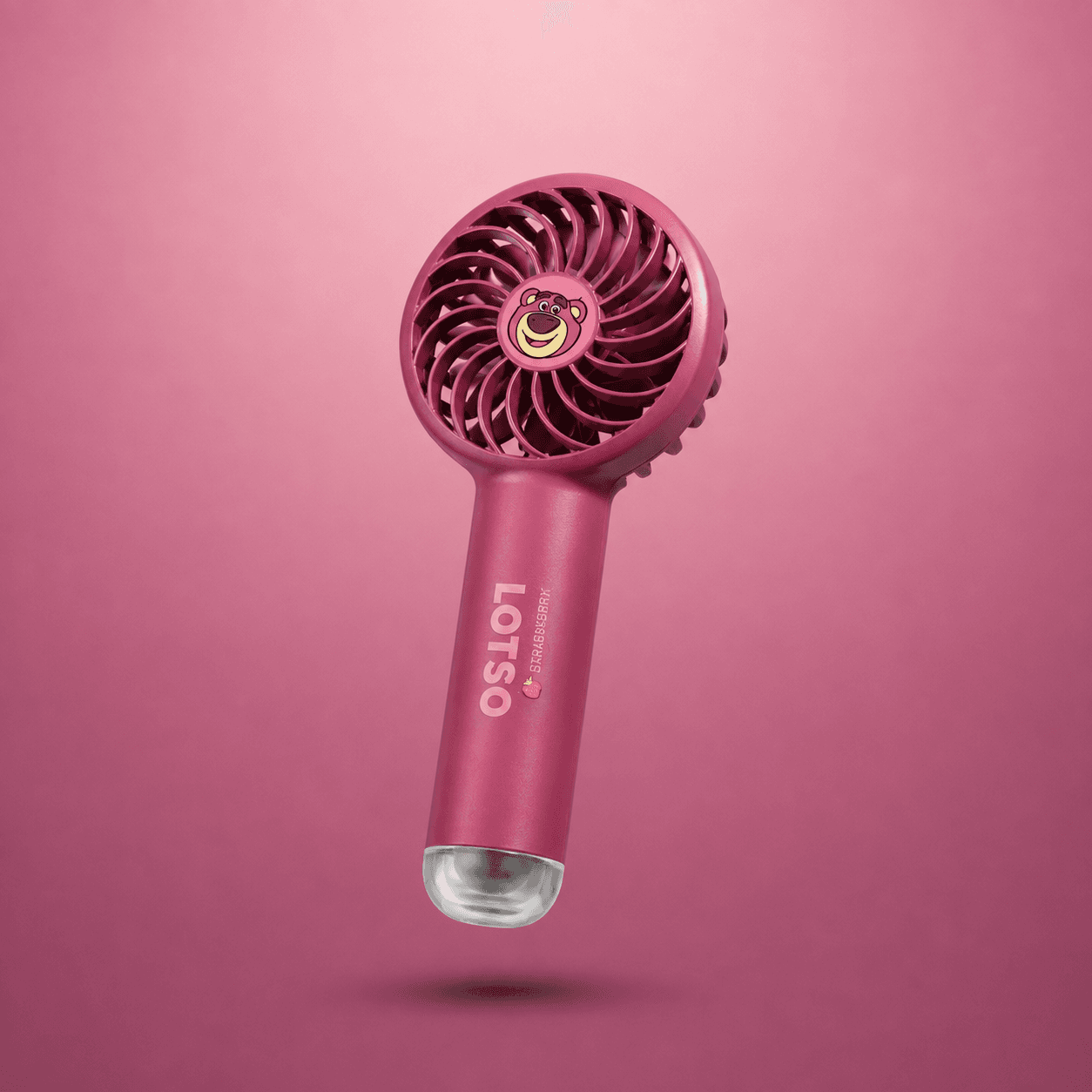
You've seen the videos: a toddler's curious fingers reaching toward spinning blades, and you're wondering if the fan you just bought is actually a safe fan for kids. Most parents focus on the obvious, like whether the grille gaps are small enough, but they miss the quieter dangers. Things like blade material, motor heat, and even the cord can turn a harmless breeze into a trip to urgent care.
Let's be honest, the market is flooded with colorful fans that look like toys. But looking cute isn't the same as being safe. This guide walks you through what actually matters, so you can pick a safe fan for kids without second-guessing yourself.
Finger Guards: The Gap Size Is Only Half the Story
Advertisement
You probably know the rule: grille gaps should be smaller than a child's finger. But here's what most people miss. The standard test is the "pinky test." If a child's pinky can fit through the grille, the fan is not safe. Most reputable fans now use gaps under 7mm, which is roughly the width of a pinky tip.
But the gap isn't the only thing. The grille itself needs to be rigid. A flimsy grille can flex when a child pushes against it, and that's when fingers slip through. Check by pressing on the grille with your thumb. If it bends easily, keep looking.
Another overlooked point is the center hub. Many fans have a large decorative cap in the middle, and kids love to poke at it. If that cap is removable, it's a hazard. Look for a cap that's either flush with the grille or screwed in place.
Why Blade Design Matters More Than You'd Think
Even with a perfect grille, blade design affects safety. Soft, flexible blades are marketed as safer because they bend on impact. That's true, but they also create less airflow. You'll need a higher speed setting, which means more noise and more energy use.
Rigid plastic blades are efficient but can cause injury if a finger does get through. Metal blades are rare in kids' fans for good reason. They're sharp and dangerous. For a child's room, soft or semi-rigid blades are the sweet spot. They're forgiving enough to reduce injury, yet still move enough air.
Materials: The Hidden Chemical and Heat Risks
You might not think about what the fan is made of, but you should. Cheap plastic can contain phthalates and BPA, especially in brightly colored models. These chemicals are linked to hormonal disruption. Look for fans labeled BPA-free or made from ABS plastic, which is more stable.
Heat is another issue. Motors generate heat, and if the housing is thin plastic, the outside can get warm. Not burn-level hot, but warm enough to be uncomfortable. More importantly, a poorly ventilated motor can overheat and melt the housing. Check for vents on the sides or back. If a fan has no visible vents, skip it.
Also, consider the cord. A frayed cord is obvious, but what about a cord that's too long? A trailing cord is a tripping hazard and a pull risk. Look for a fan with a short cord or a cord that can be secured. Some fans have a built-in cord wrap, which is a nice touch.
The base matters too. A fan that tips over easily is a danger, especially for toddlers who pull themselves up. Test the stability by giving the fan a gentle push. It should stay upright. A wide base or a low center of gravity is ideal.
The Motor and Heat: What Most Reviews Don't Tell You
Brushless DC motors are quieter and more efficient, but they're also more expensive. AC motors are cheaper but can get hot. For a child's room, heat is a real concern. You don't want a fan that's too hot to touch after running all night.
A good test is to run the fan for an hour and then feel the housing. If it's more than slightly warm, that's a red flag. Also, listen for unusual noises. A grinding or clicking sound indicates a problem with the motor or bearings.
Another thing: some fans have a thermal cutoff that shuts off the motor if it overheats. That's a great safety feature, but it's rarely mentioned in product descriptions. You might have to check the manual or contact the manufacturer.
Power and Cord Safety: The Overlooked Risks
Cords are the number one cause of fan-related accidents in young children, and not for the reason you think. It's not just strangulation. It's the fact that a child can pull the fan off a table or shelf by yanking the cord. Always place fans on the floor or on a stable surface out of reach.
Look for a fan with a polarized plug (one prong wider than the other). That's a minor safety feature that prevents shock. Also, check the cord gauge. A thicker cord (16 AWG or lower) handles heat better and is less likely to overheat.
If you're using an extension cord, make sure it's rated for the fan's wattage. Most fans draw between 20 and 60 watts, so a basic extension cord is fine. But avoid daisy-chaining cords, and never run a cord under a rug.
What Parents Usually Miss: The Real-World Scenarios
You've checked the grille, the materials, and the motor. But here's what you might still miss.
First, the fan's placement. A fan on a nightstand next to a crib is a risk. The crib bars can trap a cord, and the fan can be pulled down. Put the fan across the room, or use a clip-on fan attached to a stable surface.
Second, the remote control. If your fan has a remote, it has batteries. Batteries are a choking hazard. Make sure the battery compartment is secured with a screw, not a slide-lock. Some remotes have a child-resistant closure, but not all.
Third, the oscillation function. A fan that oscillates can catch a child's clothing or hair if they get too close. It's rare, but it happens. If you're worried, use the fan on a fixed setting.
Finally, consider the noise. A loud fan can disrupt sleep, but a silent fan might not provide enough white noise. Some kids need the hum to fall asleep. Test the fan at different speeds to see what works for your child.
Comparing Your Options: A Quick Reference
| Feature | What to Look For | What to Avoid |
|---|---|---|
| Grille gap | Under 7mm | Gaps wider than a pinky |
| Blade type | Soft or semi-rigid | Metal or sharp edges |
| Material | BPA-free ABS plastic | Cheap, flexible plastic |
| Motor | Brushless DC, cool to touch | AC motor that heats up |
| Cord | Short, polarized plug | Long, frayed, or ungrounded |
| Base | Wide, stable | Narrow, tips easily |
| Extras | Thermal cutoff, secure battery cover | Removable parts, sharp edges |
A Note on Brand Names and What They Really Mean
You'll see brands like Dyson, Vornado, and Honeywell. They're reputable, but they're not automatically safe. The safety features are what matter, not the logo. That said, some brands go the extra mile. For example, certain Disney fans are designed with child safety in mind, like rounded edges and soft blades. But even then, you should check the specs yourself.
One thing to remember: a fan is a mechanical device. It can fail. That's why regular checks are important. Every month, inspect the grille, cord, and base. Look for cracks, loose screws, or signs of wear. If you see any, replace the fan.
The Bottom Line: What to Buy and What to Skip
So, what's the takeaway? Don't buy the cheapest fan you find. Spend a little more for safety features. Look for a fan with a tight grille, soft blades, and a stable base. Check the material and the cord. And always, always place it out of reach.
A safe fan for kids doesn't have to be expensive. It just has to be thoughtful. Your child's safety is worth the extra five minutes of research.
Now, go ahead and check the fans you already own. If any of them fail these checks, it's time to upgrade. Your child's fingers will thank you.