Your $25 Bluetooth earbuds stopped charging, or your $15 mini fan spins only when you hold the cable at an angle. The repair shop quoted you $20. Should you pay it? The short answer to the repair or replace gadget question: for anything that cost under roughly $50, the repair is usually worth it only if the part costs less than a third of what you originally paid and you can do the swap yourself. Otherwise you are paying a technician to resurrect a device that was built to be thrown away.
That single rule handles most cheap gadgets. The rest of this article is the reasoning behind it, plus the specific failures that break the rule in both directions.
What does "worth repairing" actually mean?
Advertisement
Most people compare the repair quote to the price of a new device. That is the wrong comparison, and it is why so many people feel cheated afterward.
The right comparison is the repair cost plus your time plus the risk of a second failure, measured against the price of a replacement that comes with a fresh warranty and a fresh battery. A $20 repair on a two-year-old $30 device is not a $10 saving. It is a bet that nothing else inside that device is about to fail, and on cheap electronics, that bet loses more often than it wins.
There is also a hidden cost people forget: the time. If you spend 90 minutes researching the part, ordering it, and watching a teardown video, and you value your time at even $15 an hour, you have spent $22.50 before the part arrives. That is the whole device.
So the honest framework has four inputs:
- What you originally paid
- What the part or repair costs
- How long the fix takes you, realistically
- Whether the same failure is likely to happen again
Get those four numbers roughly right and the decision makes itself.
The 30% rule for cheap gadgets
Here is the rule I actually use: if the part costs less than 30% of the original purchase price and the repair takes under 30 minutes, fix it. If either number is bigger, replace it.
Run the numbers on real examples:
| Device | Original price | Typical part | Repair time | Verdict |
|---|---|---|---|---|
| Wired earbuds | $12 | New pair | 0 min | Replace |
| True wireless earbuds | $40 | Battery, glued shut | 45+ min | Replace |
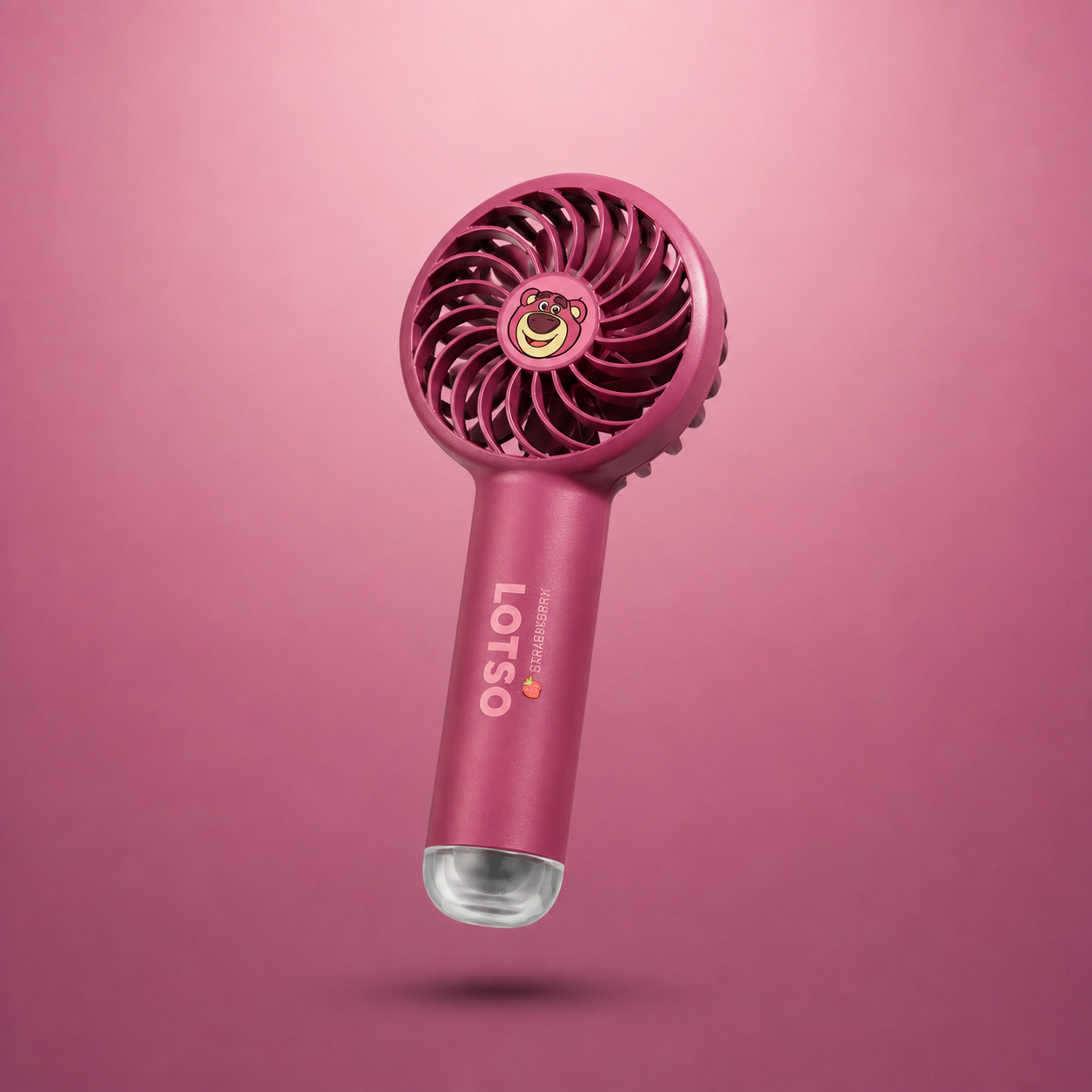
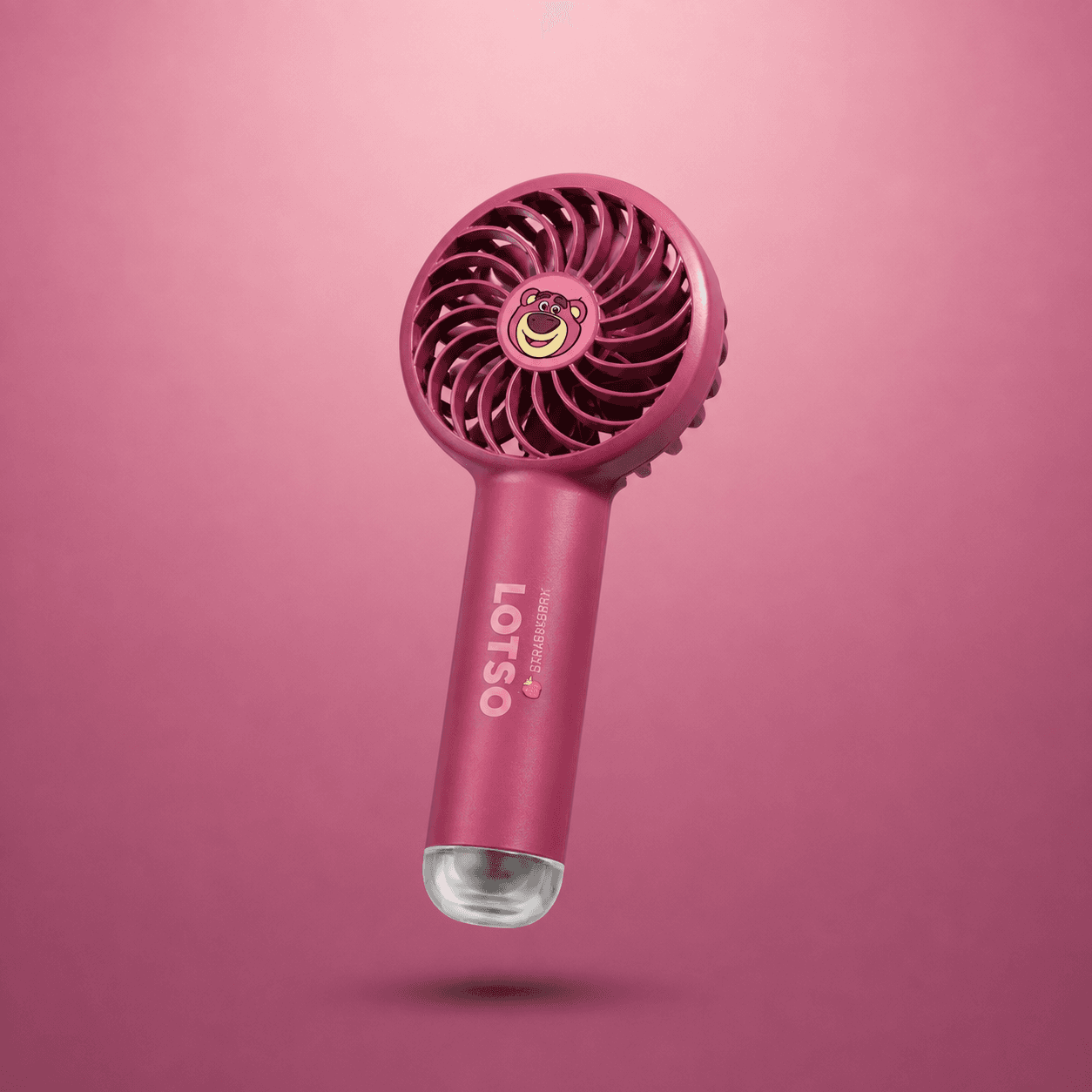
| Mini handheld fan | $15 | 18650 cell | 5 min | Repair |
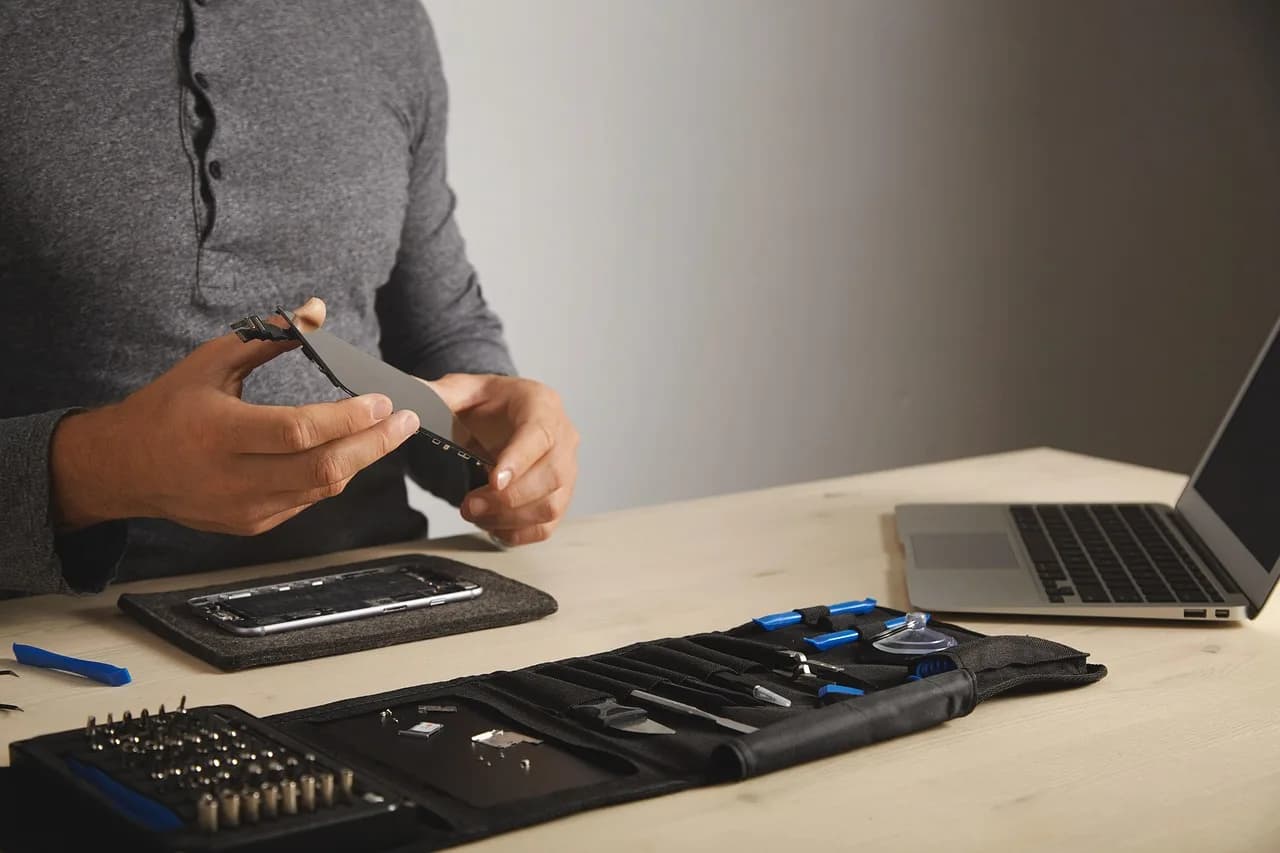
| Phone screen, budget model | $150 | $35 glass | 30 min | Repair |
| Phone screen, flagship | $900 | $220 assembly | 60 min | Depends on age |
| USB power bank | $25 | 18650 cells | 20 min | Repair if screws |
| Bluetooth speaker | $30 | Charge port | 30 min | Borderline |
Notice the pattern. The devices that are cheap to fix are the ones held together with screws and standard cells. The devices that are expensive to fix are the ones glued shut with proprietary batteries.
That is not an accident. Manufacturers know that a device you cannot open is a device you have to replace.
Which failures are actually fixable on a cheap gadget?
Not all breakages are equal. Some are a five-minute job. Others mean the device is done no matter what the quote says.
Usually fixable:
- A dead or swollen battery in a device with visible screws
- A frayed charging cable (just replace the cable, not the device)
- A clogged fan or speaker grille full of dust and lint
- A loose headphone jack or USB port that just needs resoldering
- Firmware that needs a reset or reflash
Usually not worth it:
- Water damage, even if it turns on again. Corrosion keeps spreading for weeks.
- A cracked screen on a device under $80. The glass often costs more than the device.
- Any failure where the case is sealed with adhesive. Opening it usually breaks the screen or the housing.
- A swollen lithium battery in a sealed device. That is a fire risk, not a repair project. Stop using it and dispose of it properly.
If your gadget falls in the second list, the money is better spent on a replacement. If it falls in the first, and the part is cheap, go ahead.
When does the math flip toward replacement?
The 30% rule is a starting point, not a law. Three situations override it.
One: the device is your daily driver. If you use it every single day, downtime has a cost. Waiting a week for a $4 part to arrive from overseas while you have no fan, no earbuds, or no speaker is worse than spending $20 today.
Two: the repair has no warranty. A shop repair on a cheap device often comes with a 30-day guarantee at best. A new device comes with a year. If the same fault is likely to return, the new one is the cheaper option over 12 months.
Three: the battery is the problem and it is sealed in. Battery failures are the single most common reason cheap gadgets die. If you cannot get to the cell without destroying the case, you are not repairing anything. You are buying time.
A quick way to decide in under a minute
Ask yourself these in order. Stop at the first one that applies.
- Did it cost under $20? Replace it. The part will cost half the device and your time is worth more.
- Is the battery swollen? Stop using it, dispose of it, replace it.
- Is the case glued shut? Replace it unless the device cost over $150.
- Is the part under 30% of the price and the fix under 30 minutes? Repair it.
- Is it your main device and you need it this week? Replace it.
- None of the above? Repair it, but buy the part from a seller with returns, because cheap replacement parts fail at a much higher rate than original ones.
That last point matters more than people expect. A $3 replacement battery is not the same product as the one that came in the device. Expect it to last maybe half as long. Factor that into the math before you order.
The one case where repairing is almost always right
There is one category where the repair wins nearly every time: devices with a standard replaceable cell and a screw-together body. A mini handheld fan is the clearest example. Many of them run on a single 18650 lithium cell behind a small panel, and a replacement cell costs a few dollars. If your fan stopped holding charge but still spins when plugged in, that is a battery problem, not a dead motor, and it is a five-minute swap with a small screwdriver.
That is the exception that proves the rule. The device was designed so the wear item can be replaced. Most cheap gadgets are not. Check for screws before you assume anything, because a device you can open is a device you can keep.
What to do before you throw anything away
Before you bin a gadget, do three things. Reset it or reflash the firmware, because a surprising number of "dead" devices are just stuck. Try a different cable and charger, because charging faults are the most misdiagnosed failure there is. And check whether the manufacturer has a warranty, because some budget brands do cover a year and most people never claim it.
If none of that works and the device fails the 30% test, let it go. Cheap electronics are priced on the assumption that you will replace them, and fighting that assumption usually costs more than accepting it.
Spend your repair budget where it changes the outcome: on the devices you can actually open, with parts you can actually buy. Everything else is a sunk cost you are better off walking away from.