A summer outage in 95°F heat is a different problem from a winter one. You are not trying to stay warm, you are trying to stop your apartment from turning into an oven while keeping your phone alive. Power outage summer survival comes down to three things: pre-cooling your space before the grid drops, having a battery plan for both people and devices, and knowing which cooling tricks actually move the needle versus which ones just make you feel busy.
Why is a summer outage more dangerous than a winter one?
Heat kills faster than cold in most homes. A closed apartment can climb 10 to 15°F above the outdoor temperature within two to three hours, especially on a top floor or a west-facing unit. If it is 96°F outside, your living room can hit 105°F or more by mid-afternoon.
Advertisement
Your body has a harder time hiding the damage too. Heat exhaustion symptoms (dizziness, nausea, heavy sweating that suddenly stops) can show up within an hour of sitting in a hot room, particularly for older adults, young children, and anyone on blood pressure or antidepressant medication. Those drugs interfere with sweating and temperature regulation.
The practical takeaway: treat a summer outage as a medical event, not an inconvenience. The first 6 hours matter more than the next 24.
What should you do in the first 30 minutes of an outage?
Do these in order. Speed matters more than perfection.
- Close every window and curtain. Counterintuitive, but if it is hotter outside than inside, opening windows pulls heat in. Blackout curtains or even a wet bedsheet over a sunny window can drop a room by several degrees.
- Fill your bathtub with cool water. Not to bathe in immediately, but as a heat sink and a place to soak your feet or a towel. A wet towel on the back of your neck works almost as well.
- Unplug sensitive electronics. Refrigerators, TVs, and computers can get hit by a surge when power returns. A fridge that has been off for 4 hours is fine if you keep the door shut; a fridge that gets fried by a surge is not.
- Move everyone to the lowest floor. Heat rises. A basement or ground-floor room can be 8 to 12°F cooler than an upstairs bedroom.
- Check on anyone over 65 or under 5. Call, don't text. If they sound confused or stop sweating, that is an emergency.
How long can you actually keep food cold?
A closed refrigerator keeps food safe for about 4 hours. A full freezer holds temperature for 48 hours if you don't open it, or 24 hours if it is half full. That is the USDA guidance, and it assumes you are not standing there staring into it.
The trick that actually helps: freeze water bottles or zip bags of water ahead of storm season. Move them from freezer to fridge the moment the power drops. They buy you extra hours and give you cold water later.
If the outage stretches past 4 hours, start eating the fridge food first and leave the freezer alone. A thermometer in the fridge is worth the ৳300 to ৳500 it costs. If food has been above 40°F for more than 2 hours, throw it out. Do not taste-test it.
What is the best way to stay cool without AC?
You have four real options, ranked by how much they actually help.
| Method | Cooling effect | Power need | Best for |
|---|---|---|---|
| Wet towel on neck/wrists | Immediate, 30-60 min | None | Anyone, anywhere |
| Battery fan + spray bottle | Moderate, continuous | 2-5W | Sleeping, sitting still |
| Cool shower or foot soak | Strong, 1-2 hours | None (if water is on) | Resetting your core temp |
| Portable AC or swamp cooler | Strong, continuous | 500-1500W | Only with a generator |
A battery fan is the workhorse here. It doesn't cool the air, but moving air across your skin speeds up evaporation, which is how your body cools itself. A small handheld fan running on two AA batteries will last 4 to 8 hours on low. That is one overnight sleep, not a full day.
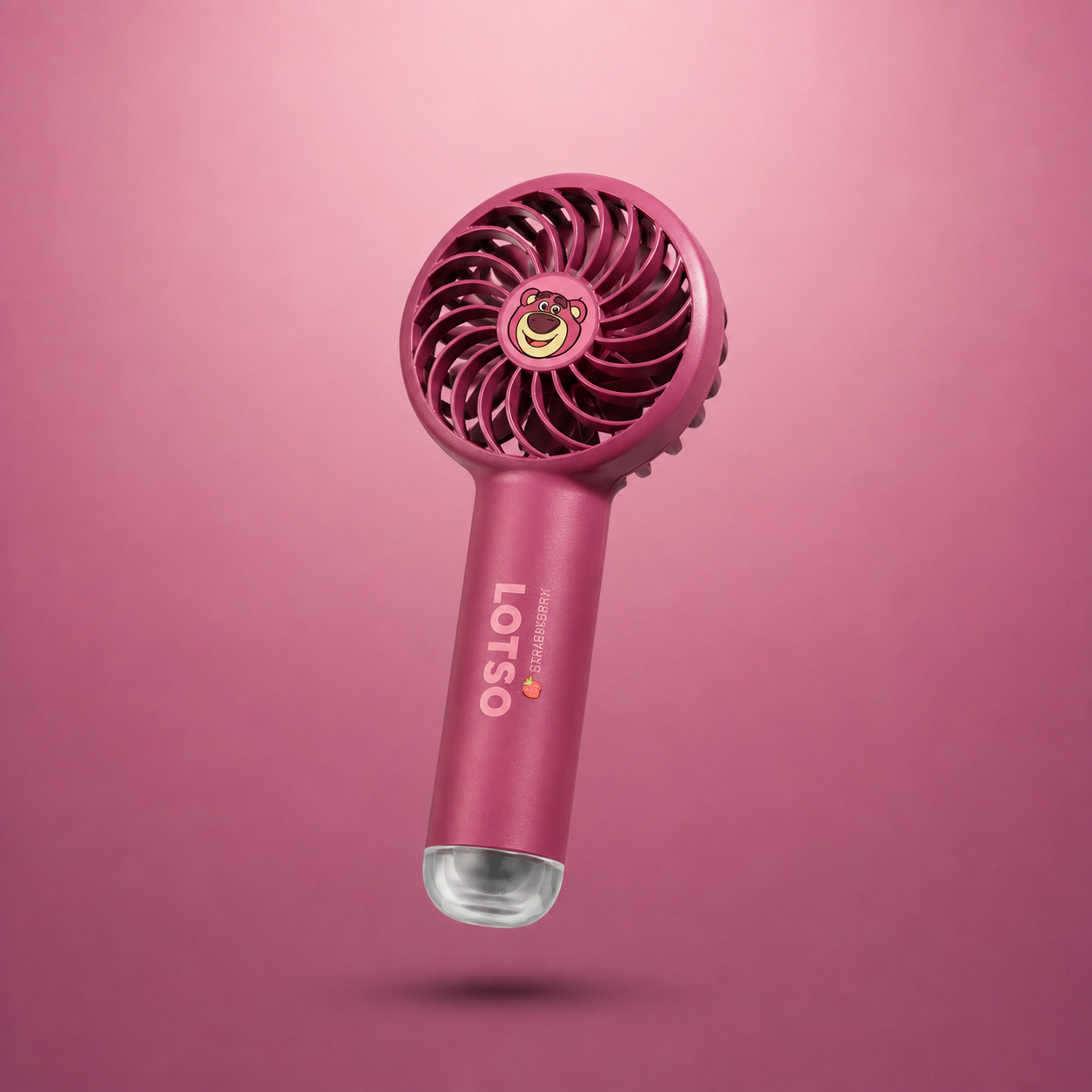
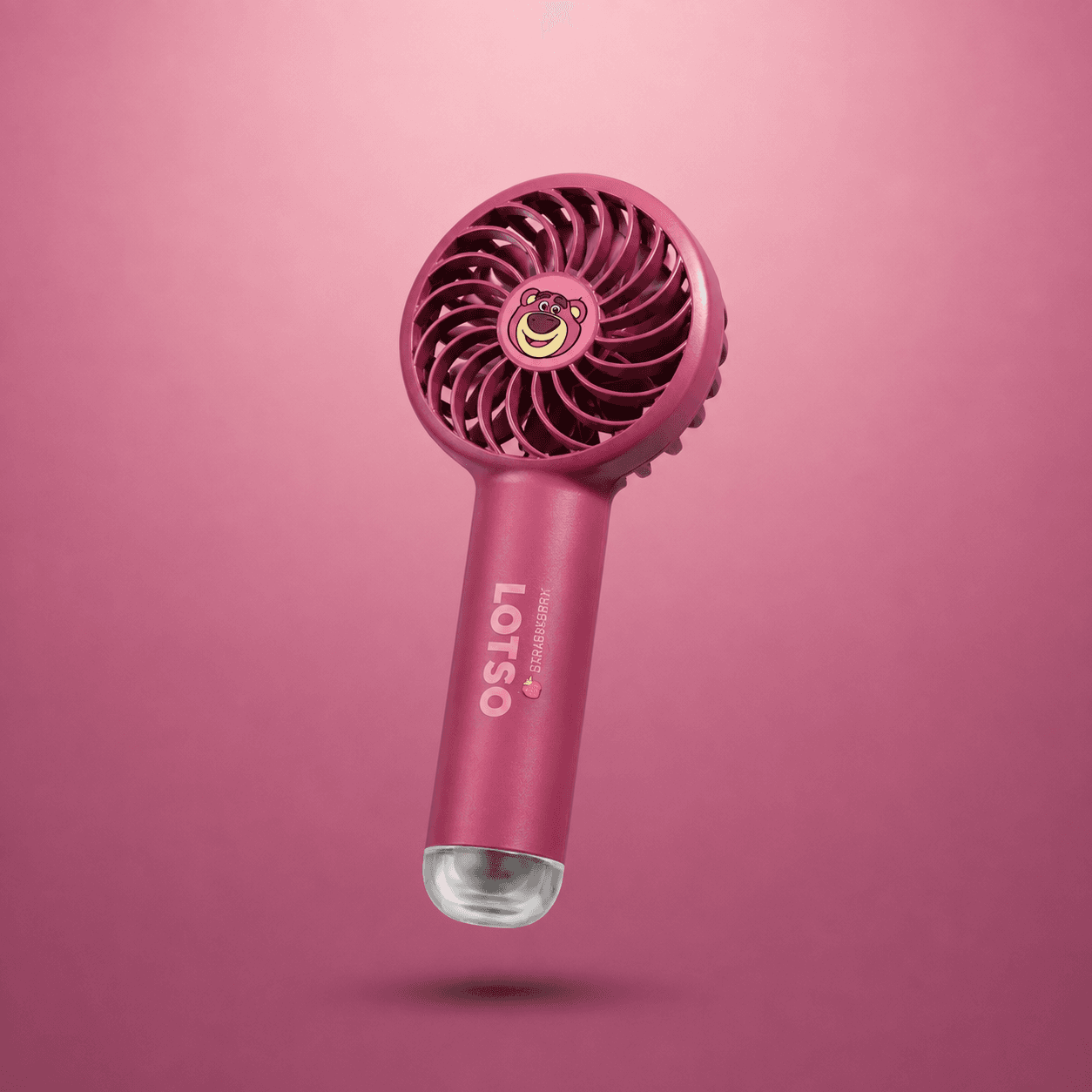
This is where a small portable fan earns its place in a go-bag. Something like the Disney Mini Handheld Fans runs on batteries, fits in a pocket, and is easy to hand to a kid who is getting cranky in a hot room. It won't cool a living room. It will keep one person comfortable enough to sleep, which is the actual goal at 2am.
How do you keep phones and devices charged during an outage?
Plan for 24 hours of phone use, not 3 days. A modern phone with moderate use drains about 8 to 12 percent per hour when the screen is on. That means a 10,000mAh power bank gives you roughly two full phone charges, not five.
Here is what to charge and in what order:
- Phones first. One per person. Charge them to 100% before the storm hits, not after.
- Power banks second. A 20,000mAh bank is the sweet spot: heavy enough to matter, light enough to carry.
- A small flashlight or headlamp third. Your phone flashlight drains battery fast, roughly 15 to 20 percent per hour.
- Skip the laptop. It is a battery hog and you probably don't need it.
Turn on low power mode immediately. Turn off Bluetooth, Wi-Fi if you have no signal, and background app refresh. Drop screen brightness to the lowest readable setting. These three changes can cut your drain by half.
If you have a car, it is a 12V generator on wheels. A 30-minute idle charge will top up a phone and a power bank. Do not run the car in a closed garage. Ever.
What should be in your outage kit before summer starts?
Build this in April or May, not the day the heat wave hits. Stores sell out fast.
- Two 20,000mAh power banks, charged
- One battery fan per person, plus spare batteries
- A headlamp and a small lantern
- A fridge thermometer
- Two gallons of drinking water per person per day, for three days
- A battery-powered or hand-crank radio
- Any prescription medication, plus a week's buffer
- A printed list of emergency contacts and your local cooling center
One thing people forget: cash. Card readers and ATMs go down with the grid. Keep ৳2,000 to ৳5,000 in small notes in your kit. In the US or UK, keep $40 to $100 or £30 to £80.
When should you leave your home?
Leave when the indoor temperature passes 90°F and you cannot cool down with a fan and wet towel. Do not wait for someone to feel sick. Heat exhaustion turns into heat stroke fast, and heat stroke is a 911 call.
Go to a mall, a library, a cinema, or a designated cooling center. Most cities open them during heat advisories. A few hours in air conditioning resets your core temperature and buys you another day.
If you have a pet, remember they overheat faster than you do. A dog in a 95°F room with no airflow can hit dangerous body temperature in under an hour. Take them with you or set up a fan and a wet towel in their spot.
The honest summary: you cannot out-cool a heat wave with gadgets. You can buy yourself time, sleep, and a charged phone. Pre-cool your space, keep one fan per person, charge everything before the grid drops, and be willing to leave when the room stops being safe.