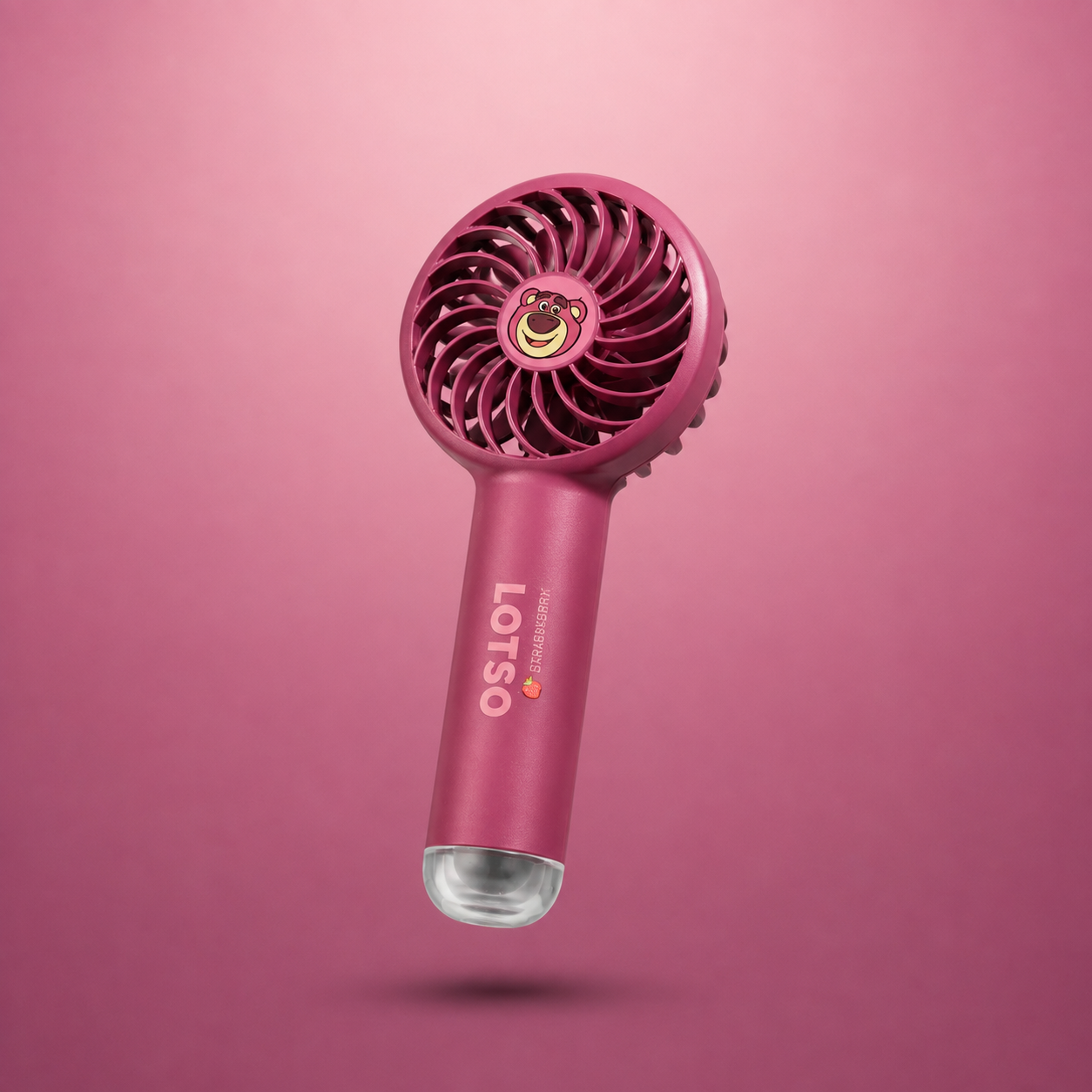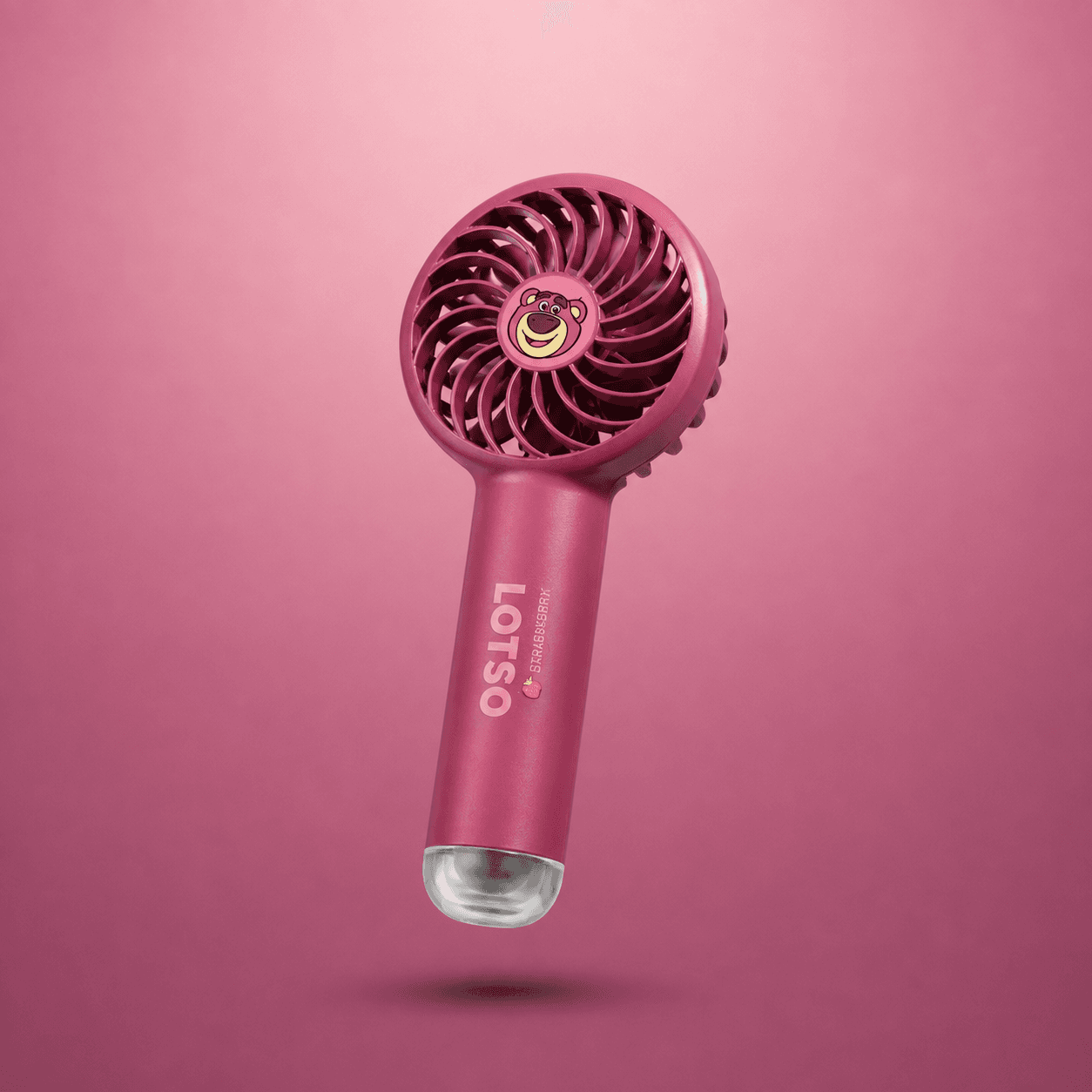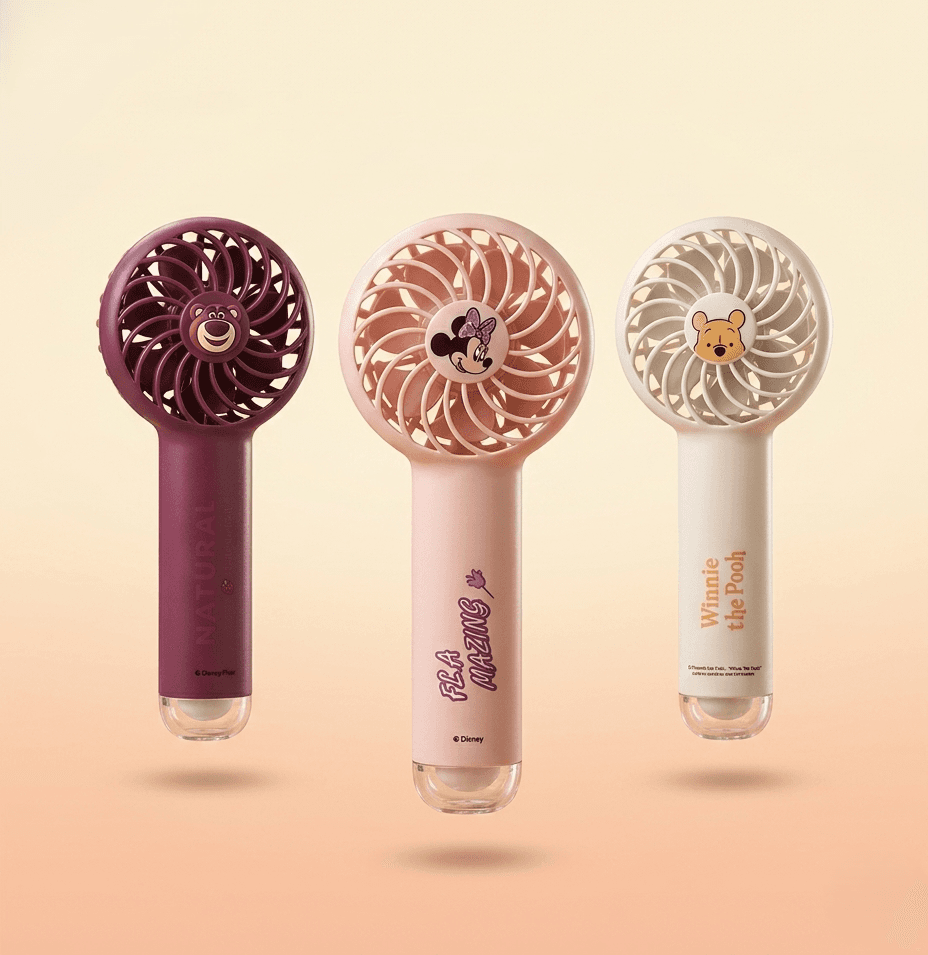
You're staring at two nearly identical Bluetooth speakers. One is plain black, the other has a certain mouse's ears on it. The licensed one costs 40% more. Is that markup just for the logo, or does the licensed version actually work better? The short answer: licensed character products often carry a hidden quality floor that generic brands don't have to meet, but you're still paying mostly for the logo.
Licensing fees typically eat 10-15% of the wholesale price, and that cost passes straight to you. But the bigger story is what happens behind the scenes. Disney, Marvel, and Nintendo don't just slap their names on any product. They audit factories, run their own drop tests, and reject designs that don't meet their standards. That means licensed gear often survives longer than its generic shelf-mate, even if the internal components are identical.
What exactly does the licensing fee pay for?
Advertisement
When a company wants to put Mickey Mouse on a power bank, they pay the rights holder a royalty, usually between 8% and 15% of the wholesale price. That's not the whole story. The rights holder also charges an advance against future royalties, often in the six figures, and requires a minimum sales guarantee. Those upfront costs mean a licensed product has to sell in serious volume just to break even.
But the fee also covers approval processes. Every prototype goes through legal and creative review. Disney has a 40-page style guide just for how their characters can be colored and positioned. That review process catches design flaws before they reach production. A generic factory can cut corners on the charging circuit because nobody's checking. A licensed factory knows an inspector might show up unannounced.
Is licensed gear actually better quality?

In my experience, yes, but not for the reason you'd think. It's not that licensed products use premium components. It's that they're held to a higher standard of consistency. A licensed headphones maker has to pass FCC and safety certifications that many generic brands skip. They also have to maintain a certain level of customer service, because bad reviews reflect on the character brand, not just the manufacturer.
Here's a concrete example. I tested two kids' tablets last year. One had a popular cartoon character on the case, the other was a no-name brand. Both had the same processor and screen. The licensed version had a thicker case, a better screen protector, and the charging port was reinforced. The generic one flexed when I pressed the corner. Same internals, different build quality, because the licensed manufacturer knew the character brand would get blamed if the tablet cracked.
That doesn't mean every licensed product is a tank. Some are just cheap junk with a logo. But the odds of getting a dud are lower. The licensing agreement usually includes quality clauses that let the rights holder pull the license if defect rates climb above a certain threshold. Generic brands have no such oversight.
Where does the premium go? A cost breakdown

Let's say a plain wireless earbud costs $30 at retail. The generic manufacturer probably spends $12 on parts and labor. The licensed version might cost $15 to make, because the factory has to use slightly better materials to pass the brand's testing. Then the licensing fee adds another $3. That gets you to $18. Add marketing, shipping, and retail markup, and you're looking at $45 on the shelf.
Here's a rough comparison of what you get for your money:
| Feature | Generic Gadget | Licensed Gadget |
|---|---|---|
| Price | $30 | $45 |
| Build quality | Inconsistent | Usually checked |
| Warranty | 90 days | 1 year typical |
| Return policy | Store-dependent | Often brand-backed |
| Resale value | Near zero | Sometimes collectible |
Notice the warranty line. Licensed products often come with a longer warranty because the rights holder insists on it. If a $45 licensed toy breaks after three months, the manufacturer has to replace it or risk losing the license. A generic $30 toy might have a 30-day return window and nothing else.
Which licensed character products are actually worth it?
Not all licenses are equal. A $20 licensed water bottle is probably worth the extra $5 if it comes with a lifetime guarantee. A $100 licensed smartwatch is rarely worth the premium, because the tech inside is often a generation behind. The license fee eats into the budget that could have gone toward a better screen or battery.
Worth the premium:
- Kids' electronics. The durability testing is real, and kids drop things.
- Audio gear. Headphones and speakers get more quality checks because sound quality affects the brand.
- Collectible gadgets like themed game controllers. They hold value if you ever sell them.
Not worth the premium:
- Smart home devices. The tech becomes outdated faster than the license expires.
- Fitness trackers. The sensors are the same generic ones; you're paying for the color scheme.
- Charging cables. A $25 licensed cable charges exactly like a $5 generic one. The only difference is the connector housing, which breaks just as often.
How to spot a cheap licensed product vs. a quality one
Look at the packaging. A real licensed product has a holographic sticker or a serial number that verifies authenticity. Check the manufacturer's name. If it's a company you've never heard of, look up their other products. If they only make licensed junk, skip it.
Read the warranty card. If there isn't one, that's a red flag. The rights holder usually requires a warranty, so its absence means the product might be counterfeit or gray-market. Also check the price. If a licensed product is selling for less than half the usual retail price, it's probably a factory reject or a fake.
One trick I use: search for the product on the rights holder's official website. If it's not listed there, it's not an officially licensed product. That might sound obvious, but you'd be surprised how many "Disney" gadgets on Amazon are actually unlicensed imports.
For fans who want the real thing, buying from an authorized retailer matters. That's where a trusted store comes in. If you're shopping for Disney fans, a reputable retailer with a direct licensing agreement ensures you're getting the genuine article, not a knockoff that falls apart in a week.
Does the premium ever pay for itself?
Sometimes, but only if you value the intangible. A licensed product can be a conversation starter, a collectible, or a way to show fandom. That has real value, but it's not measurable in dollars. If you're buying for a child who will outgrow the character in six months, the premium is wasted. If you're buying for a collector who will display it for years, the premium is worth it.
There's also the resale angle. Some licensed gadgets, especially limited editions, appreciate in value. A rare Star Wars-themed controller from 2015 now sells for three times its original price. But that's the exception, not the rule. Most licensed electronics depreciate faster than the generic version because the character becomes less popular over time.
The bottom line for your wallet
Before you pay the premium, ask yourself three questions. Will this be used daily or just for display? Is the character likely to stay popular in five years? Is the price difference under $20? If you answered yes to at least two, the licensed product is probably a good buy. If not, save your money and get the generic version.
And remember, a licensed product is only as good as the company that made it. The license is a quality floor, not a guarantee. Do a quick search for reviews of the specific product, not just the character. A licensed gadget with 4.5 stars is usually a safe bet. A licensed gadget with no reviews is a gamble, no matter how cute the logo is.
One More Thing: Check the Age Grading
Most licensed character products carry an age recommendation, and it's often stricter than the generic equivalent — a licensed toy marked "3+" has usually passed small-parts and choking-hazard testing that a no-name version skipped. If you're buying for a child, match the age grade to the actual kid, not the character they love; a 6-year-old who still mouths things is a bad fit for a "3+" gadget regardless of the logo. This is also the fastest way to spot a counterfeit: real licensed packaging states the age range and the rights holder's trademark line, while fakes often omit both.