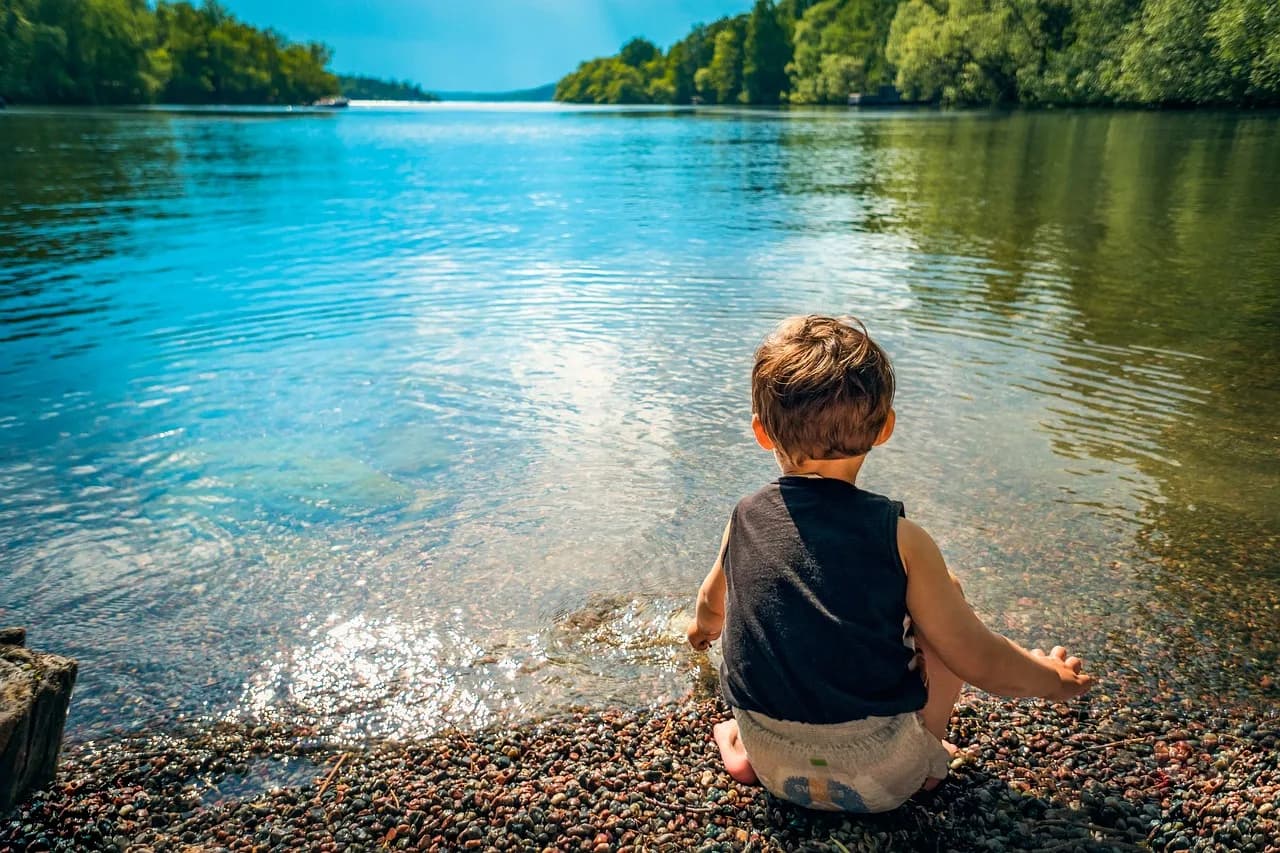
Your kid is red-faced, cranky, and asking to keep playing, and you're trying to figure out whether they're just hot or actually overheating. The honest answer to how to keep kids cool in summer is not one gadget, because kids heat up faster than adults, their sweat glands aren't fully developed until adolescence, and they produce more heat per pound during running and jumping. So cooling them down is about stacking three or four cheap habits, and knowing the specific limits of each one. Here are five that hold up in real playground conditions, plus the failure points most parents miss.
Why do kids overheat faster than adults?
A 60-pound child doing the same activity as a 180-pound adult generates proportionally more metabolic heat, and their body surface area to mass ratio means they absorb heat from the sun and hot ground faster too. Their thermoregulation is genuinely less efficient, not just less practiced.
Advertisement
What that means practically: a child can go from fine to miserable in 15 to 20 minutes of hard play in direct sun at 90°F, while you're still comfortable. Watch for the early signs rather than waiting for complaints. Flushed cheeks, sweat that suddenly stops, or a kid who goes quiet and stops running are all earlier warnings than thirst. Thirst is a lagging indicator in children, sometimes by 30 minutes or more.
The other thing parents underestimate is ground temperature. Asphalt and dark rubber playground surfaces can run 40 to 60°F hotter than the air. A toddler sitting on hot rubber is getting heat from below as well as above.
What should kids actually drink, and how much?
Plain water is fine for most play sessions under an hour. The rough guide most pediatric guidance lands on is about 4 to 8 ounces of water every 20 minutes for a child aged 5 to 12 during active play, scaled up in heat and humidity. A 6-year-old doesn't need a sports drink for a 40-minute park trip. They do need water they'll actually drink, which is a different problem.
Practical fixes that work:
- Freeze half the bottle overnight. It stays cold for 2 to 3 hours in a bag and kids drink cold water more readily than lukewarm.
- Skip juice and soda during play. Sugar slows absorption and the caffeine in cola is a mild diuretic. Save them for after.
- Offer on a timer, not on request. Set a phone alarm every 20 minutes. Kids mid-game will say no to water and then crash 20 minutes later.
- Watch urine color at the next bathroom trip. Pale straw means fine. Dark yellow means they've been behind for a while.
One caveat: if your child is playing hard for more than 60 to 90 minutes in real heat, or is a heavy sweater, a diluted electrolyte drink helps. Full-strength sports drinks are more sugar than most kids need.
How do you cool a child down fast when they're already too hot?

Move them out of direct sun first, then cool the highest-blood-flow areas: neck, wrists, armpits, and groin. Those spots sit over major vessels, so cooling them drops core temperature faster than splashing the whole body.
A damp cloth on the back of the neck plus cold water on the wrists does more in 5 minutes than 20 minutes in the shade alone. If you have access to a hose or sink, running cool water over the forearms and feet works well. Don't use ice directly on skin for a young child, it's uncomfortable and can cause vasoconstriction that slows the cooling you're trying to achieve.
Signs that mean stop playing and get medical help, not just a rest: confusion, vomiting, no sweating despite heat, fainting, or skin that's hot and dry. Those are heat exhaustion tipping into heat stroke territory and are not a wait-and-see situation.
Which cooling accessories are worth carrying?
Most cooling gear is either gimmick or genuinely useful, and the split is fairly clean. Neck fans and misters help in dry heat and do almost nothing in high humidity, because evaporative cooling needs dry air to work. Cooling towels are the reverse: they shine in humid conditions and feel clammy in dry ones.
Here's the honest comparison:
| Accessory | Works best when | Real limitation |
|---|---|---|
| Neck fan | Dry heat, low activity | Battery dies in 2 to 4 hours; useless in humidity |
| Cooling towel (wet) | Humid heat | Needs re-wetting every 30 to 45 minutes |
| Misting spray bottle | Any heat, short bursts | Kids spray each other and waste it in 10 minutes |
| Wide-brim hat | Always | Only works if the kid keeps it on, which is the hard part |
| Light long-sleeve UPF shirt | Always | Some kids refuse long sleeves in summer |
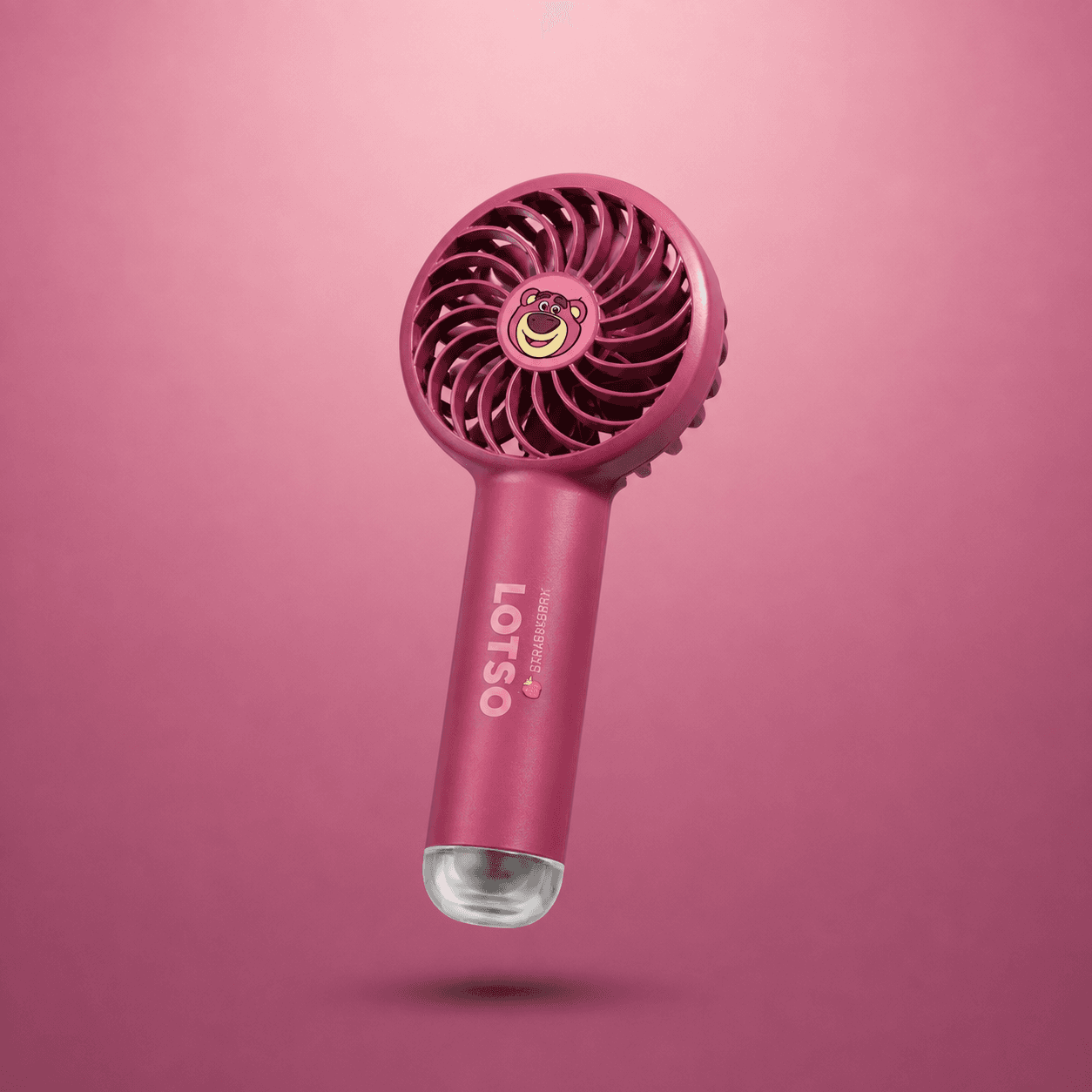
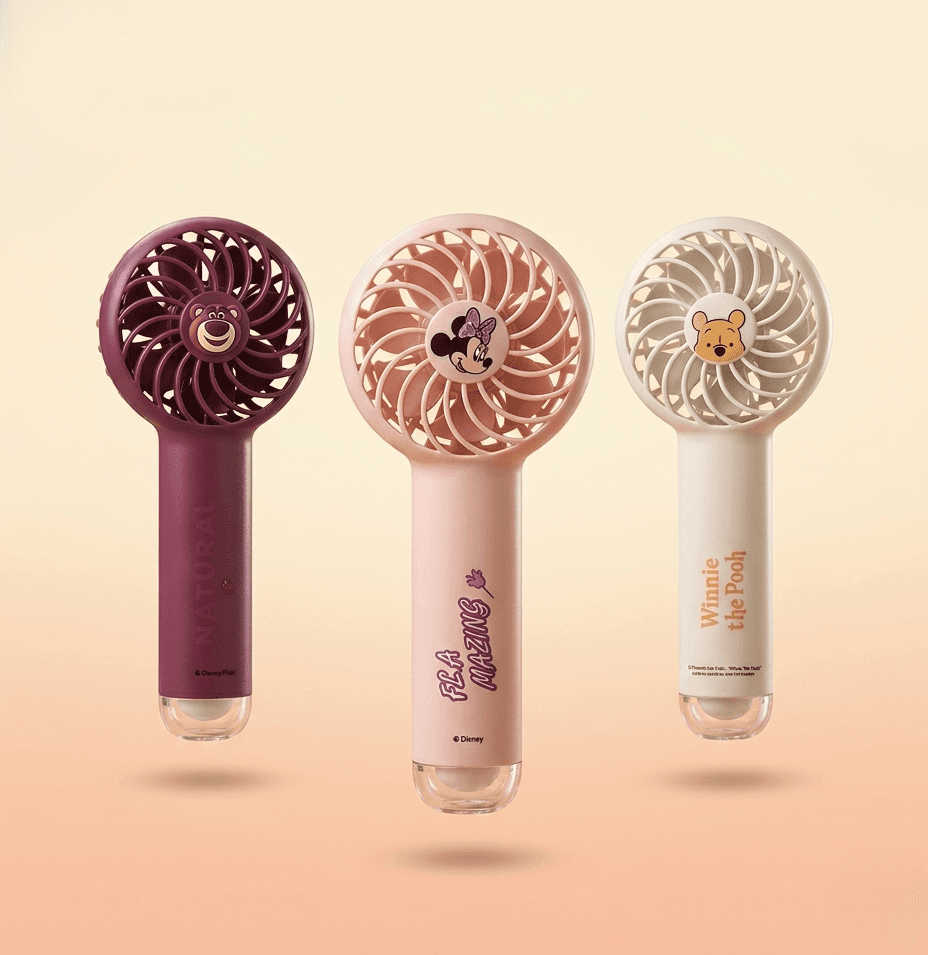
A handheld fan is the one accessory kids actually want to hold and use themselves, which matters more than specs. The Disney Mini Handheld Fans fit small hands, run on a rechargeable battery, and give a child a sense of control over their own comfort, which cuts down the whining considerably. Two things to know: supervise younger kids, since the blades and small parts aren't for toddlers, and the battery lasts roughly a couple of hours on high, so treat it as a play-session tool rather than an all-day one.
What should kids wear in the heat?
Counterintuitively, the answer is often more clothing, not less. Bare skin absorbs direct solar radiation. A light-colored, loose, long-sleeve shirt in a UPF 30 to 50 fabric keeps a child measurably cooler in direct sun than a tank top, provided the fabric breathes.
What to prioritize:
- Color: Light colors reflect, dark colors absorb. A black t-shirt in full sun is a mistake.
- Fabric: Cotton is comfortable when dry but heavy and slow-drying when soaked. Synthetics and bamboo blends dry faster.
- Fit: Loose enough to allow airflow. Tight clothing traps heat.
- Hat: A wide brim shades the neck and ears. A baseball cap leaves the ears and back of the neck exposed.
- Shoes: Light-colored sneakers or sandals. Dark rubber soles get hot enough to be uncomfortable on playground surfaces.
One more thing: wet a t-shirt before putting it on. It feels odd for about 30 seconds, then keeps a child noticeably cooler for 20 to 30 minutes as it evaporates.
When should you just move playtime indoors?
There's a real cutoff, and it's not the same for every child. Heat index above roughly 90°F is when most young kids start struggling with vigorous play. Above 100°F, outdoor active play should be moved to early morning or after sunset, or shifted indoors entirely.
Timing matters more than gear. In most of the US, the hottest window runs from about 11am to 4pm. Shifting play to 8 to 10am or after 6pm solves more of the problem than any accessory you can buy. If you're in a humid climate, add humidity to the calculation: 85°F at 80% humidity feels worse than 95°F at 20% humidity, because sweat can't evaporate.
Indoor backup options that actually burn energy: a hallway obstacle course with couch cushions, a dance video, or a bucket of water and sponges on a covered porch. The goal is to keep them moving without the sun load.
The practical takeaway
Pick two things and do them consistently rather than buying five gadgets. A frozen water bottle offered every 20 minutes, plus play shifted out of the 11am to 4pm window, prevents most heat problems before they start. Add a hat and a handheld fan for the kid who won't stop moving, and you've covered the realistic range of a normal summer day. The warning signs to memorize are the quiet ones: a kid who stops sweating, goes silent, or gets confused needs to stop and cool down immediately, not after one more round.