You're going somewhere hot, and you've already made the classic mistake: you threw in five cotton t-shirts and hoped for the best. By day two, you're chafed, sweaty, and your deodorant has melted into a puddle in your toiletry bag. I've been there. After a decade of summer trips from the Arizona desert to the Thai coast, I've learned that packing for heat isn't about packing less. It's about packing the right materials, the right layers, and the right gear to manage sweat, sun, and the inevitable 3 PM energy crash. This hot weather packing list is built from real experience, not generic travel blog advice. Every item below has been tested in actual 95°F+ conditions, and I'll tell you exactly why it works, and where it falls short.
Why Your Current Packing Strategy Is Failing
Most people pack for heat like they're packing for a beach day, which is fine if you're going from hotel to pool and back. But if you're walking cities, taking public transport, or doing anything that involves being outside for more than 20 minutes, you need a different approach.
Advertisement
The core problem is cotton. Cotton absorbs sweat, holds it against your skin, and turns into a wet, heavy rag within an hour. It also takes forever to dry, so you're stuck wearing damp clothes all day. Synthetic fabrics like polyester and nylon wick moisture away and dry in minutes. Merino wool does the same but doesn't smell after a day of wear. That's your base layer sorted.
The second problem is that people overpack. You don't need seven outfits for a five-day trip. You need three, maybe four, if you're willing to hand-wash in the sink. Hot weather means you'll sweat through clothes faster, but it also means they dry overnight if you choose the right fabric. A quick-dry shirt hung on a hanger is dry by morning. A cotton one is still damp.
The 17-Item Hot Weather Packing List
Here's the list I've refined over years of hot-weather travel. It assumes you're going somewhere with access to laundry or a sink, and that you're not camping in the wilderness. Adjust as needed.
Clothing (7 items)
- Two quick-dry t-shirts (synthetic or merino). Look for UPF 30+ if you burn easily. I prefer a relaxed fit, because tight clothes trap heat and chafe.
- One pair of lightweight long pants (linen or nylon). They protect you from sun and mosquitoes, and they're actually cooler than shorts in direct sun because they block radiation. You'll be surprised.
- One pair of shorts (quick-dry, not denim). Denim is heavy, takes forever to dry, and chafes when wet. Get something with a bit of stretch.
- One long-sleeve sun shirt (UPF 50+). This is your best friend for hiking, beach days, or any activity where you'll be in direct sun for hours. It's lighter than sunscreen and doesn't wash off.
- Three pairs of underwear (synthetic or merino). You'll wash one pair in the sink each night. They dry in a few hours. Cotton underwear is a swamp.
- Three pairs of socks (thin merino or synthetic). If you're wearing sneakers, these will save your feet. Blister risk drops dramatically when your socks aren't soaked.
- One light jacket or fleece (for evenings or air-conditioned spaces). This is the item everyone forgets. Restaurants, buses, and airports crank the AC to arctic levels. A thin layer can save your trip.
Footwear (2 items)
- Comfortable walking shoes (breathable mesh). You'll walk more than you expect. Break them in before you leave. Blisters on day one are a trip-ruiner.
- A pair of sandals (with straps, not flip-flops). Flip-flops are fine for the beach but useless for walking. Something like Chacos or Tevas gives you support and keeps your feet cool.
Gear and Toiletries (8 items)
- A reusable water bottle (insulated, 32 oz or larger). Staying hydrated is non-negotiable. An insulated bottle keeps water cold for hours, which is a morale booster.
- Electrolyte powder (individual packets). You lose salt and potassium when you sweat. Water alone won't cut it. A packet in your bottle every other afternoon prevents headaches and fatigue.
- Sunscreen (SPF 50+, reef-safe). You'll reapply every two hours. Get a small bottle that fits in your daypack. I prefer a stick for easy application on the go.
- A hat with a brim (not a baseball cap). A wide-brimmed hat shades your face, ears, and neck. Baseball caps leave your ears exposed, and they burn.
- Sunglasses (polarized). Polarized lenses cut glare from water and pavement, which reduces eye strain. You'll notice the difference in photos, too.
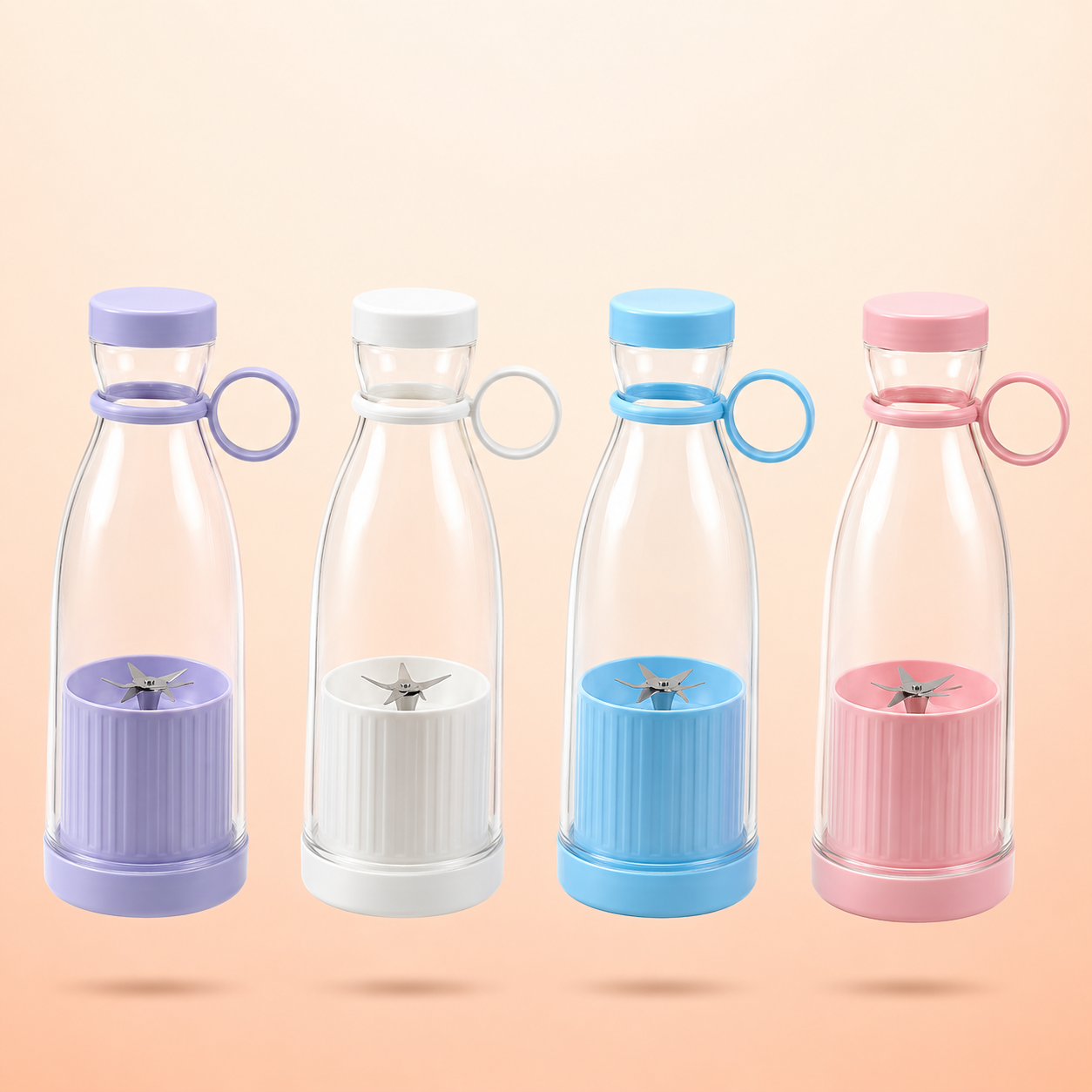
- A mini handheld fan (rechargeable). This is the one item I never skip. A good one with a 2000mAh battery runs for about 4 hours on low, which is enough for a long walk or a crowded market. It's not a full-day solution, but it's a lifesaver when you're stuck in a line or on a packed bus with no AC.
- A small power bank (10,000mAh or less). Your phone drains faster in heat, especially if you're using maps and taking photos. A 10,000mAh bank charges a phone twice and fits in a pocket.
- A quick-dry towel (microfiber). Hotel towels are fine, but a microfiber towel is useful for beach days, gym sessions, or unexpected rain. It packs flat and dries in an hour.
What to Leave at Home
This list is as much about what NOT to bring as what to bring. Here's what I've learned to leave behind:
- Jeans. They're heavy, hot, and take two days to dry if they get wet. No.
- Heavy sneakers or boots. You'll want breathable shoes, not insulated ones.
- A big jacket. Unless you're going to freezing indoor spaces, a thin layer is enough.
- Hairdryer or styling tools. Heat and humidity will undo any styling in ten minutes. Embrace the messy bun.
- More than three pairs of shoes. You'll wear one, maybe two. Anything else is dead weight.
- Cotton anything. Seriously. If it's cotton, leave it.
The Layering Trick That Changes Everything
You might think layering is for cold weather, but it works in heat too. The trick is to wear a thin, long-sleeve sun shirt over a tank top or t-shirt. The outer layer blocks the sun, and the air gap between the two layers creates a cooling effect. It sounds counterintuitive, but it's the same principle as a desert robe. I've worn this combo in 100°F heat and felt cooler than I did in a t-shirt.
Another trick: wet your sun shirt or a bandana and wear it around your neck. The evaporation cools your blood as it passes through your neck. It's an old trick that works embarrassingly well.
How to Handle the Heat During the Day
Your packing list only helps if you use it right. Here are the strategies that make the biggest difference:
- Plan your day around the heat. Get out early, take a break from 1 PM to 4 PM, and go out again in the evening. This is how locals survive.
- Seek shade, not just AC. Shade can be 10-15°F cooler than direct sun. A tree is better than a tiny umbrella.
- Eat light. Heavy meals make you sluggish and raise your body temperature. Fresh fruit, salads, and cold soups are your friends.
- Take cold showers. It sounds obvious, but a quick cold rinse before bed lowers your core temperature and helps you sleep.
- Use your fan strategically. Point it at your face and neck, not your chest. That's where your skin is thinnest, so the cooling effect is strongest.
The Real-World Test: What Actually Happens
I tested this exact list on a week in Bangkok in April, which is the hottest month. Average high was 97°F with 70% humidity. Here's what happened:
- The synthetic shirts dried overnight, so I never ran out of clothes. The merino one lasted two days without smelling.
- The long pants were a revelation. I wore them for a temple visit and stayed comfortable while everyone in shorts was wilting.
- The mini fan saved me twice: once in a 20-minute line at a temple, and once on a packed bus where the AC was broken. It's not a full solution, but those 20 minutes were tolerable.
- The electrolyte powder prevented the afternoon headache I usually get. I mixed one packet into my water bottle and noticed the difference by day three.
- The only thing I wished I'd brought was a second pair of sandals. The straps rubbed after a long day, and I had to give my feet a rest.
So the list works. But it's not magic. You'll still sweat, you'll still feel hot sometimes, and you'll still get tired. The goal isn't to avoid discomfort entirely. It's to minimize it so you can enjoy your trip instead of just enduring it.
The Bottom Line
Packing for hot weather isn't about buying a bunch of expensive gear. It's about choosing the right materials and the right items, and leaving the rest at home. Start with the list above, adjust for your destination, and remember: less is more. You'll be happier with a 20-pound bag than a 40-pound one.
One last thing: test your gear before you go. Wear your shoes for a week. Wash your shirts and see how long they take to dry. Charge your fan and time how long it lasts. The worst time to discover a problem is on day one of your trip.
Now go pack. And leave the jeans at home.