The hardest person on your list is the one who buys themselves whatever they want the week they want it. If you're hunting for gifts for people who have everything, the answer isn't a bigger, fancier version of something they already own. It's a small, specific tool that fixes an annoyance they've quietly accepted for years, ideally one they didn't know existed. The nine gifts below are all under roughly $60, all fit in a drawer, and all have a real job. Each one comes with the catch, because a gift that only sounds good is worse than no gift.
A quick rule before the list: skip anything that needs an app to work, needs charging before first use, or performs a single trick. Novelty gifts get a polite smile and a spot in a closet. Useful gifts get used in front of you, which is the whole point.
What actually makes a good gift for someone who has everything?
Advertisement
It should replace a mild daily friction, not add a new object to manage. The best candidates share three traits: they're cheap enough that the person would never research them, small enough to live on a desk or in a bag, and they work the first time without setup. Think about the 20 seconds of annoyance they hit every day, like untangling a cable, squinting at a dim hotel room, or holding a phone at arm's length. A gift that removes that friction gets used for years. A gift that creates a new routine gets used twice.
There's also a social test. A good gift in this category is something the recipient would mention to a friend, not something they'd have to pretend to like. That usually means it looks plain and works well, rather than the reverse.
The shortlist at a glance
| Gift | Rough price | What it fixes | Main catch |
|---|---|---|---|
| Anker 622 MagGo battery | $40 to $50 | Dead phone by evening | Only snaps to MagSafe iPhones |
| USB-C cable with wattage display | $15 to $25 | Never knowing if a cable is fast | Tiny screen, easy to over-trust |
| Lasko desktop fan (or similar) | $25 to $40 | Stuffy desk or bedroom | Noise on high settings |
| Tile or AirTag tracker | $25 to $35 | Misplaced keys, bag, or wallet | One ecosystem only |
| Screen cleaning kit | $10 to $20 | Smudged laptop and phone | You'll use it more than they will |
| Smart plug (no hub) | $15 to $25 | Lights left on, kettle timing | Needs 2.4GHz Wi-Fi |
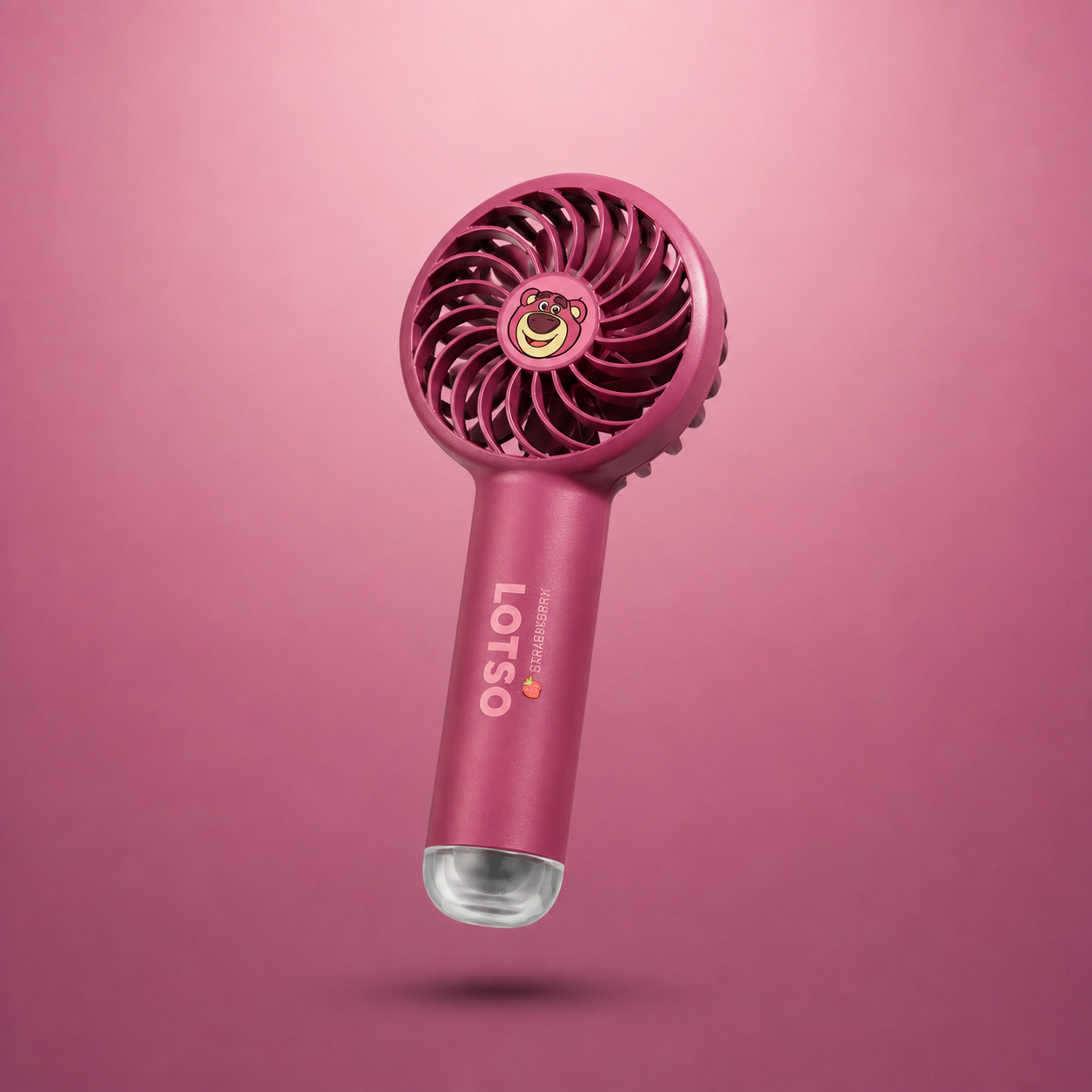
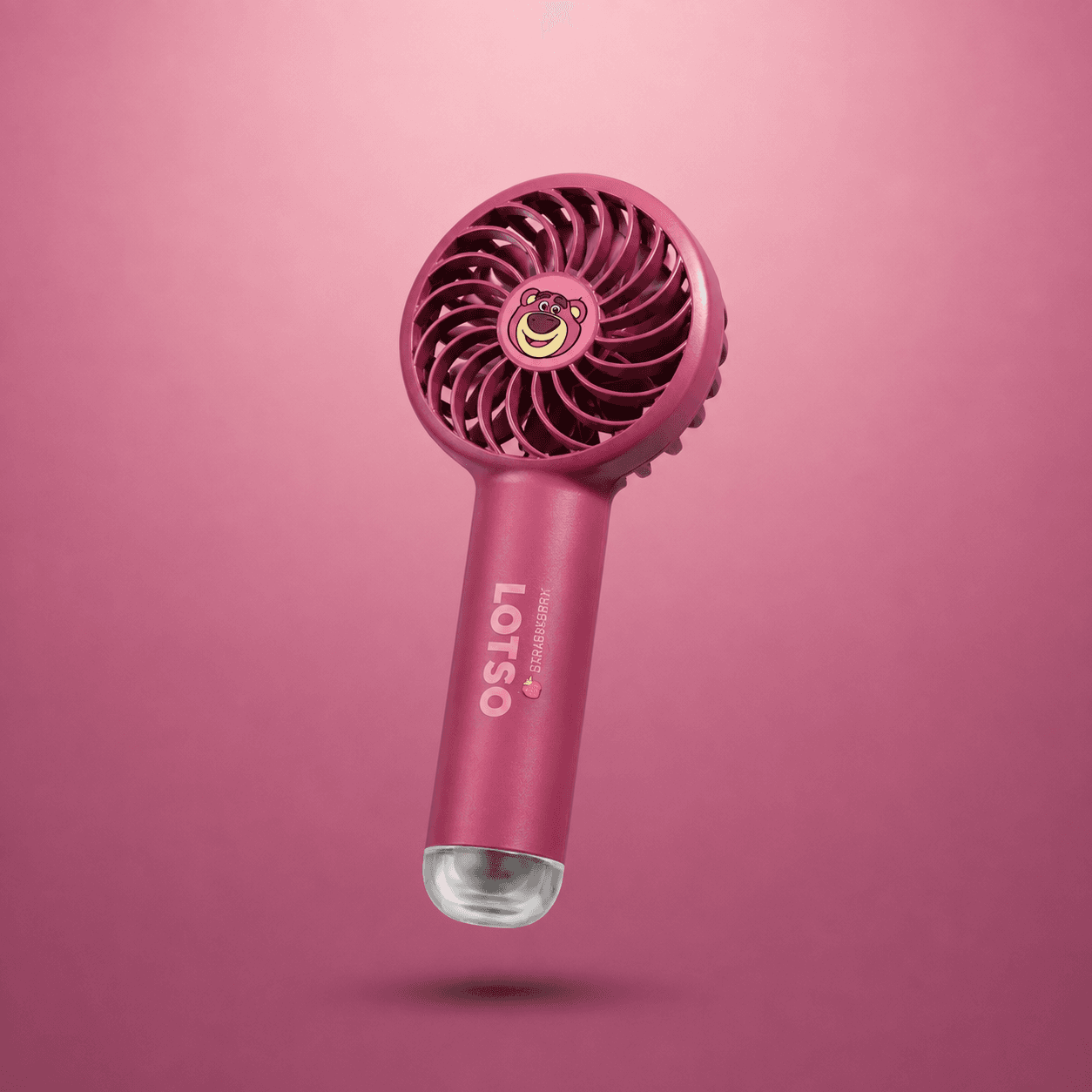
| Mini handheld fan (licensed) | $10 to $20 | Heat on commutes and at events | Small battery, short runtime |
| E-reader page-turn remote | $20 to $30 | Cold hands holding a Kindle | Only works with some models |
| Cable organizer tray | $15 to $30 | The drawer of tangled cords | Takes up desk space |
Prices move around, so treat these as ranges, not quotes.
Which small tech gifts get used every day?

These are the ones that earn their drawer space within a week.
A magnetic battery pack. A slim 5,000mAh MagSafe-style pack adds roughly a full phone charge and snaps on without a cable. It's the gift for the person whose phone dies at 6pm on a night out. The catch: it only works properly with newer iPhones, and it charges slowly compared to a cable. Android owners should get a standard 10,000mAh pack instead.
A USB-C cable that shows wattage. These have a tiny display in the connector showing how fast power is flowing. They cost $15 to $25 and end the guessing game about which cable in the drawer is the fast one. The catch is that the display is small and the readings are approximate, so don't treat it as a lab instrument.
A small desk fan. A 6 to 8 inch fan moves enough air to make a stuffy home office tolerable without the noise of a full-size fan. On low it's near-silent; on high you'll hear it on calls. If the recipient runs warm, this is the gift they'll thank you for in July.
A Bluetooth tracker. Put one on keys, one in a bag, one in a wallet. It saves 10 minutes of searching maybe once a month, which adds up. The catch is ecosystem lock-in: AirTags need an iPhone, Tile works with both but has a smaller finding network. Ask which phone they use before buying.
A screen cleaning kit. A microfiber cloth, a small spray bottle, and a brush cost $10 to $20 and make a laptop screen look new. It's a boring gift that gets used weekly. The catch is that it's also the gift most likely to be regifted, so pair it with something more personal.
What's a good tech gift under $25?
Plenty, if you aim at one specific annoyance.
- A smart plug that doesn't need a hub. $15 to $25. Useful for lamps, holiday lights, or a kettle. The catch: most need a 2.4GHz Wi-Fi network, and pairing can be fiddly on the first try.
- A cable organizer tray. $15 to $30. Holds chargers and cables in one place instead of a drawer knot. The catch: it takes up desk real estate, so only give it to someone with a desk.
- A mini handheld fan. $10 to $20. This is where a light novelty option fits: Disney licensed mini fans are a fun pick for a character fan, and they genuinely help on a hot commute or at an outdoor event. The catch is real, though. A fan this size runs a few hours on low and less on high, so it's for a commute or a queue, not a full day out. It's a stocking filler, not the main gift.
- A phone stand that folds flat. $10 to $20. Good for video calls and watching something at a desk. The catch: flimsy hinges on cheap models, so read the reviews.
Which gifts solve a problem they didn't know they had?
These are the sleeper hits, the ones that get a surprised "oh, this is actually good."
An e-reader page-turn remote. $20 to $30. It clips to a Kindle and lets you turn pages without moving your hands, which matters when you're reading in bed in winter. The catch: compatibility is narrow. Check the exact Kindle model before buying, because it won't work with every device.
A clip-on reading light with a warm setting. $15 to $25. Better than a phone flashlight and easier on a partner trying to sleep. The catch: cheap ones flicker at low brightness, so stick to brands with reviews that mention the warm mode specifically.
A compact surge protector with USB ports. $20 to $35. Turns one outlet into several, with fast charging built in. The catch: it's bulky, so it's best for a desk or a travel bag, not a wall behind furniture.
What should you avoid buying?
A few categories look like gifts and aren't.
- Anything that needs an account and a subscription. A smart doorbell or a cloud camera sounds generous until the recipient is paying a monthly fee.
- Novelty gadgets with one function. A Bluetooth-enabled mug warmer, a phone-controlled light cube, a robot that folds laundry badly. They get used once.
- Cheap earbuds. The $20 pair sounds fine for a week and then one side dies. If you're going to give audio, spend enough to get a known brand, or don't.
- Anything that implies a lifestyle change. A fitness tracker for someone who didn't ask for one reads as a hint, not a gift.
- Big-ticket items they'd research themselves. If they wanted a tablet, they already have the one they want.
How to package a small gift so it doesn't feel cheap
A $20 gift can land badly if it looks like an afterthought. Two fixes. First, pair it with a note that names the problem it solves: "for the cable drawer" or "for the 6pm phone death." Specificity signals you thought about them. Second, group two or three small items into one theme, like a desk-reset kit with a cable tray, a screen cloth, and a folding stand. The total is still modest, but the gift feels considered. Avoid gift boxes that cost more than the contents. Nobody remembers the box.
The practical takeaway
Buy one small thing that fixes a daily annoyance, check the compatibility before you pay, and tell them why you picked it. If you're stuck between two options, choose the one that works without an app or a subscription. That single rule will steer you right more often than any list, including this one.