You want to buy a gift for someone who loves Disney, and you have already noticed the problem: most Disney fan gift ideas online are the same twelve items. A mug. A blanket. A Funko Pop. If your recipient is a real Disney adult, they probably own all three already. The better approach is to split your search in two: collectibles that hold value or meaning, and practical items they will reach for weekly. Most bad Disney gifts fail because they are neither. They are themed objects with no job.
Here is how to tell the difference before you spend anything.
What separates a good Disney fan gift from a shelf ornament?
Advertisement
Ask one question about any candidate: what job does this do on a normal Tuesday? A pin does a job. It goes on a lanyard, gets traded at the parks, and joins a collection with a real secondary market. A snow globe does not do a job. It sits on a shelf until it needs dusting.
The gifts that land well almost always fall into one of four buckets:
- Wearable or displayable collectibles. Pins, enamel charms, limited art prints. These have communities around them, so the recipient can talk about them with other people.
- Practical items with a theme. A character-themed water bottle, a tote that actually holds groceries, a handheld fan for a hot park day. The theme is a bonus, not the whole point.
- Experience-adjacent gear. Things that make a park visit or a movie night better: a good backpack, a popcorn bucket they will refill, a loungefly-style bag with real stitching.
- Nostalgia pieces tied to a specific era. A print from the movie they watched as a kid beats a generic "Disney" anything.
Notice what is missing: anything that only says "Disney" without saying which Disney. Specificity is what makes a fan feel seen. "She loves The Little Mermaid" is a gift brief. "She loves Disney" is not.
How do you pick a collectible that won't lose its shine?
Collectibles are the highest-risk category because they are easy to get wrong and hard to return. Three rules keep you safe.
Buy into a line that is still active. Pins, for example, get released in waves, and a fan who collects them will know exactly which ones are current. If you buy a random pin from a defunct series, it may be worth something to a niche buyer but mean nothing to your recipient. Stick to what is being released now.
Prefer limited over mass-produced. A numbered print of 500 holds interest longer than a figurine that every gift shop carries. You do not need to chase rare items or pay resale markup. You just need something with a reason to exist beyond shelf filler.
Check whether they display or store. Some collectors keep everything boxed. Others rotate displays monthly. If you do not know which type your person is, ask a mutual friend or peek at their shelf. A collector with a crowded display does not need another large object. They need something small and interesting.
One more thing: authenticity matters more in this category than in almost any other. Counterfeit pins and prints are common online. If the price is far below what the official store charges, that is your answer.
Which practical Disney gifts actually get used?

This is where most gift guides get lazy, so let's be concrete. A practical Disney gift has to work as a plain object first. If you stripped the character art off it, would anyone still want it?
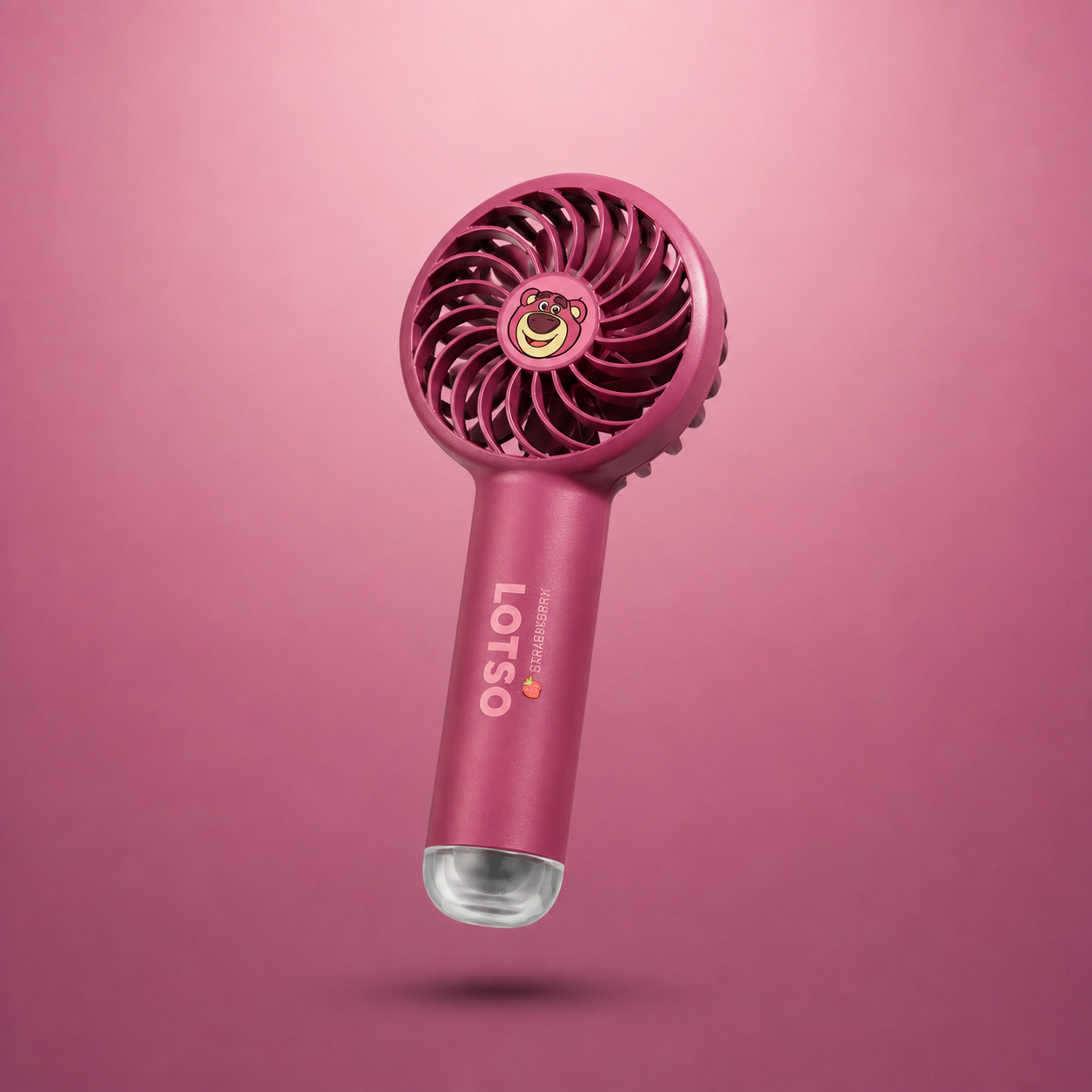
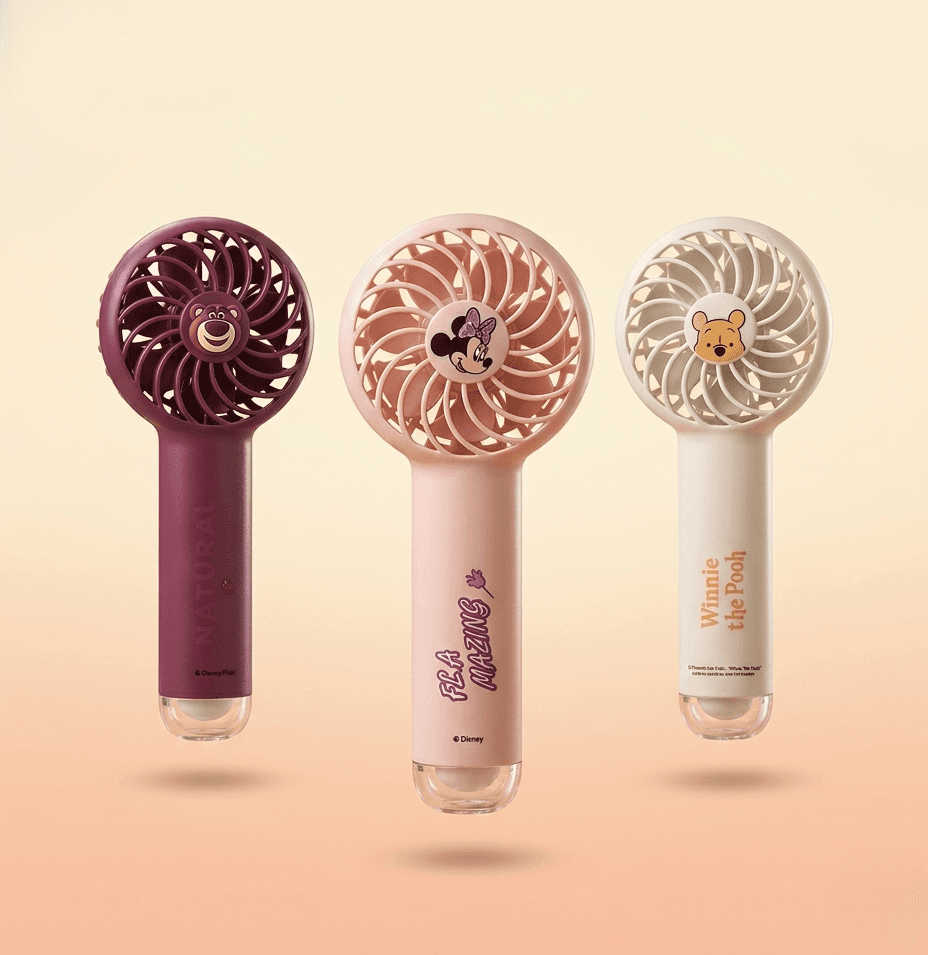
A handheld fan passes that test. On a hot day at a park, in a queue, or at an outdoor event, a small fan is genuinely useful, and a character-themed one adds a bit of fun without pretending to be more than it is. The Disney Mini Handheld Fans fit this category well because the theme is decoration on top of a function, not a replacement for one. That is the pattern to look for.
Other practical picks that survive the test:
- A water bottle with a wide mouth you can actually clean.
- A crossbody bag with a real zipper and adjustable strap.
- A hoodie in a color they wear, not just a color Disney sells.
- A phone case from a brand known for drop protection, with the art as a secondary feature.
What to avoid: novelty kitchen gadgets shaped like characters. They are hard to wash, hard to store, and end up in a donation box within a year.
Collectible vs practical: a quick comparison
| Factor | Collectible | Practical |
|---|---|---|
| Best for | Fans with a display or trading habit | Fans who use things daily |
| Risk of wrong pick | High, depends on their specific collection | Low, most people use bags and bottles |
| Price range | Wide, from a few dollars to hundreds | Usually moderate |
| Return difficulty | Often hard, especially limited items | Easy, standard retail returns |
| Long-term value | Can hold or grow, can also drop to zero | Depreciates like any useful object |
| Effort to choose well | High, you need to know their niche | Low, you need to know their habits |
If you are unsure which camp your recipient falls into, buy practical. A useful gift that misses the theme slightly still gets used. A collectible that misses gets quietly stored.
What should you avoid buying a Disney adult?
A few categories reliably disappoint, and it is worth naming them so you can skip the aisle entirely.
Generic "Disney" branding with no character or film. It reads as a gift for the idea of a Disney fan, not for your actual friend. Fans notice the difference immediately.
Anything that duplicates something they already own in multiples. Mugs are the classic offender. Most Disney adults have more mugs than cabinet space. Unless the mug is tied to a specific ride or film they love, skip it.
Cheap plush in large sizes. A giant plush is funny for ten seconds and then it is furniture. Small, well-made plush tied to a favorite character does better.
Items aimed at children. This sounds obvious, but a lot of "Disney gift" shelves are stocked for kids. An adult fan wants something that fits their life, not a toy sized for a seven-year-old.
Anything requiring a subscription to be useful. If the gift only works with an app or a paid service, you have bought them an obligation.
How much should you spend, and when should you buy?
There is no correct number, but there is a useful way to think about it. Match your budget to the category, not to the person's level of fandom. A fan who owns fifty pins does not need a fifty-dollar pin from you. A ten-dollar pin from a current release might land better than a hundred-dollar statue.
On timing, October is actually a good month to start. Holiday stock for collectibles moves early, and limited releases often sell out before December. If you are buying a practical item, you have more flexibility, but sizes and colors thin out too. Buying in the next few weeks gives you room to return something if it arrives wrong.
One practical note if you are shipping: collectibles are fragile and practical items are often bulky. Check return policies before you order, and keep the packaging until you know the gift landed.
A simple way to decide in five minutes
Write down three things your recipient actually does in a normal week. Not what they love. What they do. If they commute, a themed bag or bottle fits. If they go to parks or outdoor events, a handheld fan or a good hat fits. If they trade and display, a current-release pin or a small print fits.
Then pick the item that does a job and carries the theme as a bonus. That combination is what separates a gift they use from a gift they keep in a drawer. If you can only remember one rule, make it this: theme is the seasoning, not the meal.