
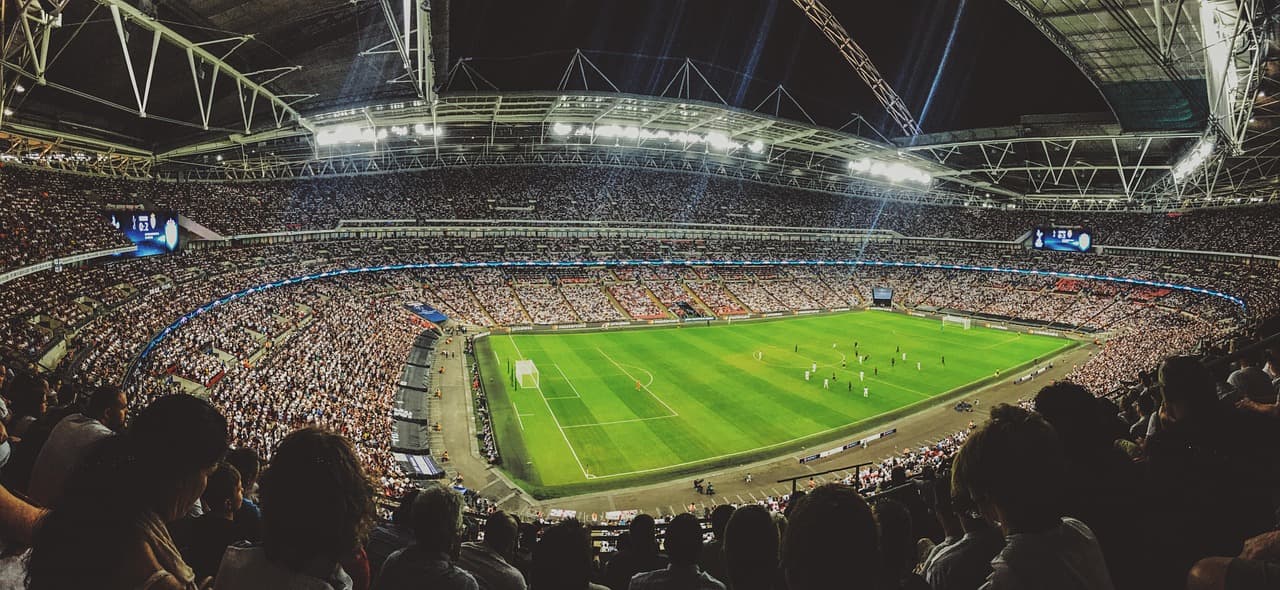
You've got the jersey, the flag, and the chants ready. But when the match goes to the 40th over and the sun is cooking you alive in the Mirpur stands, or the lights flicker at home right before a wicket, you realize what you actually forgot. This guide covers the real cricket match day essentials for Bangladeshi fans, tested through actual summers, load-shedding schedules, and nail-biting finishes. The short version: prioritize cooling, power backup, and hydration, and you'll survive any match, whether you're in the stadium or on your sofa.
What should you carry to the stadium?
Stadium days in Dhaka or Chattogram are a different beast. You're packed in, the heat radiates off the concrete, and you can't just step out for a breather. Here's what actually matters, in order of importance.
Advertisement
Cooling gear that isn't a gimmick
A mini handheld fan is the single most useful thing you can bring, and not just for the obvious reason. The air in the stands is still, and even a small breeze makes a difference. Look for one with at least a 2000mAh battery, which gives you around 4 hours on low, enough for one full T20 innings. On high, that drops to about 2 hours, so you'll need to ration it if the match goes deep. The downside: most handheld fans are noisy enough that you'll miss the umpire's calls if you hold it too close to your ear. Keep it pointed at your neck, not your face.
A cheaper alternative is a simple folding hand fan. Zero battery, zero noise, and you can use it to wave at the camera when you're on the big screen. But it doesn't help when your neck is dripping sweat, so most people end up buying a mini fan anyway.
Sun protection you'll actually use
A cap is non-negotiable. The sun moves, so a cap with a brim all around works better than a baseball cap if you're there for the afternoon session. Sunglasses help too, but polarized ones are worth the extra taka because they cut the glare off the white ball. And yes, sunscreen. Even if you think you don't burn, the back of your neck and your ears will be red by the end of the day. Use SPF 30 or higher, and reapply after the lunch break.
Hydration and snacks: the math
Stadium water prices are inflated. A 500ml bottle that costs 20 taka outside goes for 60 or more inside. Carry your own sealed bottle, but check the venue rules first. Some grounds allow only empty bottles that you fill at water stations. For snacks, skip the fried stuff that leaves oil on your fingers. You'll be shaking hands with strangers after every boundary. Dry biscuits, roasted chana, or a small pack of nuts are cleaner and don't melt in the heat.
The bag itself
A small crossbody bag or a waist pack beats a backpack. You'll be standing and sitting repeatedly, and a backpack keeps hitting the person behind you. Also, security checks are faster with fewer pockets. Keep your phone, wallet, and fan in the main compartment, and your ticket in a zippered pocket where you can grab it quickly.
How long does a 2000mAh fan actually last?
This is the question everyone asks before buying a mini handheld fan, and the answer depends on your settings and the fan's efficiency. A typical 2000mAh fan on low speed uses about 0.5A, so you get roughly 4 hours. On medium, that drops to 3 hours. On high, you're looking at 2 hours or less. But here's the catch: the stated capacity is often optimistic. A cheap fan with a 2000mAh cell might only deliver 80% of that after a few months of use. So expect 3 hours on low in real-world conditions.
For a full day at the stadium, that's not enough. You'll need to either carry a power bank (another 2000mAh will double your fan time) or buy a fan with a bigger battery, like 4000mAh, which gives you closer to 6-7 hours on low. The tradeoff is weight. A 4000mAh fan is noticeably heavier in your pocket or bag, and you'll feel it after a few hours. If you're only going for a T20 evening match, 2000mAh is fine. For a Test match day, you need the bigger one or a power bank.
Another thing: most fans charge via micro-USB or USB-C. Make sure you bring the cable, because the power bank you're using to recharge the fan will also be your phone's lifeline. And if you're at the stadium, there are rarely charging points, so plan ahead.
What about home viewing during load shedding?
Home viewing has its own set of problems, and in Bangladesh, the biggest one is load shedding. Nothing kills the mood like the TV going black in the 18th over. Here's how to prepare.
Power backup for the TV and router
A UPS (uninterruptible power supply) for your TV and router is the minimum. A standard 600VA UPS can keep a 32-inch LED TV and a router running for about 30-45 minutes, depending on the TV's wattage. That's enough for most load-shedding blocks, which usually last 30 minutes to an hour. But if you have a bigger TV or a sound system, you'll need a higher-capacity UPS or an inverter. An inverter with a 100Ah battery can run a TV for 3-4 hours, but that's a bigger investment.
If you're watching on a laptop, you're in better shape. A fully charged laptop can last 4-6 hours, and you can use your phone as a hotspot if the router goes down. The catch: mobile data during load shedding can be slow because everyone is doing the same thing. So download the match commentary or have a backup plan for live scores on SMS.
The fan and lighting combo
When the power goes out, the ceiling fan stops, and the room gets stuffy within minutes. A rechargeable emergency fan or a table fan with a built-in battery is a lifesaver. These typically run 4-6 hours on a full charge, enough for the usual load-shedding window. But they're not as powerful as a ceiling fan, so you'll feel the difference. Also, a rechargeable LED bulb or lantern is essential. You don't want to watch the match on your phone in the dark, and you'll need light for snacks and drinks.
The snack and drink setup
Home viewing means you can have proper food, but don't overdo it. You'll be sitting for 3-4 hours, and heavy food makes you sleepy. Light snacks like popcorn, muri, or fruit are better. For drinks, keep a thermos of cold water or a jug of lemonade. And if you're ordering in, call before the match starts. Delivery times double during big matches.
What are the best gadgets for a cricket marathon?
If you're planning to watch a full Test match or a double-header, you need gear that lasts. Here's a quick comparison of the key items.
| Item | Battery Life | Best For | Downside |
|---|---|---|---|
| Mini handheld fan (2000mAh) | 2-4 hours | Stadium, short bursts | Not enough for a full day |
| Rechargeable table fan (4000mAh) | 6-8 hours | Home during load shedding | Bulky, takes space |
| Power bank (10000mAh) | Charges phone 2-3 times | Anywhere | Adds weight to your bag |
| Rechargeable LED bulb | 3-5 hours | Home lighting | Needs charging in advance |
| Portable radio (with batteries) | 20-30 hours | Commentary during long power cuts | No visuals, but reliable |
A portable radio is an underrated pick. When the power goes out and your phone battery is dying, a simple FM radio with fresh batteries can keep you updated on the score. It's cheap, lasts forever, and doesn't need a signal tower that's overloaded. The downside: you miss the visual drama, but sometimes the radio commentary is more exciting anyway.
How do you handle the heat and humidity in August?
August in Bangladesh is peak humidity. Even at 6 PM, the air feels thick. Your body loses more fluids through sweat, and you might not notice until you feel dizzy. Here are the practical hacks.
First, freeze a water bottle the night before. Carry it in a small cooler bag or wrap it in a cloth. As it melts, you get cold water throughout the match. This works for both stadium and home. Second, wear light-colored, loose cotton clothes. Dark colors absorb heat, and synthetic fabrics trap sweat. Third, take a small towel or a bandana. Soak it in water and wrap it around your neck. It cools you down faster than any fan.
At home, close the curtains during the afternoon to keep the room cooler. If you have a cross-breeze, open windows on opposite sides. And if you're using a mini fan, place it on a table or hang it from a hook to get airflow across your whole body, not just your face. A fan pointed at your chest works better than one at your face because it cools a larger surface area.
Finally, know your limits. If you feel nauseous or get a headache, step out of the sun or take a break from the screen. The match will still be there, but your health won't.
What's the one thing you shouldn't forget?
Your phone charger. It sounds obvious, but in the excitement, people forget that watching the match drains your battery fast, especially if you're streaming or checking live scores. Carry a power bank with at least 10000mAh. It'll charge your phone twice, and you can also use it to recharge your mini fan. The downside: a 10000mAh power bank weighs around 200 grams, so it's not featherlight. But it's the difference between being reachable and being stranded.
And if you're at the stadium, keep your phone in a zipped pocket. Pickpockets love big crowds, and the last thing you want is to lose your phone during a match.
Practical takeaway
Make a checklist the night before. For the stadium: mini handheld fan, power bank, cap, sunglasses, sunscreen, sealed water bottle, light snacks, and a crossbody bag. For home: UPS or inverter for the TV, rechargeable fan, LED bulb, power bank, and a radio for backup. Test everything the day before. Charge the fan, the power bank, and the bulb. Check that the UPS battery holds. Then relax and enjoy the match. The gear is there to serve you, not the other way around.