
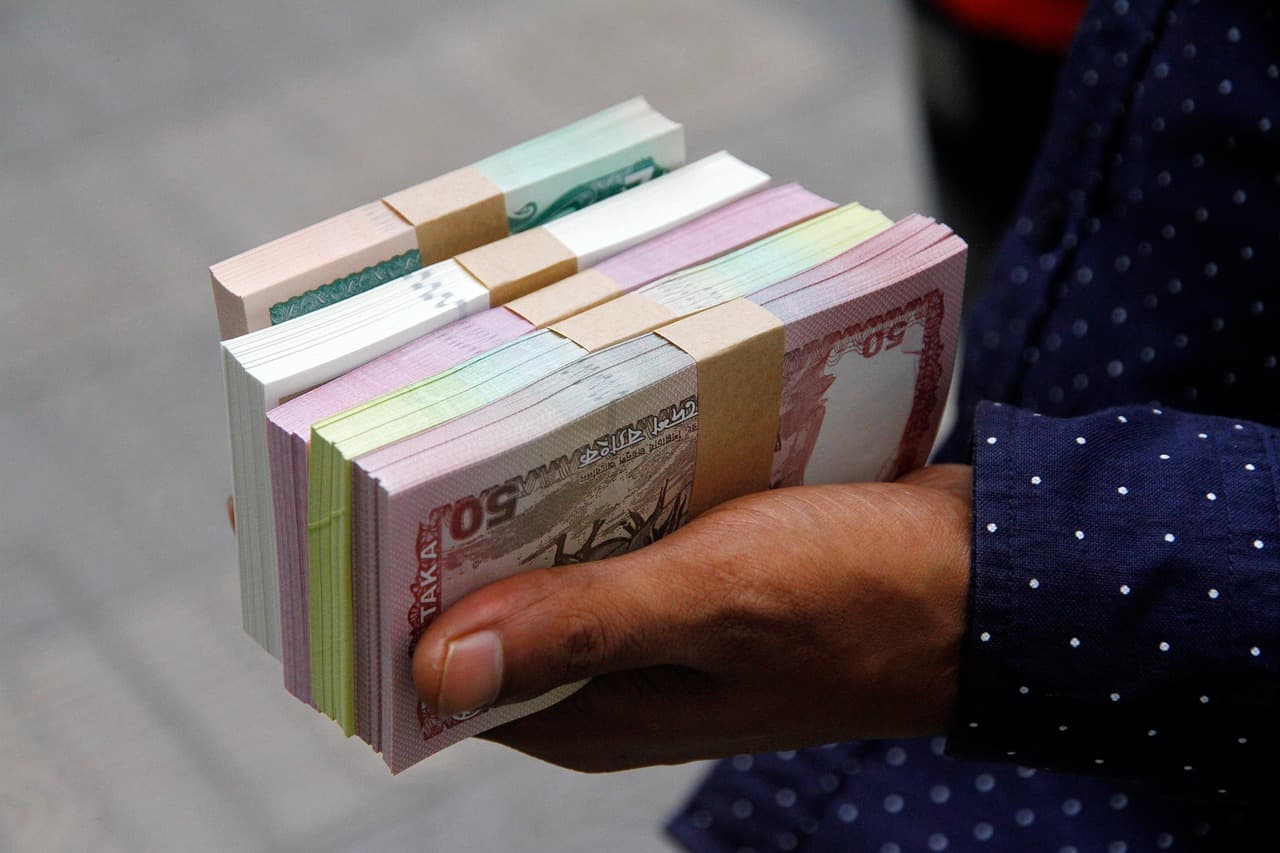
You've probably done it: ordered something online, picked cash on delivery, and felt a little smug about it. But in cash on delivery Bangladesh, that smugness can cost you. No advance payment, no risk, right? Not exactly. In Bangladesh, the cash on delivery system has its own traps that can leave you out of money and without a product. Let's look at what actually happens when you choose COD versus paying upfront.
The Real Risk of Cash on Delivery in Bangladesh
Most people assume COD means zero risk. But here's the catch: when the delivery man arrives, you hand over the cash before you open the box. If the product is wrong, damaged, or a brick, you've already paid. The courier doesn't care about your dispute; they just deliver and collect.
Advertisement
A friend of mine ordered a "brand new" smartphone last year, paid ৳18,500 at the door, and opened the box to find a used phone with a cracked screen. The seller refused to take it back, and the courier said it wasn't their problem. He spent two weeks calling the seller's number, which eventually went dead.
This isn't rare. In fact, many fraudulent sellers specifically offer COD because it makes you drop your guard. They know you'll think, "I'm not paying in advance, so it's safe." But the money leaves your hand just the same, and the product might not be what you expected.
Advance Payment: The Fear Is Real, But So Are the Protections

Paying upfront feels scarier because you're trusting a stranger with your money before you see anything. And yes, there are scams. But here's the thing: when you pay by bKash or Nagad, you have a digital trail. That transaction record is evidence. If the seller disappears, you can file a complaint with bKash, and they can freeze the merchant's wallet.
I once paid ৳2,400 for a wireless keyboard via bKash, and the seller never shipped it. I filed a complaint with bKash's fraud department, and within a week, the money was back in my account. The merchant's wallet was suspended. That doesn't happen with cash.
With cash, there's no trail. The seller can deny ever receiving your money, and the delivery man might not even remember your face. Good luck proving anything.
What Actually Happens When Something Goes Wrong
Let's break down the two scenarios in a table so you can see the difference clearly:
| Issue | Cash on Delivery | Advance Payment (bKash/Nagad) |
|---|---|---|
| Wrong product delivered | You've already paid cash, seller may ignore you | You can dispute via payment provider, often get refund |
| Product never arrives | No proof of payment, no recourse | Digital record, can file complaint |
| Seller disappears | You're stuck, no way to trace | Payment provider can freeze merchant account |
| Delivery man steals package | Rare, but no one to blame | Same, but at least you can track the transaction |
Notice the pattern: cash gives you zero leverage. Advance payment gives you a paper trail, even if it's digital.
The Hidden Costs of COD You Didn't Consider
There's another angle most people miss: COD often costs you more. Many online shops add a delivery charge for COD, sometimes ৳50 to ৳100 extra, because they have to handle cash and bear the risk of returns. That's money you could have saved by paying in advance.
Also, think about the hassle. With COD, you have to be home when the delivery arrives, and you need to have the exact change. If you're not home, the courier might charge you for a second attempt. With advance payment, the product just arrives, and you can even have it delivered to your office or a relative's place.
How Scammers Exploit Both Methods in Bangladesh
Let's be honest: scammers adapt. They know the psychology of Bangladeshi buyers.
For COD scams, they rely on the "just hand over the cash" reflex. They send a product that looks right from the outside but is worthless inside. Or they send a completely different item, hoping you won't bother returning it because the return shipping costs more than the product.
For advance payment scams, they create fake online shops with low prices, take bKash payments, then vanish. But these are easier to spot if you check the shop's reputation, look for reviews, and verify their phone number.
Here's a quick checklist to protect yourself regardless of payment method:
- Always check the seller's Facebook page age and engagement. A page created two months ago with no reviews is a red flag.
- Search for the seller's name plus "scam" or "fraud" in Bengali. If others have been cheated, it'll show up.
- For high-value items (above ৳5,000), consider using a trusted marketplace like Daraz or a known brand's official site, even if you pay upfront.
- If you do use COD, ask the delivery man to wait while you open the box. It's your right, and most will agree if you're polite.
- For advance payments, always use bKash or Nagad with a clear reference, and save the transaction ID.
Real Examples from the Bangladeshi Market
I've seen both sides. A colleague bought a blender for ৳1,200 with COD. The blender worked for three days, then died. The seller said, "You already paid, so it's your problem." She couldn't return it because the courier wouldn't accept a return without the seller's approval.
Another friend paid ৳3,000 in advance for a set of kitchen containers from an Instagram shop. The products arrived, but one was cracked. She messaged the shop, and they sent a replacement within a week because they wanted to protect their reputation. The advance payment didn't hurt her; it actually gave her a record to reference.
Of course, there are also horror stories of advance payments gone wrong. I'm not saying it's always safe. But the difference is that with advance payment, you have a chance to fight back. With cash, you're just hoping the seller is honest.
So Which One Should You Choose?
Here's my honest take: for small purchases (under ৳1,000), either method is fine. The risk is low, and you can afford to lose it. But for anything above that, I'd lean toward advance payment IF the seller has a solid reputation. If the seller is unknown or sketchy, then COD might be the safer bet, but only if you inspect the package before paying.
The real enemy isn't the payment method; it's the seller. A good seller will deliver what you ordered whether you pay in advance or at the door. A scammer will find a way to cheat you either way.
So the next time you're about to check out, don't just automatically pick COD because it feels safe. Ask yourself: who is this seller? Do they have a track record? What's the payment method's recourse if something goes wrong? That's the question that actually matters.
The Bottom Line
Cash on delivery in Bangladesh gives you a false sense of security. It protects you from one type of scam (seller taking your money and never shipping) but leaves you exposed to another (seller shipping junk and keeping your cash). Advance payment shifts the risk, but it also gives you tools to fight back.
My advice: for anything you really care about, use a trusted seller and pay via a traceable method. For random cheap stuff, COD is fine. But never pay cash at the door without checking the product first. That one habit will save you more money than any payment method.
Now go ahead and order that thing you've been eyeing. Just make sure you know what you're getting into.