The drawer is the tell. Everyone who has owned gadgets for a few years has one: three power banks that hold a half charge, two pairs of earbuds with one working side, a fitness band with a scratched screen and a charging cable nobody can identify. You did not plan to collect them. You bought each one because it was cheap, and now the total spent on the drawer is more than a single good version of any of those things would have cost. That is the whole case for buy less buy better in one sentence: cheap small gadgets rarely fail all at once, they fail one by one, and you pay for the replacement before you have stopped paying for the original.
The logic is not about frugality or minimalism as a personality. It is about arithmetic. A $12 pair of earbuds that lasts eight months costs you $18 a year to keep replacing. A $60 pair that lasts four years costs $15 a year and sounds better the entire time. The expensive one wins on money, and it is not close.
Why do cheap gadgets cost more than expensive ones?
Advertisement
Because the price you pay at checkout is only the first payment. The real cost is the price divided by the number of months it works, plus the time you spend replacing it.
Take power banks, which are the clearest example. A budget 10,000mAh unit that claims fast charging but delivers maybe 60 percent of its rated capacity when new, and closer to 40 percent after a year, is not a smaller version of a good one. It is a different product category wearing the same label. The cells are cheaper, the charge controller is cheaper, and the plastic housing flexes enough that the USB port eventually stops gripping the cable.
Here is the comparison that matters, using rough price bands rather than exact prices since these shift constantly:
| Cheap tier | Mid tier | |
|---|---|---|
| Typical cost | Under $15 | $40 to $80 |
| Realistic lifespan | 6 to 14 months | 3 to 5 years |
| Capacity when new | Often 50 to 70% of claimed | Close to claimed |
| Capacity after a year | Noticeably degraded | Mostly stable |
| Ports and connectors | Loose within months | Hold firm |
| Cost per year of use | Higher | Lower |
The pattern repeats across almost every small gadget category. Cables, phone stands, Bluetooth speakers, desk lamps, and yes, fans. The failure mode is nearly always mechanical or battery-related, not electronic. Cheap hinges snap. Cheap batteries swell or stop holding charge. Cheap switches develop a dead spot you have to wiggle around.
What actually breaks first on small gadgets?
Not the chip. Almost never the chip. In small consumer electronics the chip is the cheapest reliable part in the device, because semiconductors are made at enormous scale and the failure rate is tiny.
What breaks, in rough order of frequency:
- The battery. Lithium cells lose capacity with every cycle, and cheap cells lose it faster because they are often older stock or lower grade. A gadget with a sealed battery has a built-in expiry date.
- The connector. Micro-USB and even USB-C ports on cheap devices are soldered with less reinforcement. Plug and unplug daily and the solder joint cracks in a year or two.
- The hinge or clip. Anything that folds, clips, or rotates will fail at the joint. This is why cheap earbud cases stop closing flush.
- The switch or button. Rubber dome buttons under a soft membrane wear through. You end up pressing harder, which accelerates the wear.
- The coating. Soft-touch plastic turns sticky. Painted metal flakes at the corners. This does not stop the device working but it makes you stop wanting to use it, which is functionally the same outcome.
Notice that none of these are exotic. They are all things a manufacturer can fix for a few dollars more per unit, which is exactly why the mid tier exists and why it lasts.
How do you tell a good small gadget from a bad one before buying?

You cannot inspect the internals online, but you can read the spec sheet for the things that predict longevity. Four signals do most of the work.
Battery capacity stated in mAh, with a runtime figure attached. If a listing says "long battery life" and nothing else, that is a decision to hide the number. A fan rated at 2000mAh that runs about four hours on low is being honest. Four hours covers one load-shedding block or one commute, not a full workday, and the manufacturer who tells you that is more likely to have built the rest of it properly too.
Replaceable or standard parts. A device that charges over USB-C will outlive one with a proprietary barrel connector, because you will still own the cable in three years. A device with a standard battery size beats one with a glued-in cell.
Weight and feel described in the reviews. Heft is not proof of quality, but a 90-gram fan and a 200-gram fan of the same size are built differently, and the heavier one usually has a real bearing instead of a plastic bushing.
A repair path. Does the brand sell spare parts, or at least answer messages? A $50 gadget with no support is a $50 disposable.
One more test that costs nothing: search the product name plus the word "after" and read what people say at the one-year mark. Launch reviews are useless. Year-one reviews are the only ones that tell you anything.
Where does the buy less buy better rule not apply?
This is where most versions of this argument oversell themselves. There are real cases where cheap is correct, and pretending otherwise makes the whole idea easier to dismiss.
- Things you will lose. If you are buying a fan or earbuds specifically for a trip where they might get left in a hotel room, buy the cheap one. Paying $70 for something with a 20 percent chance of disappearing is bad math.
- Things you are testing. If you do not know whether you will actually use a fitness band, buy a cheap one first. Learn the habit, then buy the good version. Buying the $200 version to discover you hate wearing a watch is the expensive mistake.
- Things that improve fast. Categories where the tech genuinely changes every 18 months are bad candidates for a long-term purchase. Buying a five-year device in a two-year category just means you own obsolete hardware for three years.
- Things you need today. If your only fan died in the middle of a heatwave and the good one ships in two weeks, buy the cheap one now and the good one later. Do not romanticize suffering.
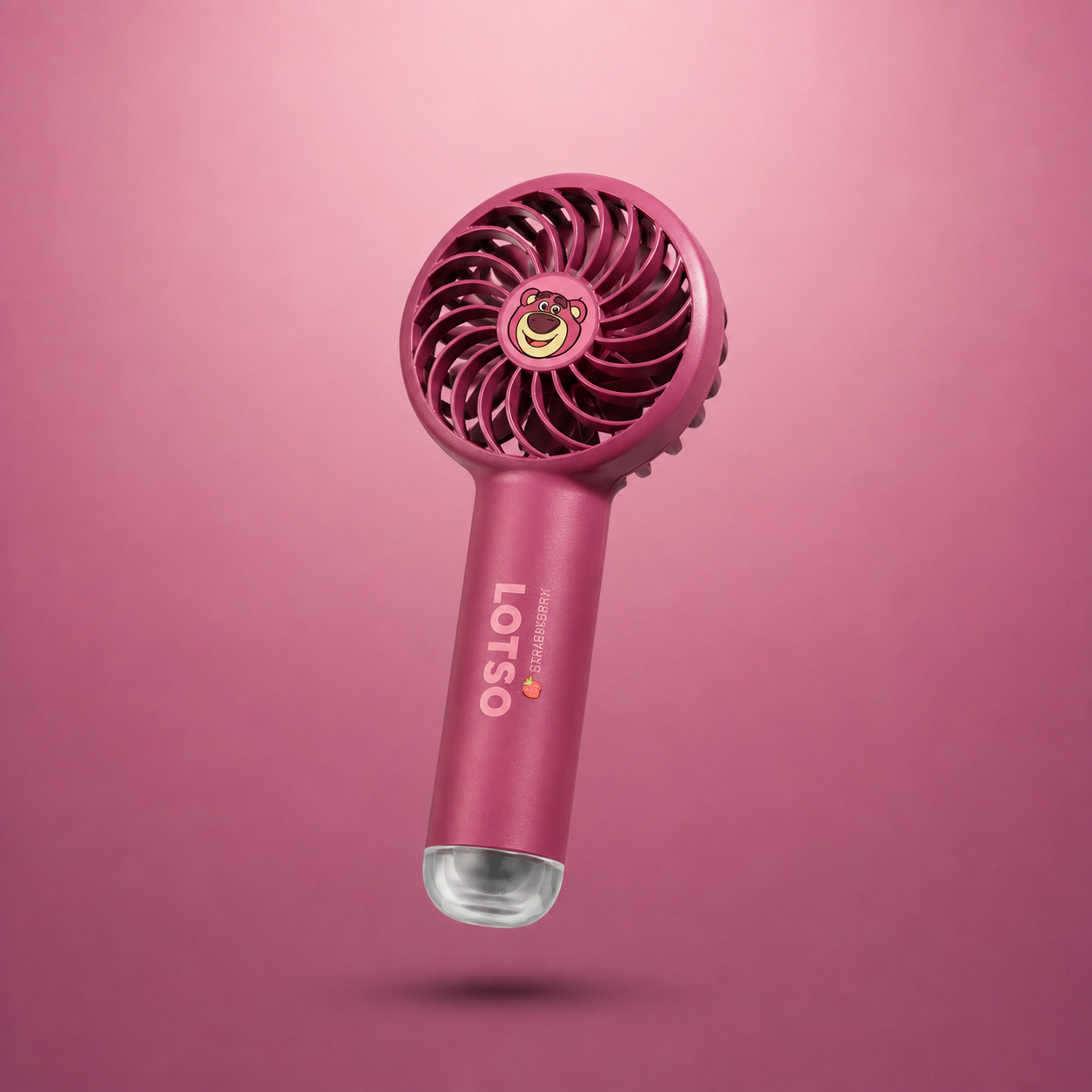
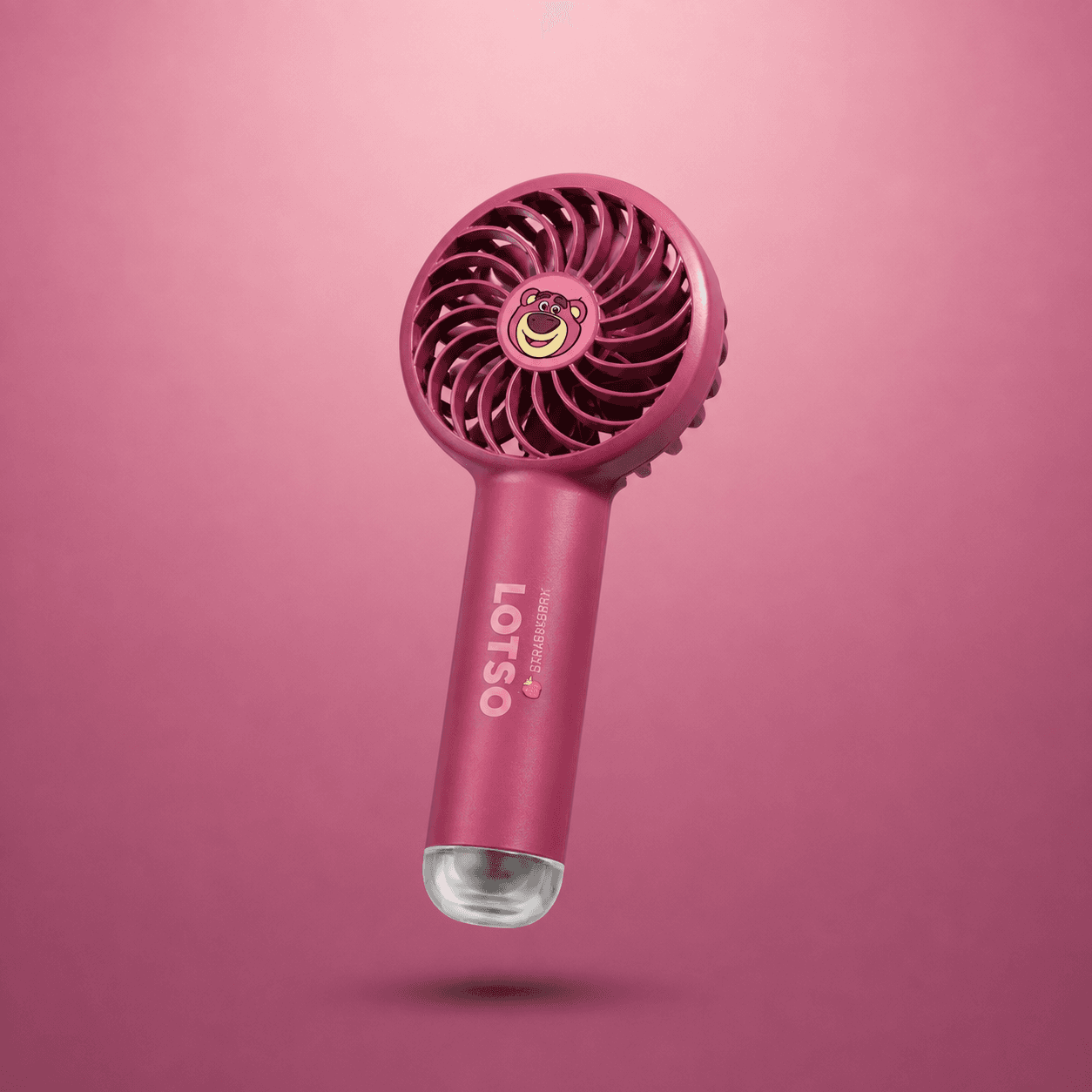
A mini handheld fan is a good example of a category where the mid tier genuinely pays off, because the failure point is the battery and the switch, both of which are cheap to upgrade and expensive to keep replacing. A fan with a real 2000mAh cell and a proper sliding switch will last you several summers. The $4 version will last one, and you will buy it again next April.
The one-in-one-out rule that actually works
Rules about decluttering fail because they ask you to throw things away, which feels like loss. A better rule is about intake.
Before buying any small gadget, name the specific thing it replaces. Not the category, the object. "This replaces the power bank in my bag that only charges my phone to 40 percent." If you cannot name the object, you are not replacing anything. You are adding.
Then apply the price-per-year test. Divide the price by the number of years you honestly expect it to last, and compare that number to the cheap alternative's price divided by the months it will last. The good option usually wins, and when it does not, you have a real reason to buy cheap instead of a vague feeling.
Finally, keep the box for the first month. Not for resale. For returns. Most gadgets that fail early fail in the first few weeks, and the ones that survive that window tend to survive for years.
What to do this week
Open the drawer. Count the dead gadgets and add up roughly what they cost. That number is your budget for the next single good thing you buy, and it is usually bigger than you expect.
Then pick one category where you have replaced the same item twice or more. That is your upgrade. Buy the mid tier, use it daily, and see whether it is still working in two years. If it is, the drawer stops growing, and you have tested the whole argument on yourself for the price of one purchase.